

Puntos de Interés

Municipality
Martialay
Martialay is a small village in the district of Frentes, belonging to the municipality of Alconaba in the province of Soria. The village is part of the Mancomunidad de los 150 Pueblos de la Tierra de Soria, an Association of Villages of Soria. The other two villages in this municipality are Ontalvilla de Valcorba to the south and Cobo de Hogueras to the north of the old railway line.
In the Middle Ages, Martialay formed part of the Sexmo de Lubia, an ancient medieval administrative division that was equivalent to one-sixth of a territory, in this case that which comprised part of the rural area dependent on the Universidad de la Tierra de Soria.
For some years, the town enjoyed a railway siding for the Santander-Mediterranean, or Calatayud-Cidad Dosante, railway. The wider project, which was to link the seaports of Santander and Valencia, was never completed. In January 1985, the line was closed for passenger transport, although it remained open for freight traffic for some time.
This small locality, with barely more than 40 inhabitants, bases its economy on agriculture, and we can see this as fields of cereal crops alternate with some oak and elm groves. In the Campo de Gómara Lagoon Complex, encompassing the Herrada and Guarrero lagoons, visitors can spot purple herons, red-crested pochards and the occasional marsh harrier.
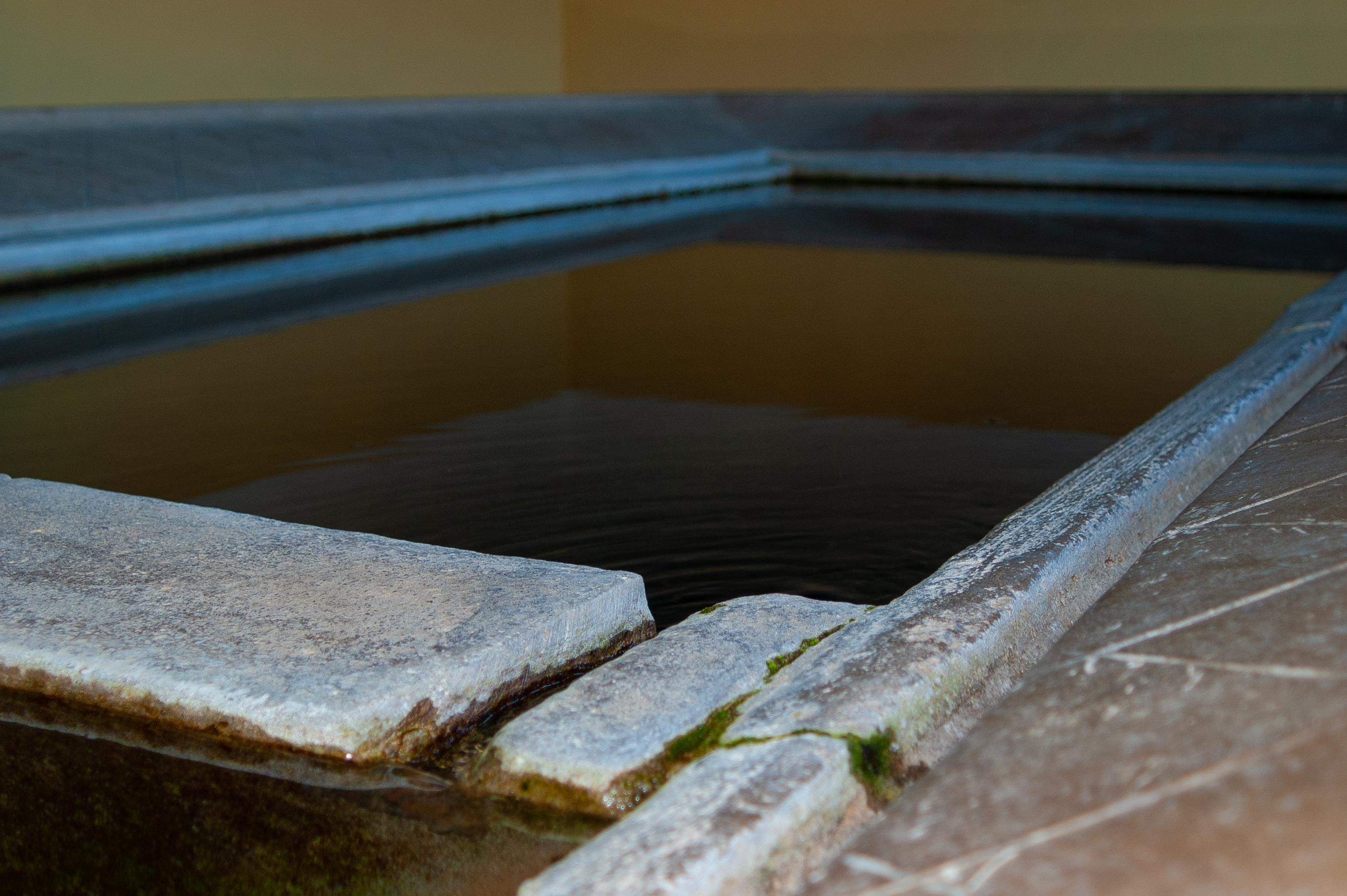
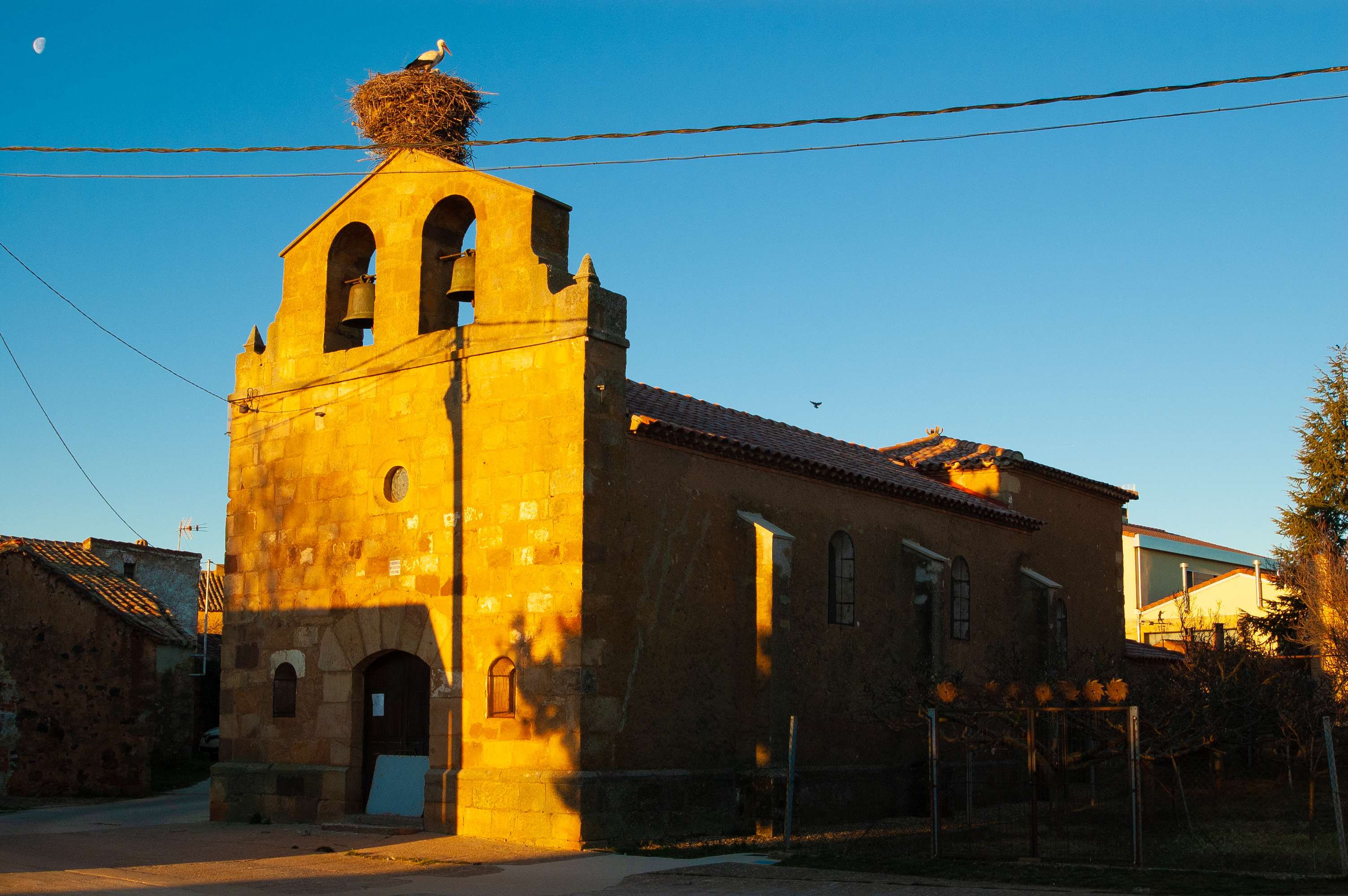
The village itself is home to the Parish Church of San Justo y Pastor, a small church with a single rectangular nave and a remarkable façade with a double opening and two bells. It is worth visiting the old washing place, built in 1954 when running water did not reach the houses to allow the women of the village to wash their dirty clothes. It was a space for social gatherings, since while they washed, they took the opportunity to discuss the latest local news. They would use soap that they made themselves from the fat and oil left over from the slaughter, to which they added caustic soda. The facilities were refurbished in 2006.
Locals live in houses scattered all over the plain and gather to celebrate their patron saint festivities at the end of September and the beginning of October.