
Puntos de Interés

Culture
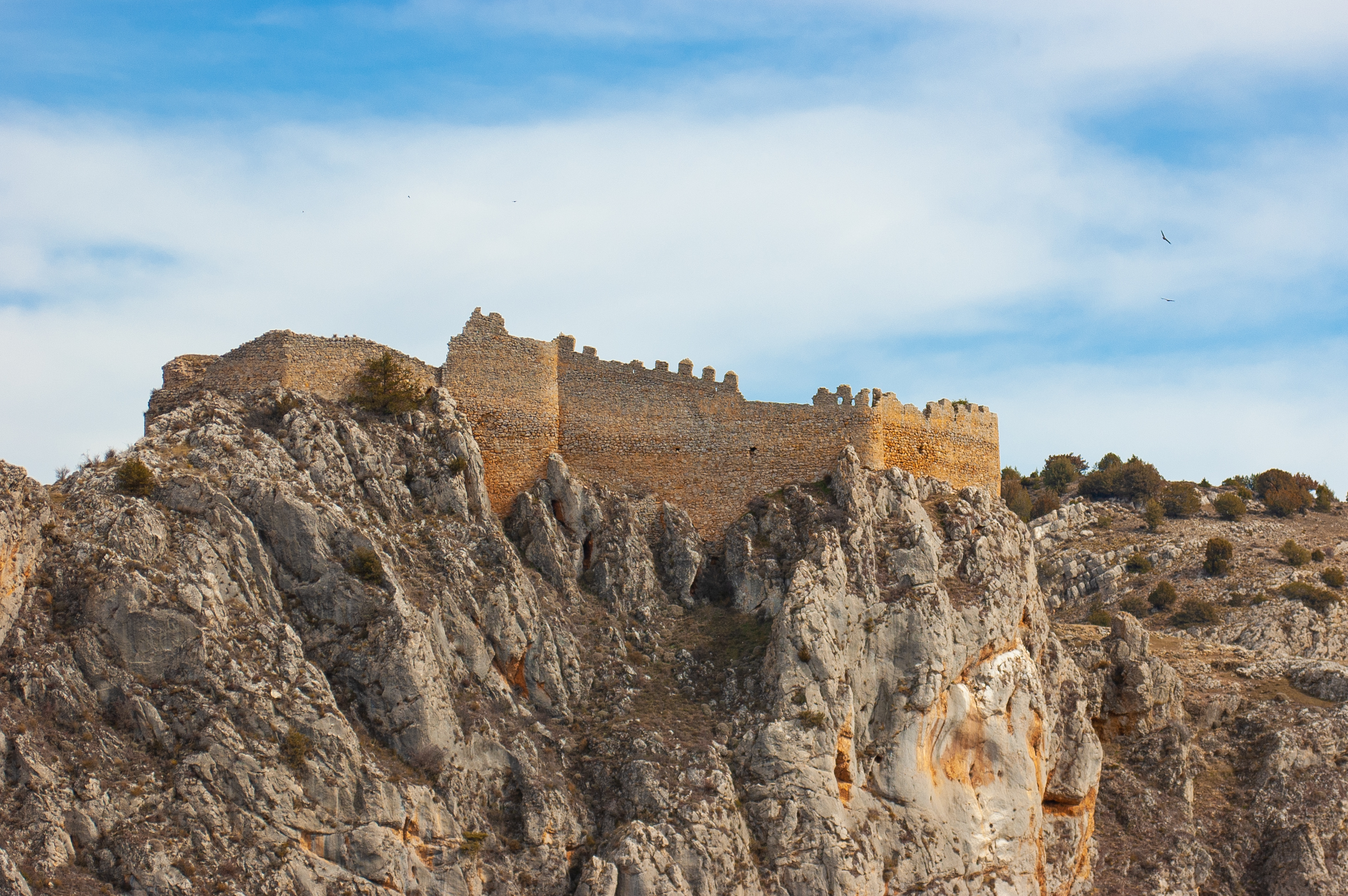
Ciria castle
The municipality of Ciria is about thirty minutes by car from the city of Soria.
In terms architectural heritage, its castle stands out among the civil constructions. The building, now in ruins, was made of masonry stone, although some remains of ashlar stones have been found inside, which could indicate that the nobles who lived there moderately wealthy.
This medieval fortress, located on a hill at an altitude of 1,080 metres, was strategically important, serving as a lookout post over the Portillo de la Hoz pass over the River Manubles, one of the main communication routes between Castile and Aragon. It may have been built to keep watch for any Moors passing in this area, located as it was on the route linking Bilbilis and Numancia. After the Christian conquest, the fortress was the subject of late medieval disputes between Castile and Aragon and witnessed successive seizures, peace and return by both kingdoms. With the development of pyroballistic artillery from the late 14th century on and its subsequent influence on the fortifications, a gunner buckets was added to the castle.
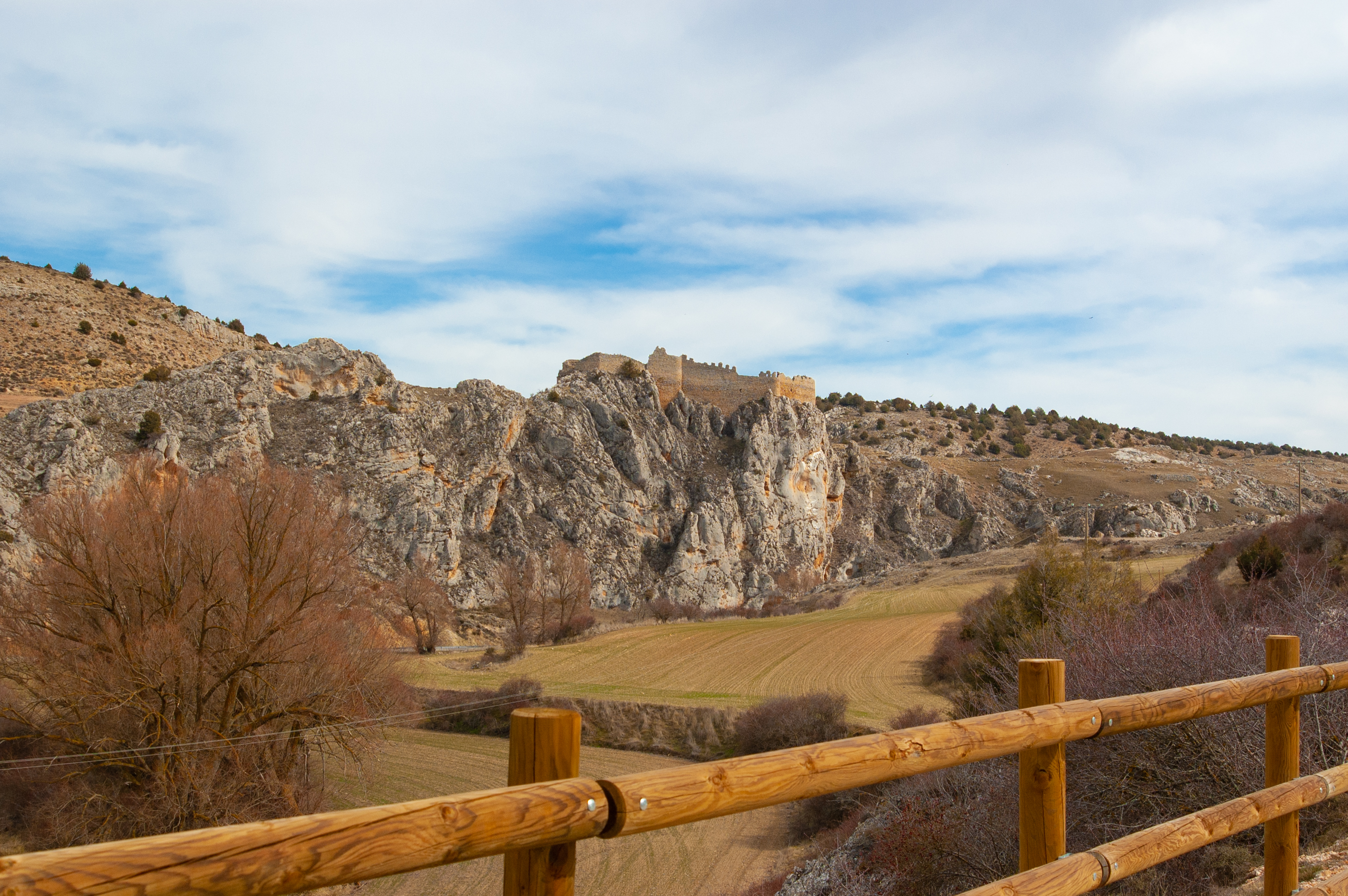
The complex is of Moorish origin, built in the 9th century, although it was later extended in the 10th century. It has a characteristic rectangular shape and is composed of ashlars with two walls filled with irregularly shaped limestone stones, all of which is bound together using a type of lime and pebble mortar with small stones used as a binder.
An important part of the wall, which is still preserved, is the rampart, which is punctuated by some thirty battlements, some diamond-shaped. There were a total of ten arrow slits, confirming the defensive nature of the fortress. A gate can still be seen in the wall, giving access to what little remains of the castle.
This is undoubtedly a typical example of a rock castle, adjusted to the terrain on which it stands, using the ravine at its foot as a natural defence.