

Puntos de Interés

Municipality
Quintanaortuño
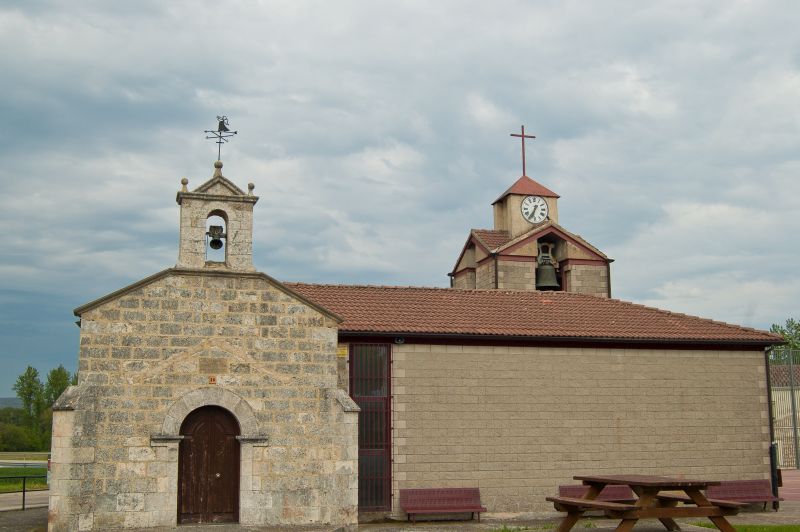
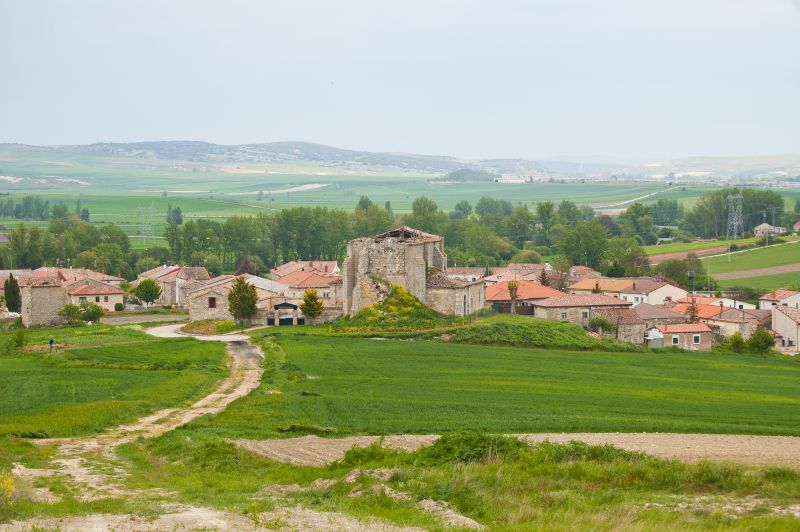
The first documents attesting to the existence of the municipality of Quintanaortuño date the birth of this Burgos municipality to the late 9th century. However, the name of the locality suggests that it has some Roman origin, to which it owes its name and which comes from the Roman word Quinta Fortunio. It currently has more than 260 inhabitants. Its most famous son is San Juan de Ortega, who was born here in the year 1080.
This religious man was a disciple of Domingo de la Calzada and both collaborated on projects to build roads to improve the passage of pilgrims to Santiago de Compostela as they passed through the province of Burgos. He is credited with the completion of the road linking Nájera and Burgos, as well as the construction of the bridges of Logroño, Nájera, Santo Domingo de la Calzada, Belorado, Cubo de Bureba and Agés. San Juan de Ortega is also attributed with the construction of one of the town's architectural points of interest: the bridge over the River Ubierna, although there are no documents or studies to confirm this. The city's architecture also includes a tower that was once a defensive tower, but which has lost its primitive function and aspects over the years. Its religious buildings include the Church of San Martín.
With regard to local festivities, every year Quintanaortuño's calendar of celebrations begins with one of the most important festivals in the area, the pilgrimage in honour of San Juan de Ortega on 2 June. Barely a month later, the municipality celebrates its traditional summer festivals, which usually begin around 5 July and last for five days. On 11 November, the municipality also holds festivals in honour of San Martín, which used to be held in the church dedicated to him but which is now in ruins.