

Puntos de Interés

Municipality
Belmonte
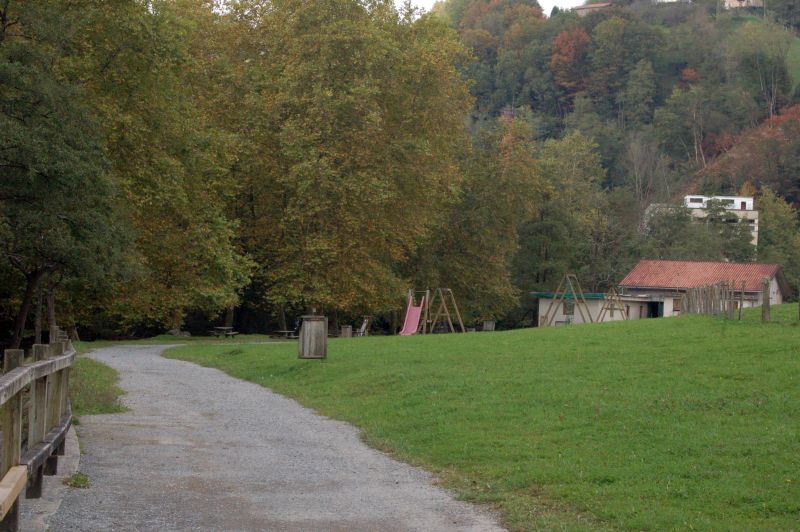
Belmonte de Miranda, located between Salas, Somiedo, Teverga, Grado, and Tineo, is a council characterised by a privileged natural environment within the Somiedo Natural Park. The region has preserved extensive woodlands, predominantly featuring oak and chestnut trees.
The area's history traces back to ancient times, potentially dating to the Neolithic period, as evidenced by tomb structures discovered in the mountainous areas near Grado and Somiedo. Among the notable archaeological findings is the Llamoso idol, a sculpture of a woman with disputed origins, possibly from the Late Bronze Age or the Asturian culture.
The Roman period saw a flourishing of mining activities in Belmonte, attracted by Asturian gold. More than a dozen mines have been identified in the council of Belmonte.
The foundation of Belmonte is linked with that of the Cistercian monastery, originally known as the monastery of Lapedo, established in the early 11th century. The primary sector, especially agriculture, remains a key occupation for the local population.
The historical heritage of Belmonte includes the remains of the Cistercian monastery of Santa María de Lapedo, once one of the most powerful monasteries in Asturias. The monks wielded significant influence, often in an oppressive manner, until the disentailment of Mendizábal led to the rapid destruction of the monastic complex. Only three lions from the monastery remain.
Old engravings and illustrations provide evidence of the monastery's former beauty, showcasing a cloister with a low portico and a high, open gallery. Despite the monastery's demise, some of its materials have found new life in other architectural elements such as the 15th-century Quintana Tower, the Cienfuegos Palace (declared a Historic-Artistic Monument), and the churches of San Martín de Leiguarda, featuring a semicircular arched doorway, and San Bartolomé de Miranda, boasting two 17th-century chapels.
Local festivitie include the Gira on the last Sunday of August in honour of Saint Anthony, as well as festivities for Saint Fructuosus in summer and Saint Julian in January. The pilgrimage of La Corredoira takes place on the first Sunday in September, while Our Lady of the Rosary is celebrated in October, and Our Lady of Sorrows on the third weekend in September.