

Puntos de Interés

Municipality
Andaluz
Andaluz is a village located within the municipality of Berlanga de Duero.
Andaluz, which has also been known as Fandaluz, Handaluz or Andalux, takes its name from the Mozarabic settlers who settled in the town during the Middle Ages. Despite this, the archaeological remains, tombs and street foundations demonstrate that the village's origins can be traced back to the Celtiberian period.
In 1089, the city was granted the first fuero of the province of Soria. Its historical importance lies mainly in its status as an important border crossing point between the Christian and Muslim kingdoms of Spain. In the 1960s, the municipality was incorporated into Berlanga de Duero.
The cultural heritage that the people have inherited is extensive and represents an asset. The Romanesque chapel of Nuestra Señora de la Calle, dating from the 10th-11th centuries, is a significant historical site. The apse has been preserved and is currently used as the Eco-Archaeological Park Interpretation Centre.
The city also boasts a Roman bridge from the medieval period, which is of singular beauty. The construction was a crucial element in enabling the crossing of the Duero. The infrastructure is comprised of six round-arched eyes, which are part of a longer structure. It was renovated in the 18th century.
The village's highest point is home to the church of San Miguel, which is surrounded by a collection of funerary stelae. The church was renovated in the 16th and 17th centuries, with the height increased and the tower, sacristy and new apse added. The site has been designated a National Monument.
The Mozarabic church of Santa Lucía, dating from the 10th and 11th centuries, is located on the Alto del Risco. The location offers unparalleled vistas of the expansive surrounding area. The area is also of great ornithological interest, as it is home to an important colony of Griffon vulture (Gyps fulvus) which nest at the Portillo viewpoint.
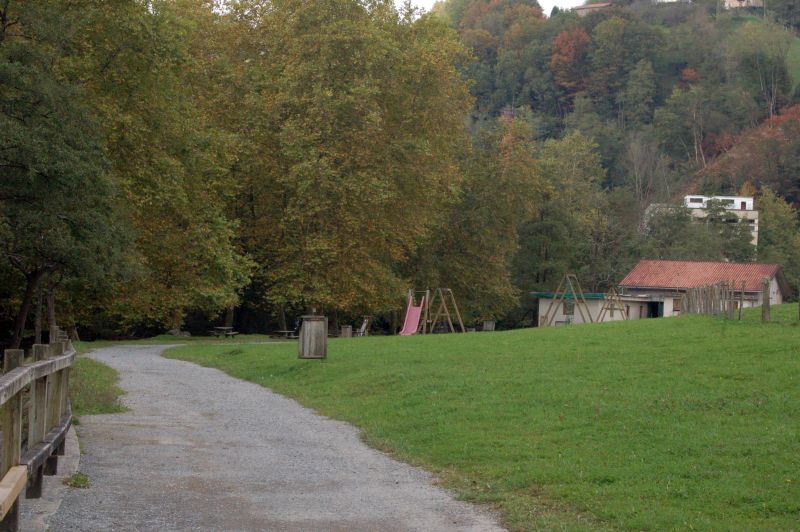
The municipality boasts several attractive natural landscapes, including the Soria Iberian Path (GR-86) and the Duero Path (GR-14). The project draws attention to the distinctive beauty of La Dehesa, the area where the river Andaluz flows into the Duero, and which boasts specimens of hundred-year-old ash trees.
The people of Andalusia celebrate the San Miguel Arcángel fiestas on the last weekend of September.