


Puntos de Interés

Municipality
Arboleas
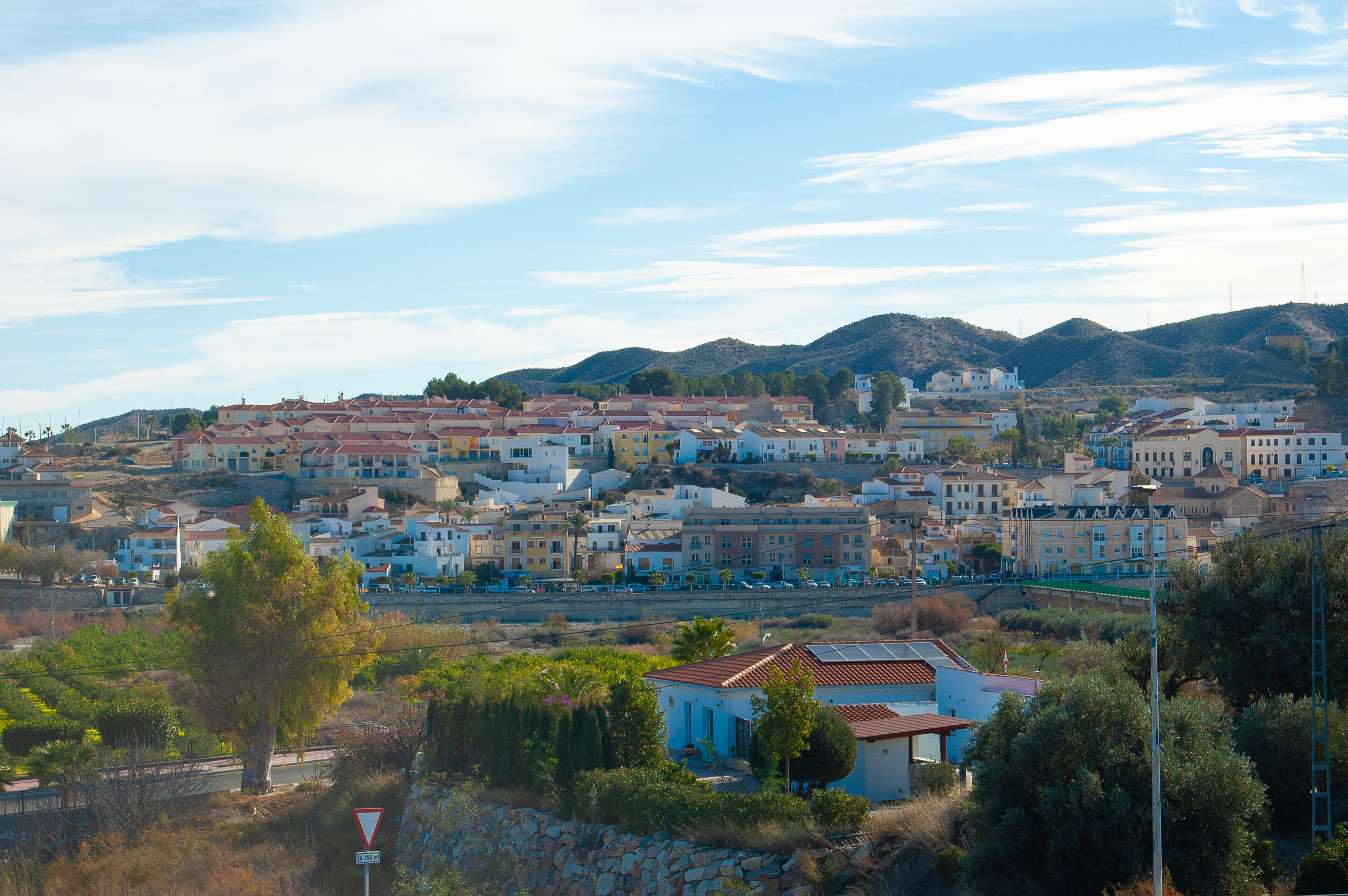
Located in the north of the Andalusian province of Almería, Arboleas is a municipality with a fascinating history dating back to the Neolithic period, as witnessed by the Argaric settlement sites at Casablanca and Maimí; the ancient Roman lapis speculis mines and the remains of the Nasrid period, such as the Torre Vigía de Arboleas (watchtower), an ancient minaret dating back to the 12th century.
The name 'Arboleas' is linked to Abu Ben Abdalacis Al Arboli, a prominent 14th century writer and scientist who wrote the 'Treaty on food' and was born in this village. From the end of the 15th century until the middle of the 16th century these territories suffered tumultuous times due to the fall of the Kingdom of Granada into the hands of the Catholic Monarchs and the subsequent revolts of the Wars of the Alpujarras, which ended with the expulsion of the Moors. Subsequently, Arboleas was under the administration of the Marquisate of Vélez and the Marquisate of Almanzora.
The prosperity of the town came with the arrival of the Guadix-Almedricos railway, boosting the trade in minerals, marble and agricultural products from the end of the 18th century to the mid-20th century. Testimony to this period is the Church of Santiago, built in the 19th century in the Neoclassical style and which incorporates Gothic details and modern elements, such as iron columns imitating marble, reflecting the influence of the iron mines and local industries of the time.
Arboleas is also home to places of interest such as the Pedro Gilabert Museum, which exhibits works by the artist born in the municipality, the Espejuelo Mine, an important Roman site of lapis specularis used as glass in Imperial times, and the Limaria viewpoint, which offers panoramic views of the region.
Today, the population of Arboleas is mainly dedicated to the marble extraction sector and its associated services, as well as to agriculture, especially the production of citrus fruits, almonds and olive oil.
The patron saint's festivities in honour of San Roque take place in August, with a varied programme that includes activities for all ages, from popular meals, stalls and attractions to foam parties, parranda dance exhibitions, concerts and the traditional final fireworks. The "Al-Arbuli" Gastronomic Festival focuses on the rich local cuisine, highlighting products such as traditional charcuterie, local olive oil, and typical dishes such as migas (fried bread crumbs), pucheros con pelotas (stews with meatballs), gurullos (pasta made from wheat flour, water and saffron), fritás de sangre (fried blood) or rabbit, accompanied by delicacies such as almendrados (pastry filled with cabello de ángel and coated with ground almonds), roscos de naranja (fried orange doughnuts), suspiros de almendra (baked meringues with almonds), mantecados de miel (honey shortbread) and roscos de anís (aniseed doughnuts), among others.
SITES OF INTERES
Junta de Andalucía Turism Area