


Puntos de Interés

Municipality
Bejís
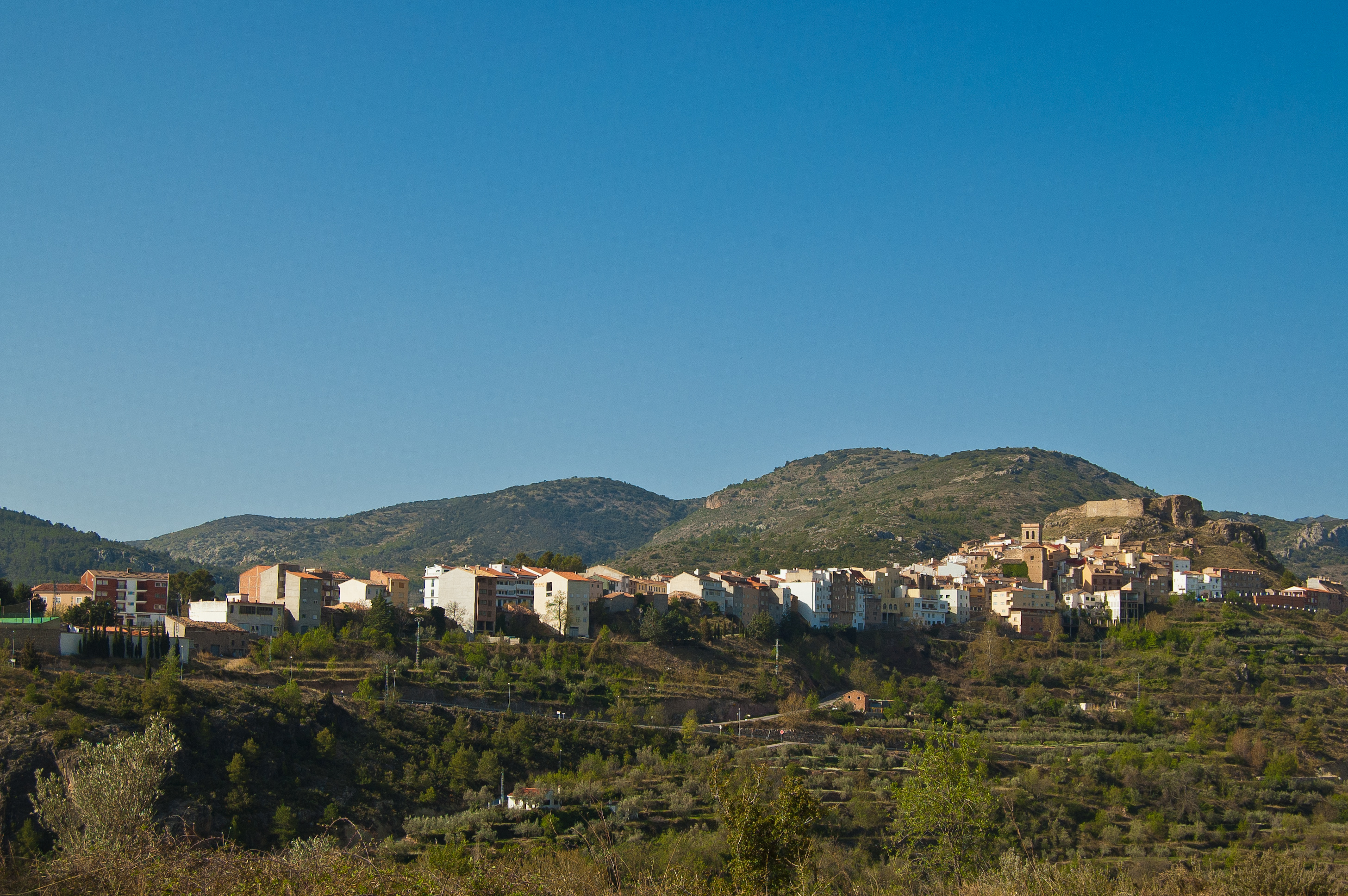
Bejis is a municipality and village in the province of Castellón, located in the foothills of Javalambre, in an area with a wealth of archaeological remains that prove that this area has been inhabited from time immemorial. At the sites in the vicinity of Bejís, remains have been found ranging from the Palaeolithic period - cave paintings from 7,000 years ago - to the Bronze Age, as well as Iberian settlements. However, it is the period of the Roman Empire that left the most remains in this town and of which the most archaeological sites have been found in the surrounding area, including the Roman road to Liria. By this time, the municipality was already known by the name of Begis. During the Moorish period it was also an occupied territory that would pass into Christian hands in the 13th century when the troops of Pedro Fernández de Azagra reconquered the municipality and incorporated it into the Christian kingdom of James I the Conqueror in Valencia.
In 1245 it was ceded by the king to the Order of Calatrava with the title of Encomienda and was represented in the Valencian Parliament, which facilitated the development of the municipality, forming a district at the head of the River Palancia, which included other villages in the area until the mid-19th century. Its strategic position halfway between the lands of Aragon and those of Valencia meant that the area around the village saw some of the bloodiest fighting during both the 19th century Carlist wars the Spanish Civil War.
The aqueduct, declared a National Monument in 1983, was built by the Romans and reformed in the Moorish period. It features of five arches on six limestone ashlar pillars. The castle, located on a hill on which numerous archaeological remains from different historical periods have been found, is also worth noting. The town's religious heritage includes the Church of La Virgen de los Ángeles, built in the 16th century on the remains of an earlier temple, and the 18th century Shrine of La Virgen de Loreto.
In terms of natural attractions, in the area surrounding the town centre of Bejís, places such as the Palancia riverbed and Peña Juliana stand out.
Local festivals include celebrations like San Antón, San Blas, the Falla, Las Mozas and the medieval fair. The villages patrons, Nuestra Señora de Loreto and Saints Victorio and Peregrino, are also celebrated during the first week of September.