
Puntos de Interés

Municipality
Barracas
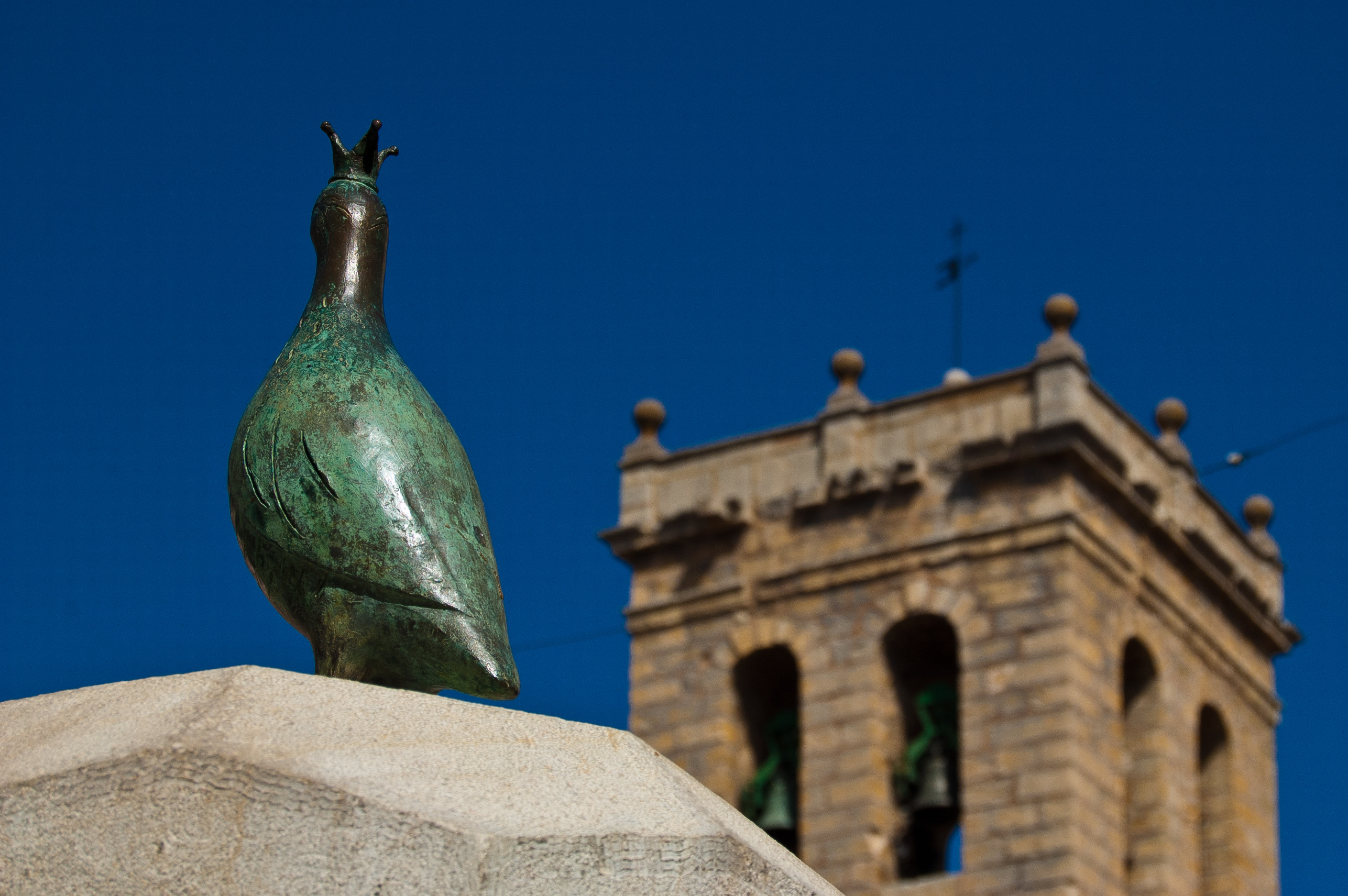
Barracas is a picturesque municipality and village in Castellón, located in the comarca of Alto Palancia, between the foothills of the Javalambre mountain range and the village of Pina de Montalgrao, on a plateau that reaches an altitude of 981 m.
The history of the village begins with its reconquest by James I the Conqueror who, in 1269 passed it to his son, and thus incorporated it into the Lordship of Jérica. Later, in 1364, Pedro I passed it on Juan Alfonso de Jérica and in 1372 it was again given by the king to the Infante Don Martín. The municipality would continue to change hands until in 1564, by a ruling of the Sacro Supremo Regio of the Council of Aragon, Barracas was declared Royal Heritage. The driving force behind the town's economic development was traditionally transhumant livestock farming, as the old royal road that ran between Aragon and Valencia crossed the lands of Barracas. Today, however, agriculture is the activity that employs a large part of the population.
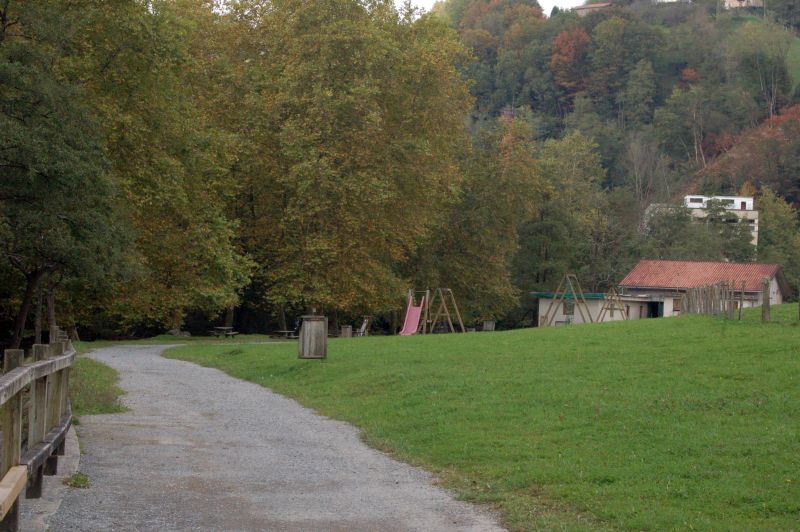
The railway line that ran from the Ojos Negros mine in Teruel to the port of Sagunto for the distribution of raw materials also passed through the vicinity of this municipality, and Barracas had its own station on this route. The closure of the railway service in 1972 left many of the structures along the line abandoned. Here at Barracas, however, the old station has been restored with picnic areas and children's playground.
Its heritage includes the Church of San Pedro Apóstol, a 16th century Gothic style building with an imposing tower and rose window; the fountain of San Pedro, dating from 1576; the Shrine of San Roque, with its outstanding portico; and the voussoirs of the cemetery arch.
Barracas takes its local festivals seriously, with the Domingo de la Rosa celebrated on the first Sunday in May in honour of La Virgen de la Divina Pastora. Celebrations and pilgrimages in honour of San Pedro and San Roque are also important dates.