

Puntos de Interés

Municipality
Vadillo
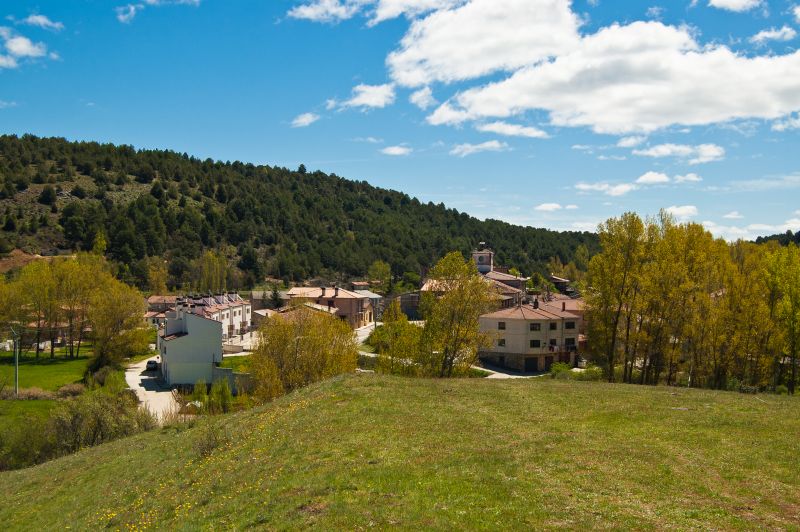
Vadillo is a small village and municipality in Soria, surrounded by wide expanses of pine forests rich in mycology. Also in the area of Vadillo is the so-called Otero peak, a rocky outcrop of geological importance that reaches a height of 1,333 m and is located close to the Cañón del Río Lobos Natural Park.
The origins of the village, which has just over 145 inhabitants, go back to the Visigothic period, as it is believed that they were one of the first cultures to inhabit this area. Various artefacts and tools have found in the vicinity of Vadillo, some of which are today on display in the Numantine Museum in Soria. The village was first documented as Vadellum as early as the 13th century
The rich natural environment of the area has turned it into a real nerve centre for the mycology sector Spain. Many types of mushrooms sought after as gastronomic treasures grow in the nearby pine forests. This dense vegetation is also a refuge for fauna species like roe deer and wild boar.
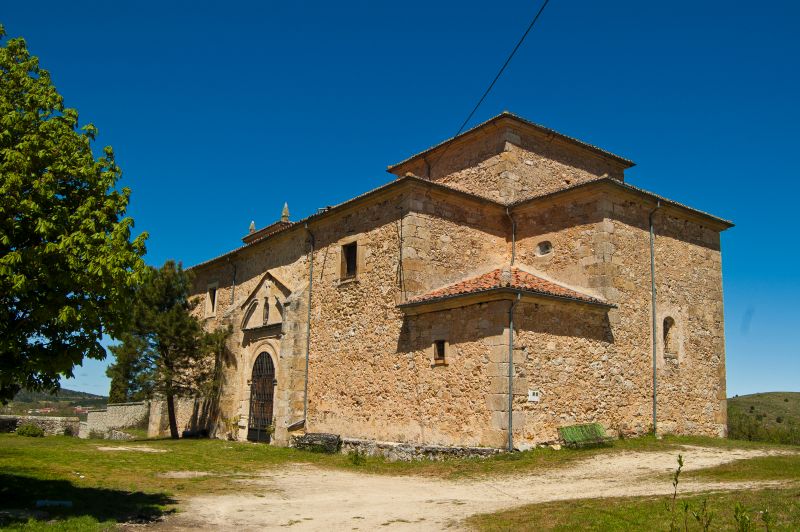
In terms of architectural heritage, the village boasts the 17th century Church of La Natividad de Nuestra Señora, located on a hill on the outskirts. It is a large church with three naves, a transept, a Baroque altarpiece, an 18th century organ and a Romanesque baptismal font. The town hall, built around 1930, is an important example of civil architecture.
One of the local festivities is known as the pingada de mayo, an ancestral tradition in which the fertility of the land is venerated and sees the young inhabitants of the town cut down one of the pine trees in the surrounding area. The tree is erected together at the entrance to the municipality, followed by a large community feast with local cuisine. On 16 August, the Romería de La Caridad pilgrimage takes place around the Shrine of San Roque. Another of this town's curious traditions are the quarantenas, which takes place in the week before Lent, which precedes Easter. Local children make their way through the streets singing old songs and asking for money, chorizo and eggs. On the last day, Piñata Sunday, a community meal is hosted with what they have collected during the previous days.