


Puntos de Interés

Municipality
San Leonardo de Yagüe
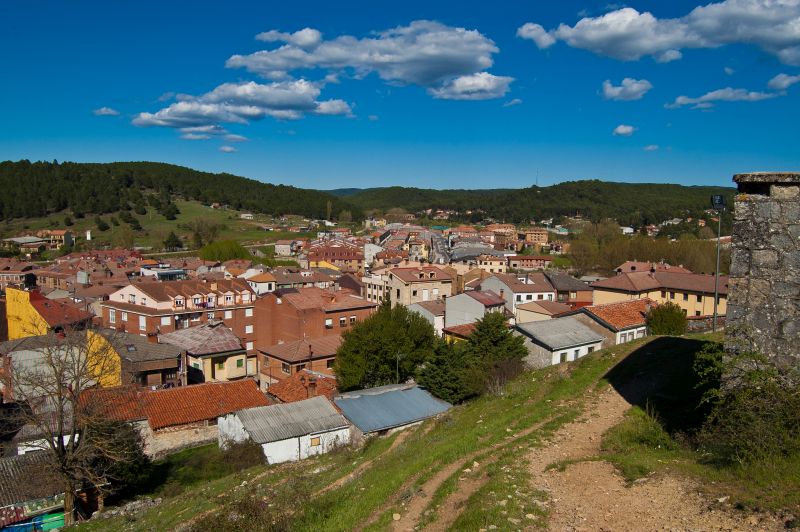
San Leonardo De Yagüe is a town and municipality located in the northwest of the province of Soria. Although the first written references date back to the 10th century, it is known that this area has been inhabited from time immemorial, as evidenced by the sites found in the area dating from the Palaeolithic, Neolithic, Bronze Age and Iron Age.
A Celtic castro settlement dating from the 6th century BC has also been found in the vicinity of the town centre, considered the origin of the present-day municipality. In the Roman period, San Leonardo de Yagüe became an important communications hub between the different settlements in the region. A Roman road also passed through here to Uxama, today the town of Burgo de Osma.
The foundation of the modern town is linked to the existence of a pilgrims' hospital in the area. It was an important transit point during the Middle Ages, as a number of Jacobean pilgrimage routes converged here.
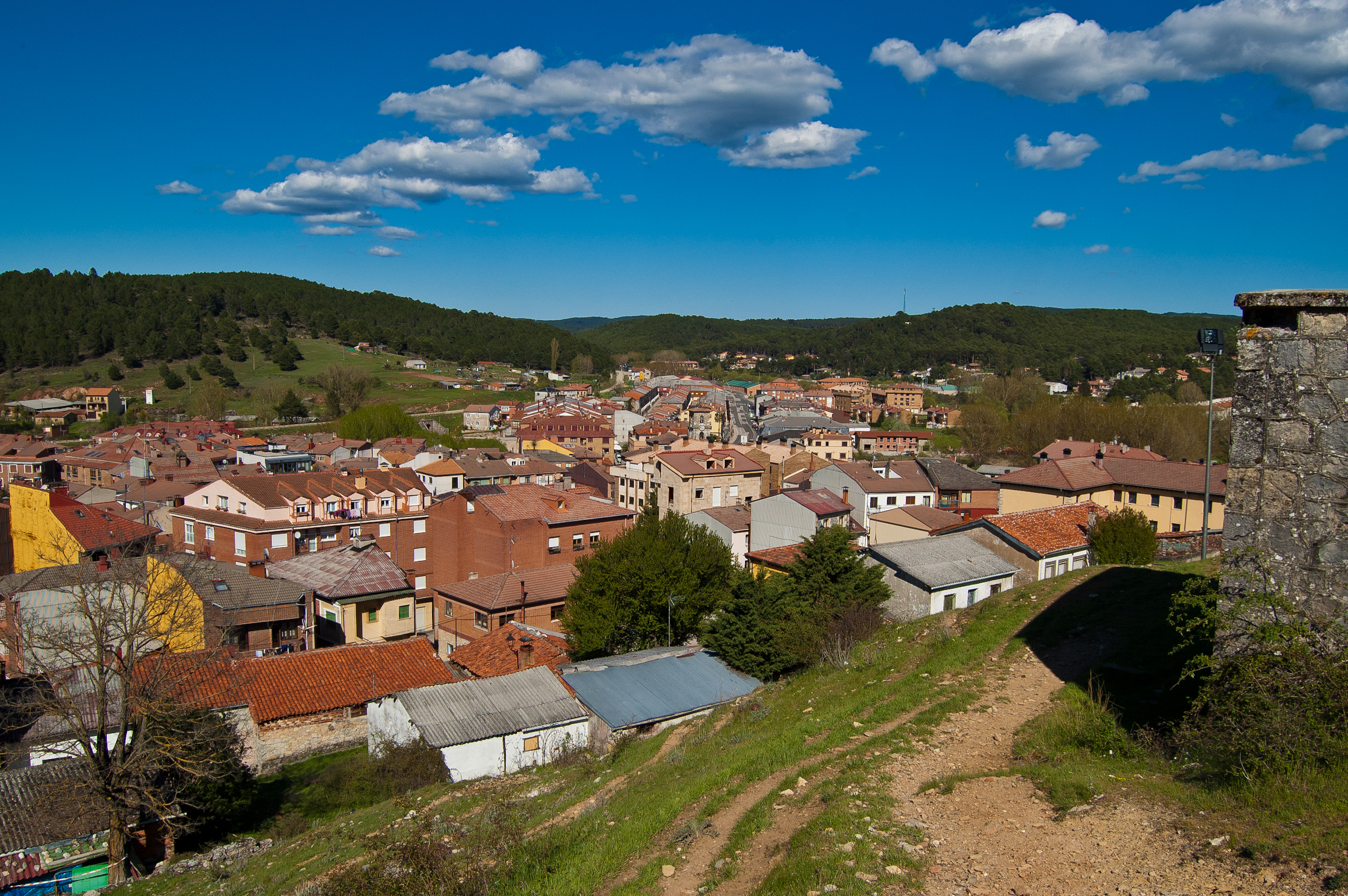
The architectural heritage of this historic municipality includes the Juan Manrique de Lara Castle-Palace in the mid-16th century. This Renaissance-style fortress crowns San Leonardo de Yagüe from a rocky promontory over a thousand metres above sea level. It is a two-storey rectangular building with a pilastered courtyard that was an icon of Renaissance architecture at the time of its construction and an example for other contemporary fortresses built in America. Despite its monumental past, today only the ruins of what was once this castle, for centuries used as a quarry, remain.
Other architectural features include the medieval arch, the only one still standing from the old walls of the town. There is also a religious heritage here, with the Shrine of La Virgen de La Vega and the Church of San Leonardo de Abad, built from ashlar in the early 16th century over the ruins of an earlier temple.
San Leonardo de Yagüe celebrates the festivals of Las Candelas and San Blas, held on 2 and 3 February, featuring traditional religious-war dances, eleven in total, each with its own accompanying music.