


Puntos de Interés

Municipality
Casajeros
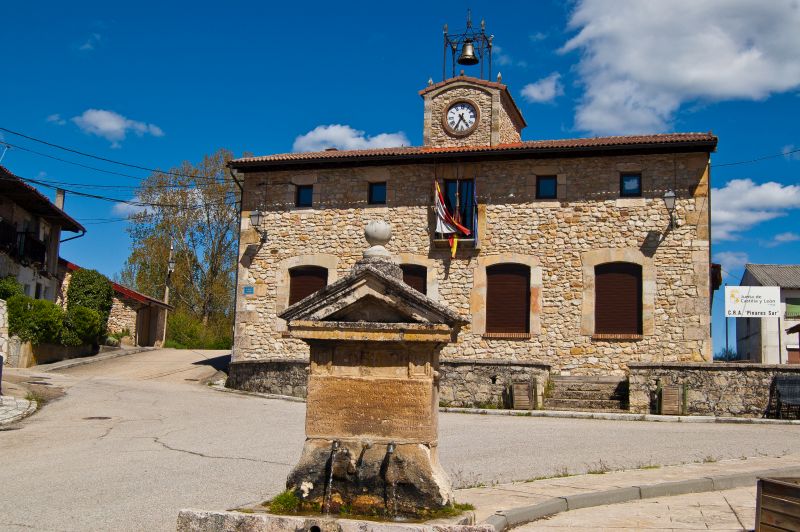
Casarejos is a small village in Soria, just 10 km from the impressive Cañón del Rio Lobos Natural Park. The River Lobos and River Navaleno both flow through the village, making it an attractive destination for rural tourism and nature lovers. However, the rich environmental heritage of the locality has not been able to prevent the municipality from suffering a significant loss of population in the mid-20th century, like other villages in the area, due to the industrialisation of the large cities.
The economy of Casarejos has traditionally been linked to the surrounding environment and continues to be so today. One of the main economic engines of the municipality is forestry exploitation. Wood is extracted that in the past was essential for the construction of carts. Livestock farming is another important activity for Casarejos, in particular sheep and cattle.
Manuel Barrio Ayuso, one of the most important political figures from mid-19th century, was born in Casarejos. As senator for the province of Soria, he was able to ensure the completion for several major works to improve local infrastructure and make life more comfortable for its inhabitants.
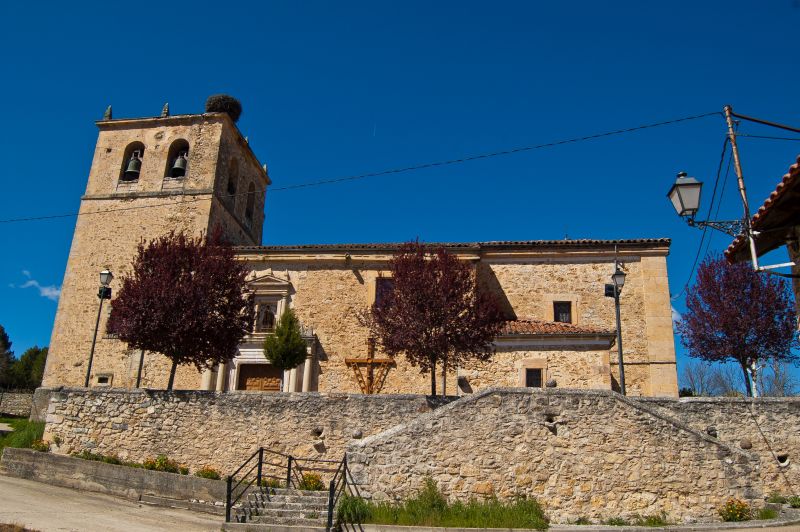
The architectural heritage of Casarejos includes the 15th century Church of San Ildefonso, later reformed during the 17th and 18th centuries. Late January sees the patron saint festivals in honour of San Ildefonso celebrated here, with the traditional paloteo dances, typical of the province of Soria, where dancers use sticks to create intricate stick-clashing patterns. The civil heritage of Casarejos also includes several large houses reflecting the traditional architecture with large balconies still on display in different streets of the town.
Apart from the aforementioned pilgrimage in honour of San Ildefonso, the most important festival in this Soria village takes place on 24 August, when the villagers embark on a procession to the Shrine of San Bartolomé, located in the spectacular natural setting of the Lobos River canyon. This 12th century Romanesque church is surrounded by pools full of water lilies and dragonflies, making for an idyllic setting in the midst of wild nature.