

Puntos de Interés

Vegetation
White polar
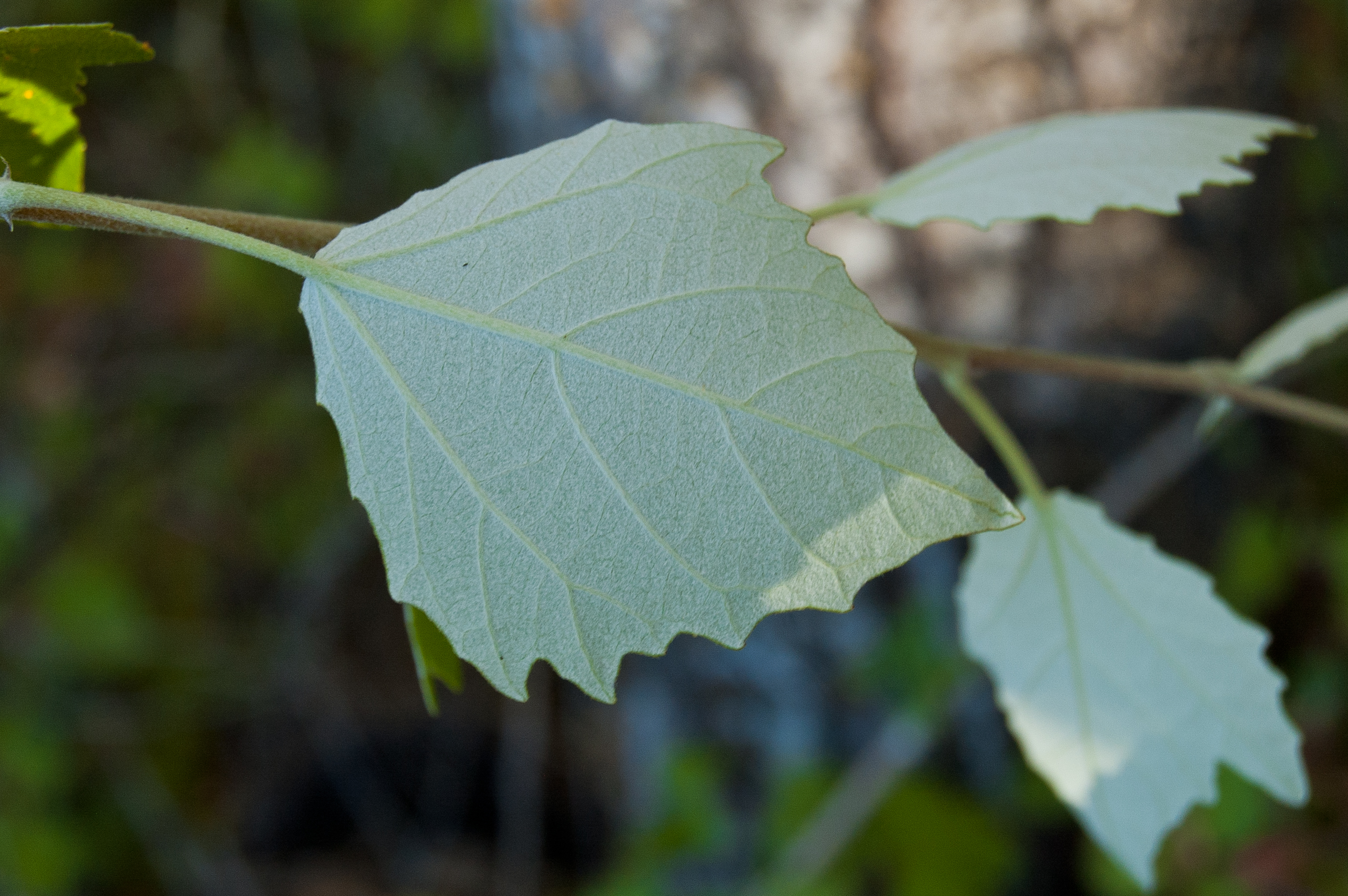
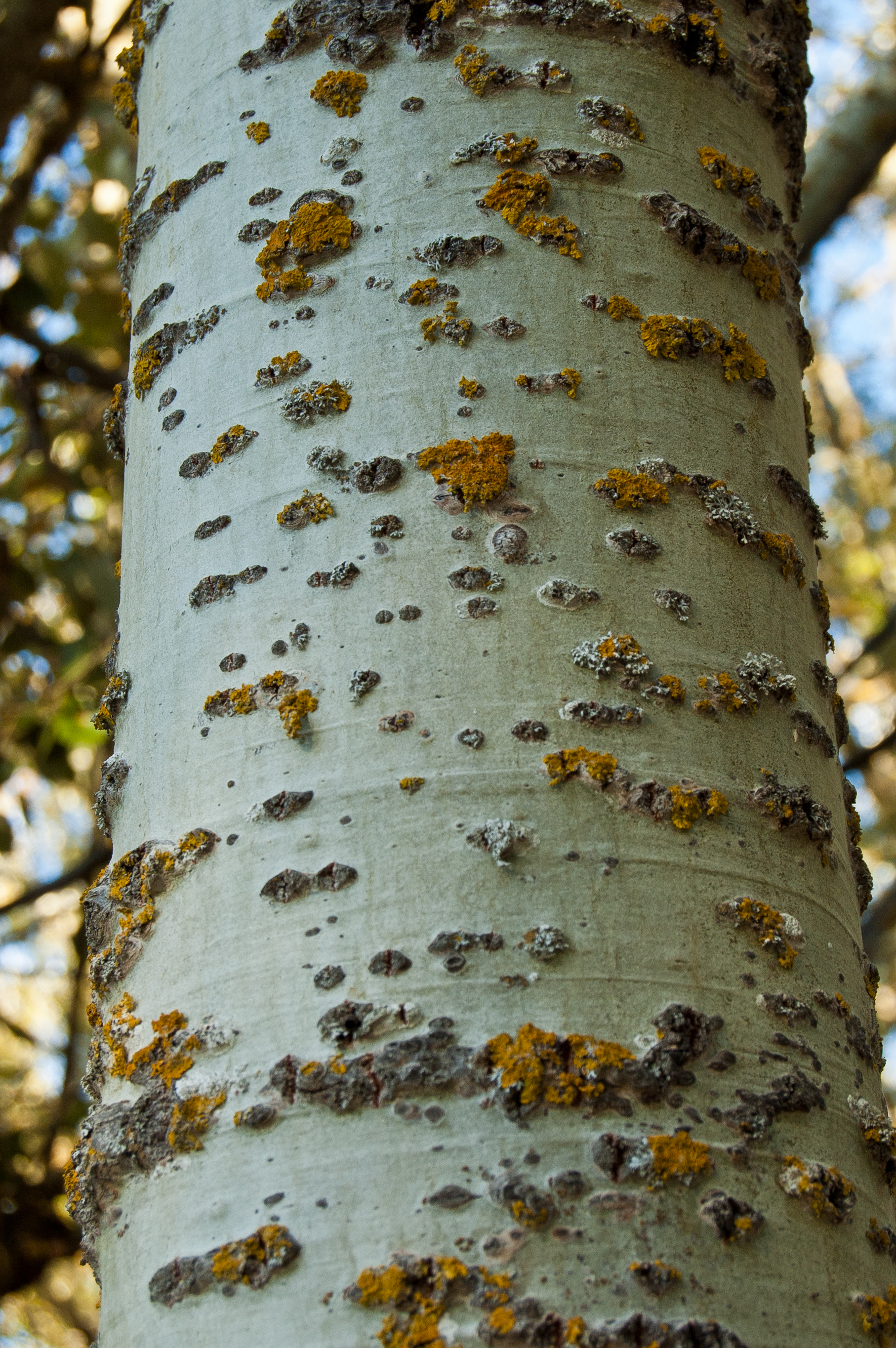
It is a deciduous tree that can grow up to 25 m tall. Its bark is greenish-white or greyish and cracks longitudinally with age. Its fruits are capsule-shaped and open when ripe, releasing their seeds, which are wrapped in a cottony tissue that facilitates their dispersal in the wind. This type of "fluff" from poplar fruits is often confused with pollen.
The white poplar is a species that prefers low-lying areas and does not tolerate frost well. It generally prefers fertile areas in the vicinity of the middle and lower reaches of rivers, and is closely associated with river ecosystems and those surrounding streams and springs. It is sometimes found in copses that blend in with the riverbank vegetation. It disappears in areas where there is a high concentration of salt. It is a species that grows naturally all over the Iberian Peninsula, except in excessively humid areas of the Cantabrian coast.
With regard to the uses of this species, its wood is used to produce paper and small-sized packaging. Its leaves have traditionally been used for dyeing yellow and for making infusions to cure fever. It is also often used as an ornamental plant. One of the curiosities of this species is that Leonardo da Vinci's iconic Mona Lisa artwork was painted on a white poplar board.