

Puntos de Interés

Municipality
Sant Llorenç de La Muga

Sant Llorenç de La Muga is a walled town in the Alt Empordà region of Girona, situated on the banks of the River Muga. The village is ‘watched over’ by its 13th-century circular tower, one of the town’s landmarks and a superb vantage point from which to enjoy the beauty of the valley.
Its origins date back to the late 10th century, and between the 12th and 13th centuries it formed part of the estates of Arnau de Llers, before passing into the hands of King James I. Shortly afterwards, in 1272, it came into the possession of the Rocabertí family, Counts of Peralada, and remained so until 1900.
The town centre, situated on a bend in the River La Muga and still in a good state of repair, is accessed via three gateways; and in its streets, lined with stone houses, you can see the Romanesque church of Sant Llorenç. First recorded in the year 972, it originally consisted of three naves, although the constant alterations it has undergone have changed its appearance. You can also come across public and private washing places and the irrigation canal in the town’s streets.
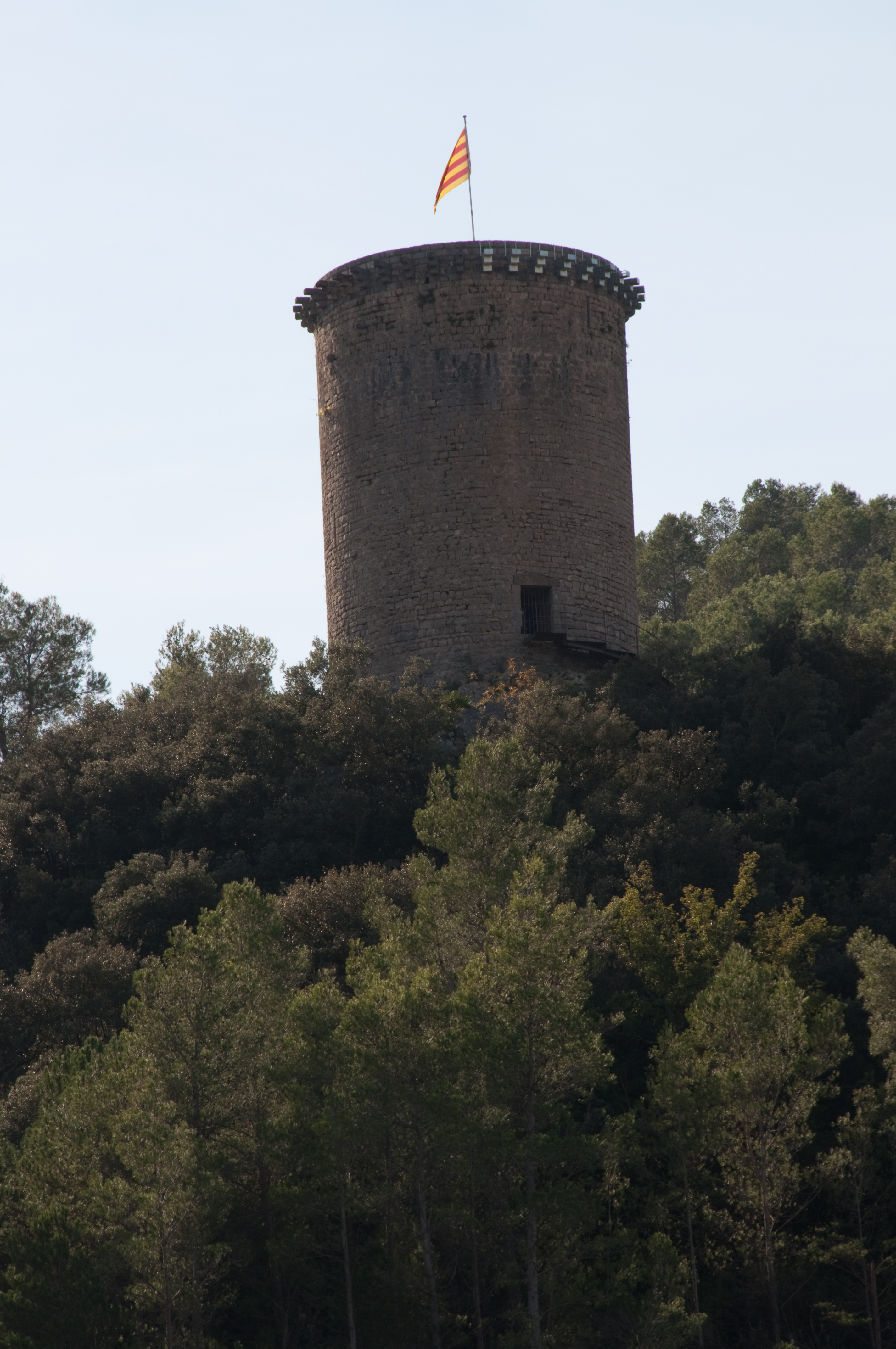
Outside the city walls, a visit to the Romanesque church of Palau – with a single nave and a pointed vaulted ceiling – is a must; the church, first documented in 1835, and the medieval San Antonio Bridge, with its two arches, as well as the castle and the Guaita Tower, also known as the Moorish Tower.
Agriculture, livestock farming and the textile industry – which encompasses the entire process of producing woollen fabrics – have historically formed the economic basis of the municipality. In the second half of the 18th century, the manufacture of cannonballs and ammunition was added to their activities following the opening of the Royal Armoury in San Sebastián de la Muga. Today, the cultivation of cereals, fodder, vineyards and olive groves, and the service sector are the mainstays of the economy.
Sant Llorenç de La Muga, known for its ganxet alt variety of bean, holds its Coal Fair on the first Sunday in March in honour of those who practised the historic trade of coal making. To this end, the villagers help to build and maintain the charcoal kiln in the weeks leading up to the festival. It also holds its annual festival in August, featuring traditional dances know as sardanas, parades, music and celebrations.