

Puntos de Interés

Municipality
Castelló d'Empúries
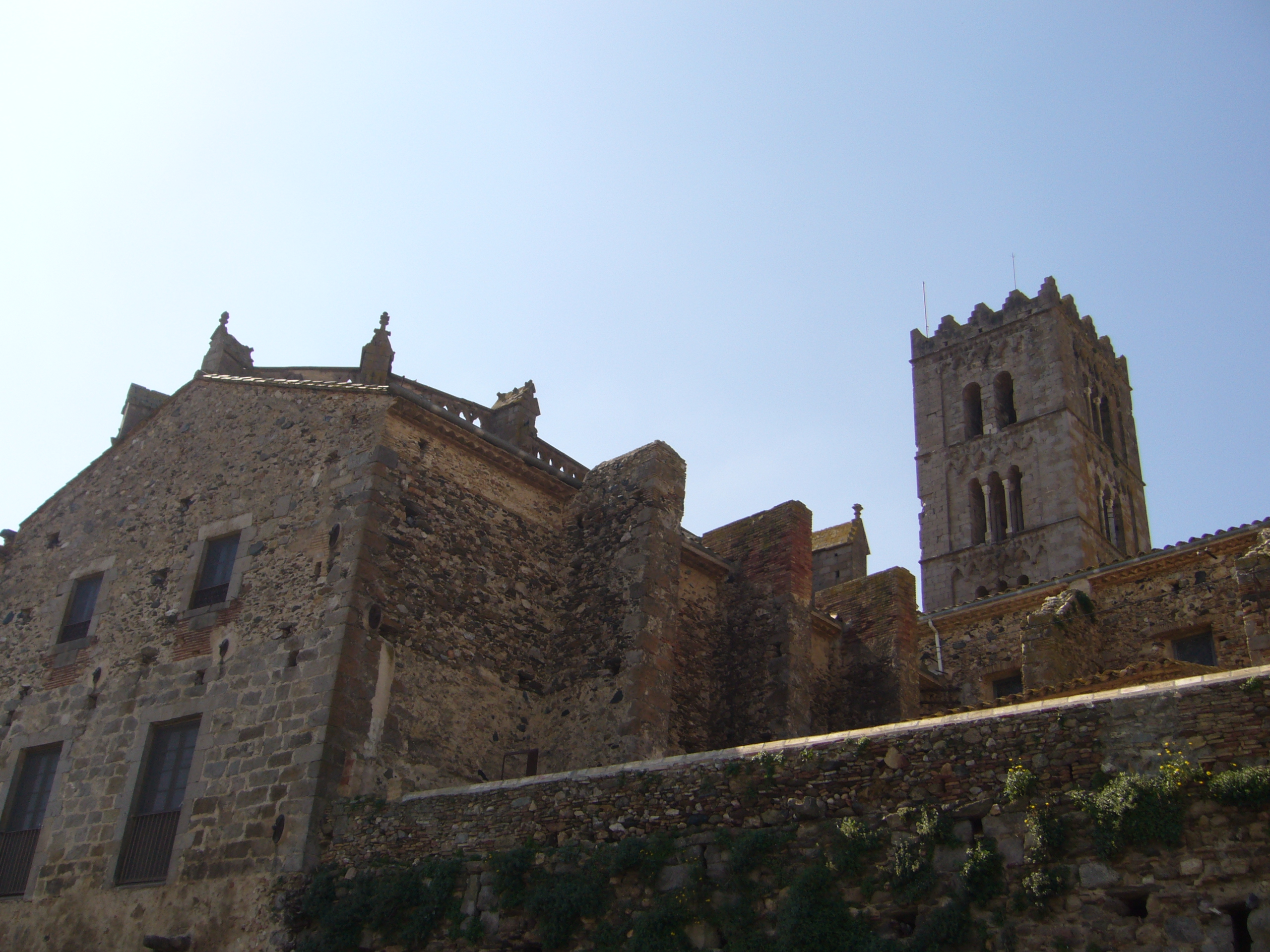
Castelló d'Empúries is located in the comarca of Alt Empordà in Girona, very close to the mouth of the River Muga. Its history began in Roman times, around the 2nd–1st centuries BC, but it reached the height of its splendour in the 11th century as the capital of the county of Empúries.
During the Middle Ages, the town was renowned for its bustling commercial and social life, thanks to its weekly fairs and markets. Today, although it still grows cereals and fruit and keeps livestock, tourism is the main engine of the economy.
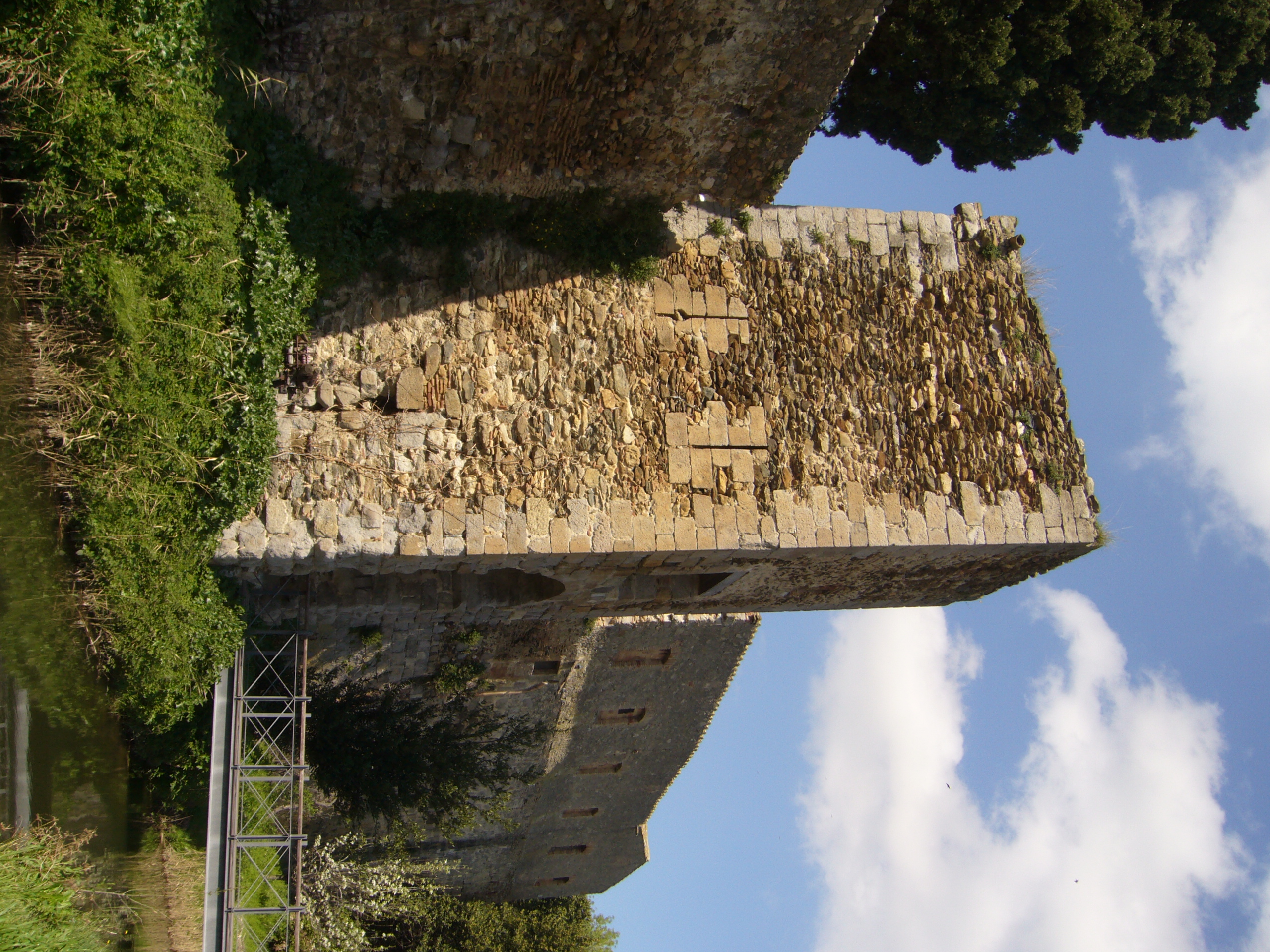
The old town still retains its original layout and offers visitors the chance to explore landmarks such as the Pont Vell, the Rec del Molí city wall and the Portal de la Gallarda. Other key points of interest include the new synagogue at Puig Mercadal, the Cúria-Cárcel (now the Museum of Medieval History), the Molino del Medio mill (now the Ecomuseum-Farinera) and the public washhouse, the Modernist building that housed the Toribi Duran Asylum.
However, the town’s most iconic landmark is the Gothic basilica of Santa María, known as ‘the Cathedral of the Empordà’. Its marble façade leads into a three-nave interior, the highlight of which is the alabaster high altarpiece, a masterpiece of Catalan Gothic sculpture from the second half of the 15th century.
The tour is rounded off with a visit to the residential marina at Empuriabrava, famous for its 24 kilometres of navigable canals, and the Aiguamolls del Empordà Nature Reserve, which is home to more than 300 species of birds. In terms of cuisine, local pastries include bruels and rocs de Castelló.
The big dates on the calendar include the La Candelaria festivals, the Sant Llorenç festivales in August, and the Terra de Trobadors Festivals in September.