
Puntos de Interés

Hydrography
Ter river
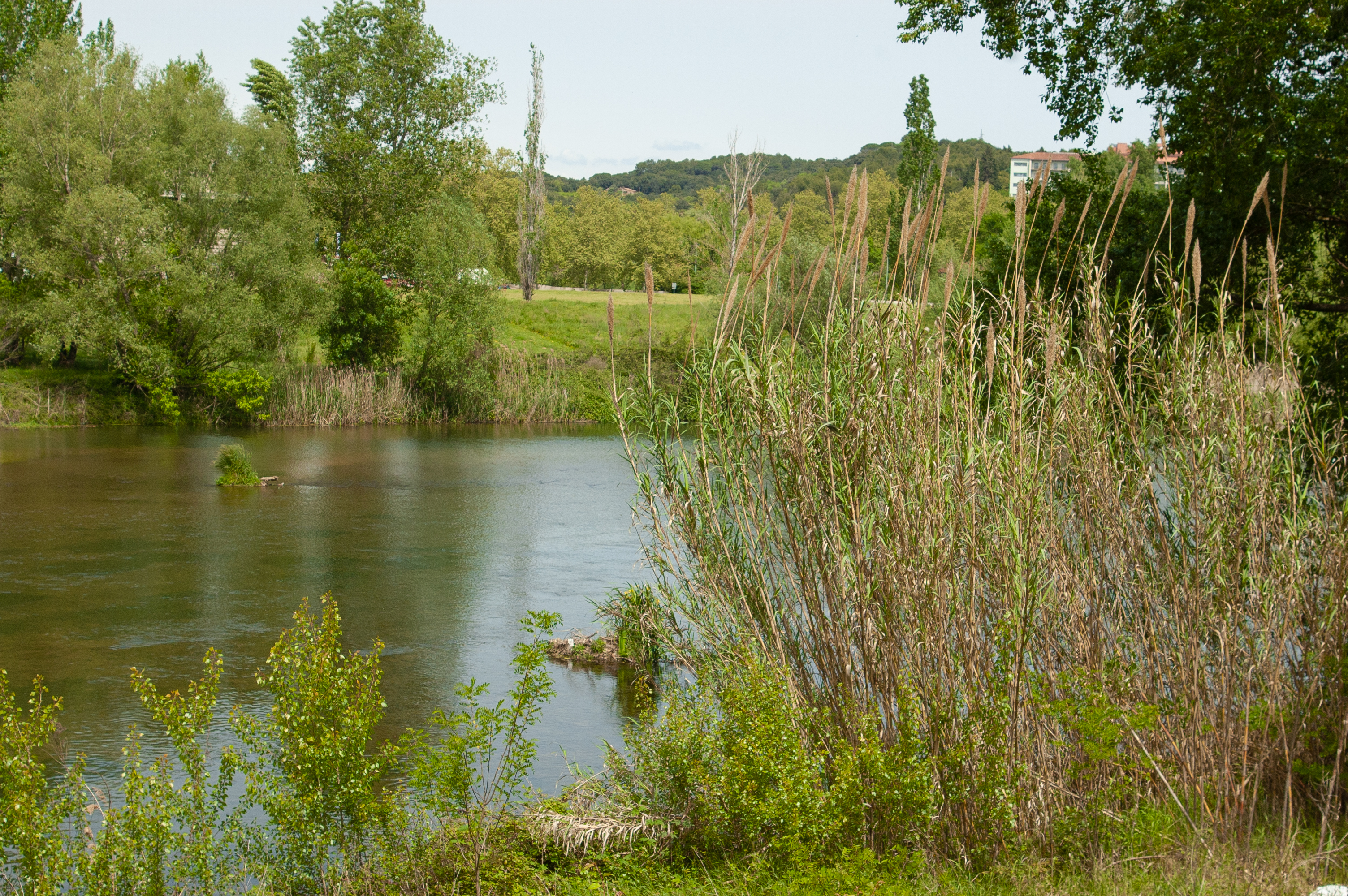
The source of the Ter River is located 2,480 meters high, in an old glacial cirque surrounded by Grano de Alforfón, Pico de la Mujer and Los Marcos mountains. The Ter River is the longest and largest river in terms of volume of the Catalan internal basins, following a course of 208 km with an average flow rate of 25 m³/s. It crosses the regions of Ripollès, Osona, La Selva, Gironès, and Baix Empordà until it flows into the Mediterranean Sea.
Its name comes from the term Tezere, possibly derived from the Breton word ster, which means river.
According to ancient local legends, an old man asked a shepherd for some water to drink, since the summer was particularly hot. Even though this required a long walk and he himself was thirsty, the shepherd gave the water to the old man. To thank him, the old man gave the shepherd a bottle of never-ending water. However, shortly afterward, the shepherd lost the bottle and water kept flowing, thus the legend of the origin of the Ter’s source was born.
The river basin serves a 3-fold purpose: snow production through 98 mini-power plants during the ski season, water supply, and power generation. In addition, visitors to the area can explore a wide range of valuable European natural landscapes.
As for the flora of the Ter River, there is a great abundance of forests, including hazelnut and poplar trees, as well as ferns and rare plants such as the bear's ear. The fauna is equally rich, and it is easy to find wild animals such as wild boars, genets, badgers, as well as vultures and sparrowhawks.
Along its course, there are a number of reservoirs and lakes such as Susqueda, Pasteral, Colomers, Seva and Sau.
The Ter River, together with the Llobregat, contributed to the significant development of Catalan industry in ancient times, since many textile factories were established along their courses. There are approximately 200 dams along the course of the river, many of them are currently used for electricity generation, while others had to be repurposed as a result of the relocation of textile production and are now used for hydropower generation.