
Puntos de Interés

Hydrography
River Segre
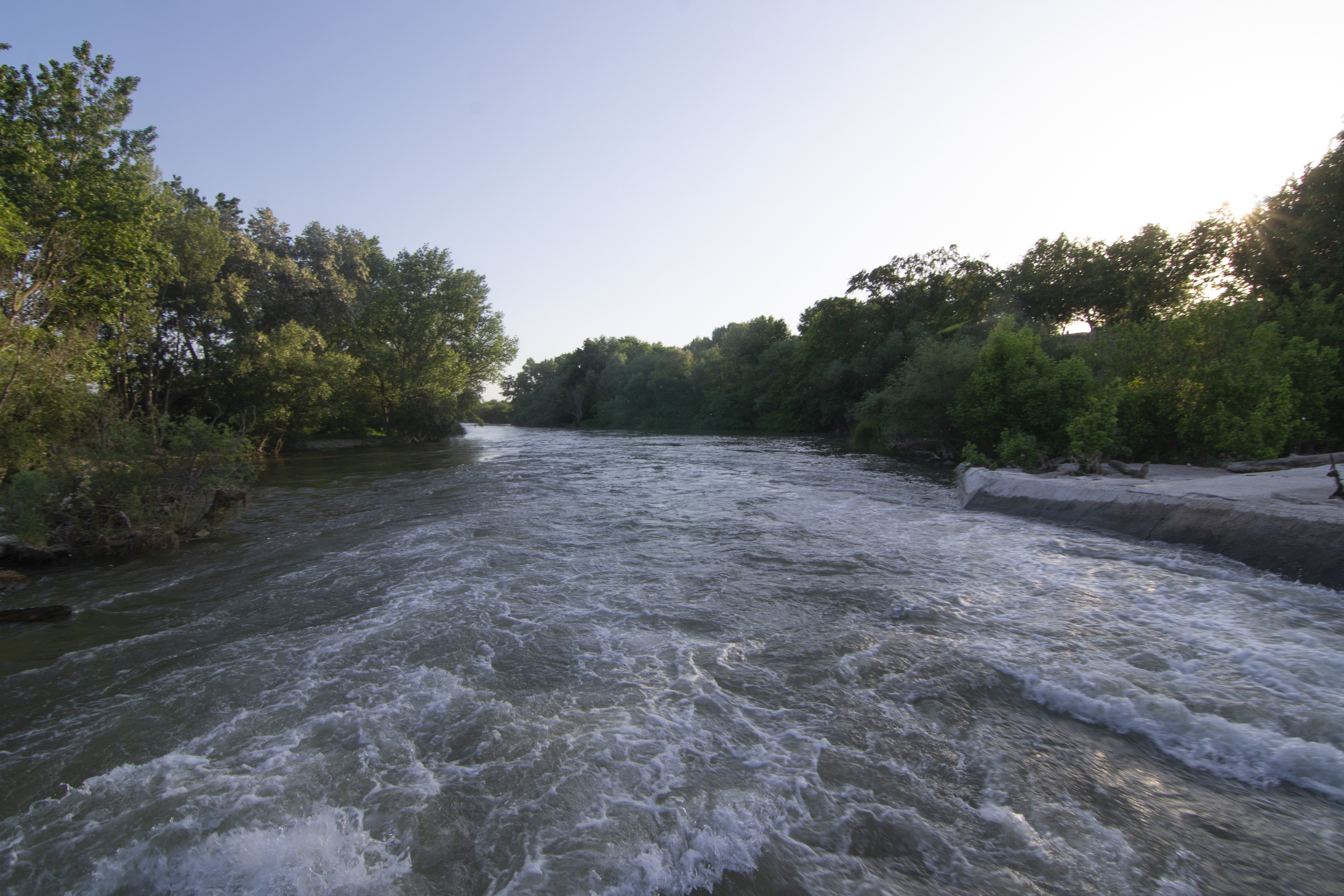
The River Segre is one of the most important waterways in the north-east of the Iberian Peninsula and a key feature of the landscape along the River Segre and Utxesa Reservoir Nature Trail. Originating in the French Pyrenees, at an altitude of more than 2,300 metres, the Segre flows for nearly 265 kilometres before joining the River Ebro, passing through a wide variety of landscapes ranging from the high Pyrenean mountains to the agricultural plains of Lleida.
Along the Nature Trail, the river takes on a calmer and wider character, forming a landscape of great environmental and agricultural richness. Its waters have been essential to human development in these lands, historically facilitating irrigation, the creation of market gardens and the transformation of vast areas of dry land into highly productive agricultural areas. For centuries, the River Segre has served as the backbone of the region, shaping the location of towns, roads and economic activities.
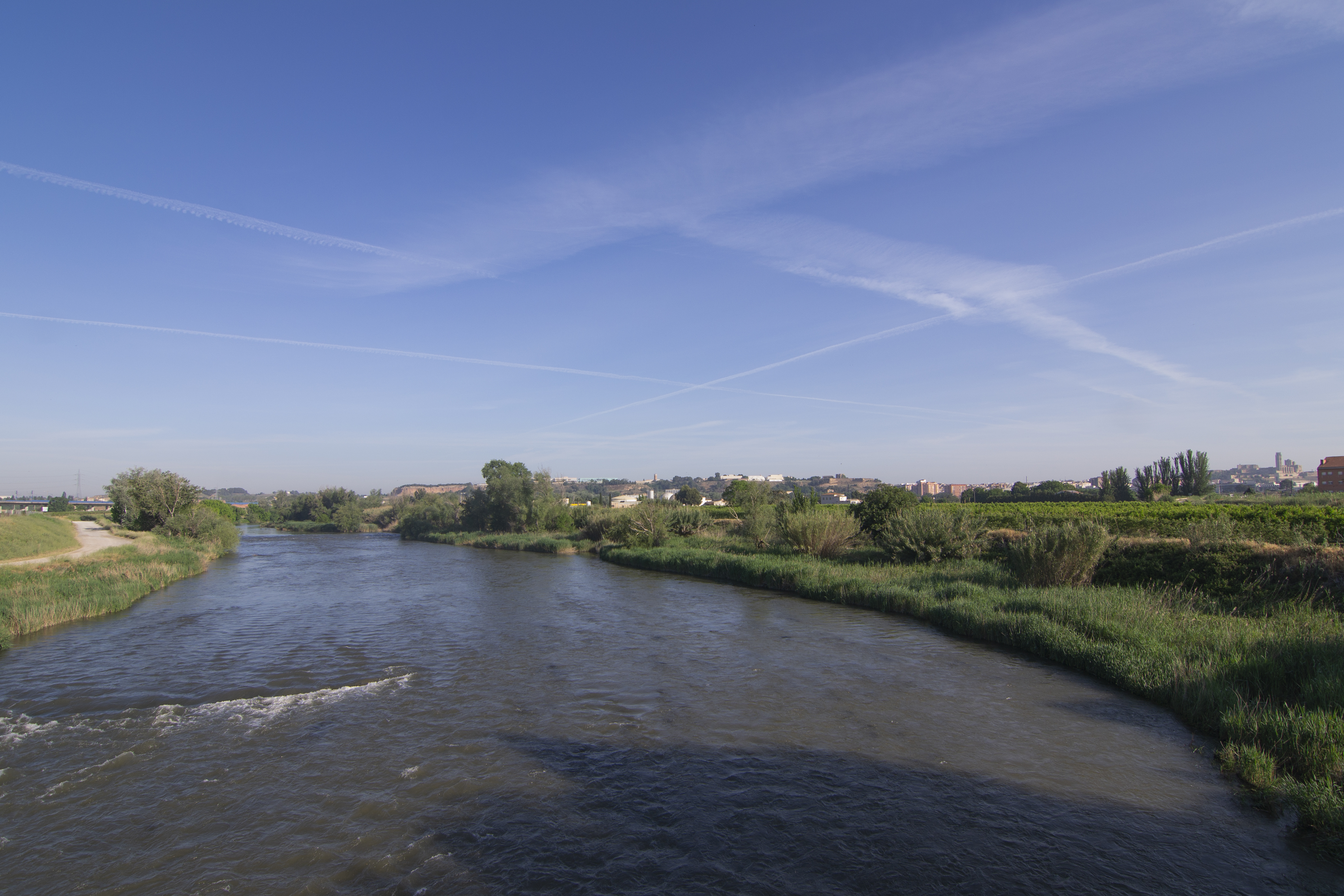
One of the most notable features of this section is its close connection with the Utxesa reservoir, a large body of water originally created for hydroelectric power generation and water regulation. Over time, this area has become a site of immense ecological value, particularly for waterbirds and migratory birds, to the extent that it has been designated a Wildlife Nature Reserve. The river and the reservoir thus form a mosaic of habitats where reed beds, wetlands, farmland and riverside woodlands coexist.
From a natural perspective, the Segre is an important ecological corridor. Poplars, willows and riverside vegetation thrive on the banks, providing a habitat for numerous animal species. It is common to spot birds such as herons, ducks, cormorants and kites, as well as fish and small mammals typical of the aquatic environment.
The Segre is one of the few major tributaries of the Ebro that rises in France. Furthermore, the river played a significant historical role during the Spanish Civil War, as part of its course formed the front line for several months. Another distinctive feature is its role in the development of complex water infrastructure and irrigation canals that profoundly transformed the agricultural landscape of Lleida.