



Puntos de Interés

Vegetation
Mandarin orange cultivation
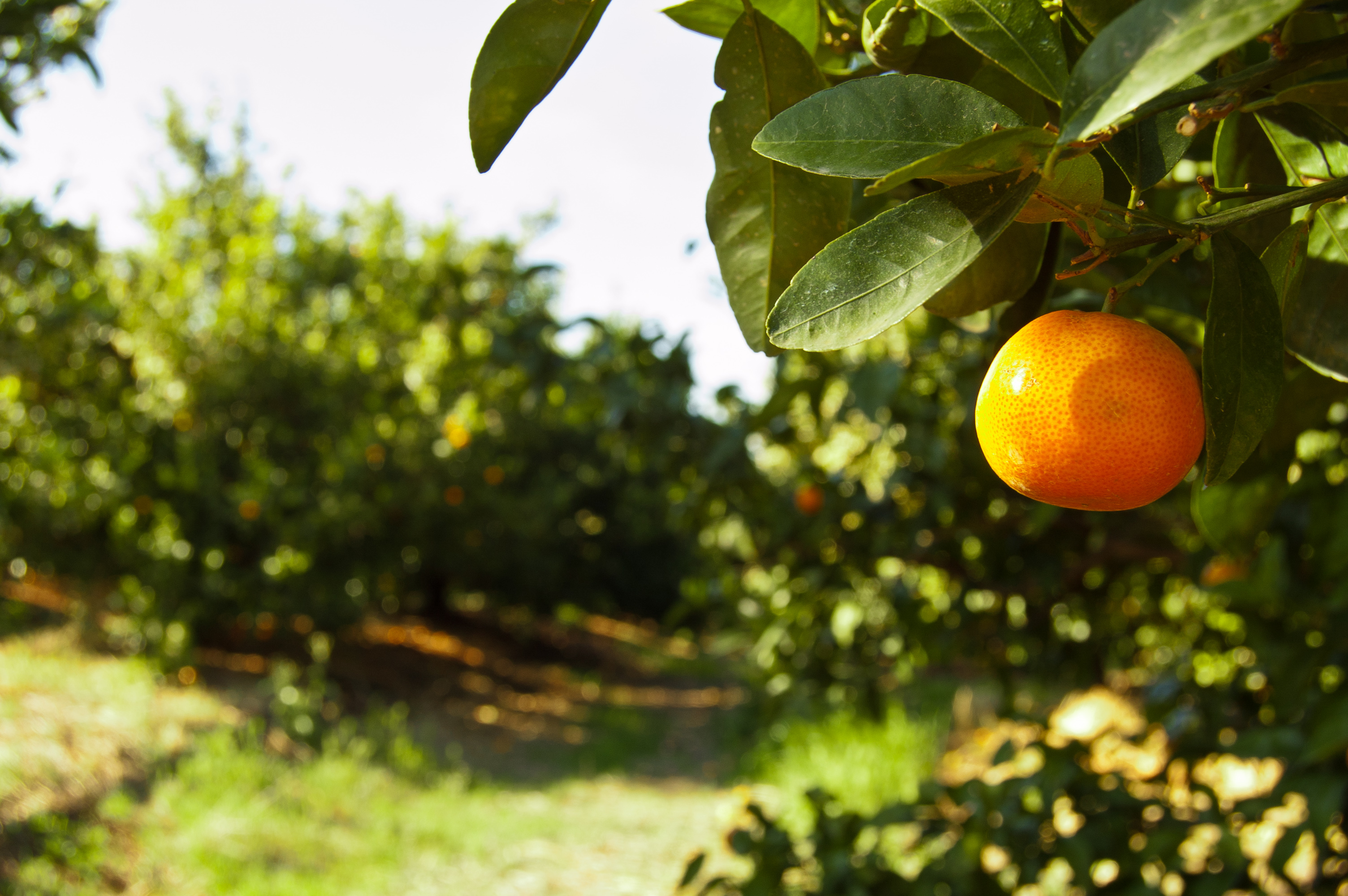
The mandarin tree (Citrus reticulata) is a small tree that can grow up to 3 meters tall and can be thorny to a greater or lesser extent. Its leaves have a noticeable fragrance, are elliptical in shape, and have a slightly winged petiole. The flower, much like those of other Citrus species, has five white petals and around 18 stamens. The fruit is slightly flattened, with an easy-to-peel orange skin. Inside, it has a network of white fibres and sweet, juicy pulp.
This species, originally from China, was first cultivated in Europe in the 19th century, with a focus on the Mediterranean regions because of their favourable climate. In the Iberian Peninsula, the Levantine coast is the traditional area for growing this crop, although it has also spread to other regions with mild climates.
It requires warm temperatures, ranging from 25 to 33°C. Below 13°C, its yield decreases, and it starts to suffer damage at temperatures as low as -2°C. Similarly, at 39°C, the plant stops growing, and at temperatures above 50°C, it begins to suffer. In terms of soil requirements, it generally doesn't have many issues, except in very clayey, highly calcareous or saline soils. However, the soil should be regularly enriched with compost. Sandy soils promote better tree structure, larger fruit size, and a more developed root system. Like many other crops, it thrives best in soil with a pH between 6 and 7, with the acidic limit at 4 and the alkaline limit at 9. When it comes to irrigating these crops, they need between 30-40 litres of water per day for blanket irrigation. If the irrigation system is more targeted, the water volume is reduced. Also, considering the soil requirements mentioned earlier, the water must be of good quality to avoid high salinity levels or excessive lime. Its planting frames, which are smaller than those of the orange tree, range from 4.5 x 4.5 metres to 5.5 x 4 meters, with an average density of 400-550 trees per hectare.
The primary use of this crop is the harvesting of its fruit, the mandarin, which offers many health benefits. In addition to being rich in vitamin C, mandarins help prevent fluid retention, aid in burning calories, eliminate toxins and unstable molecules from the body, and improve digestive system function, among other benefits. Despite the strong fragrance of its leaves and flowers, they are not typically used, with those of other citrus species being more commonly used.