

Puntos de Interés

Vegetation
Almond tree (Prunus dulcis)
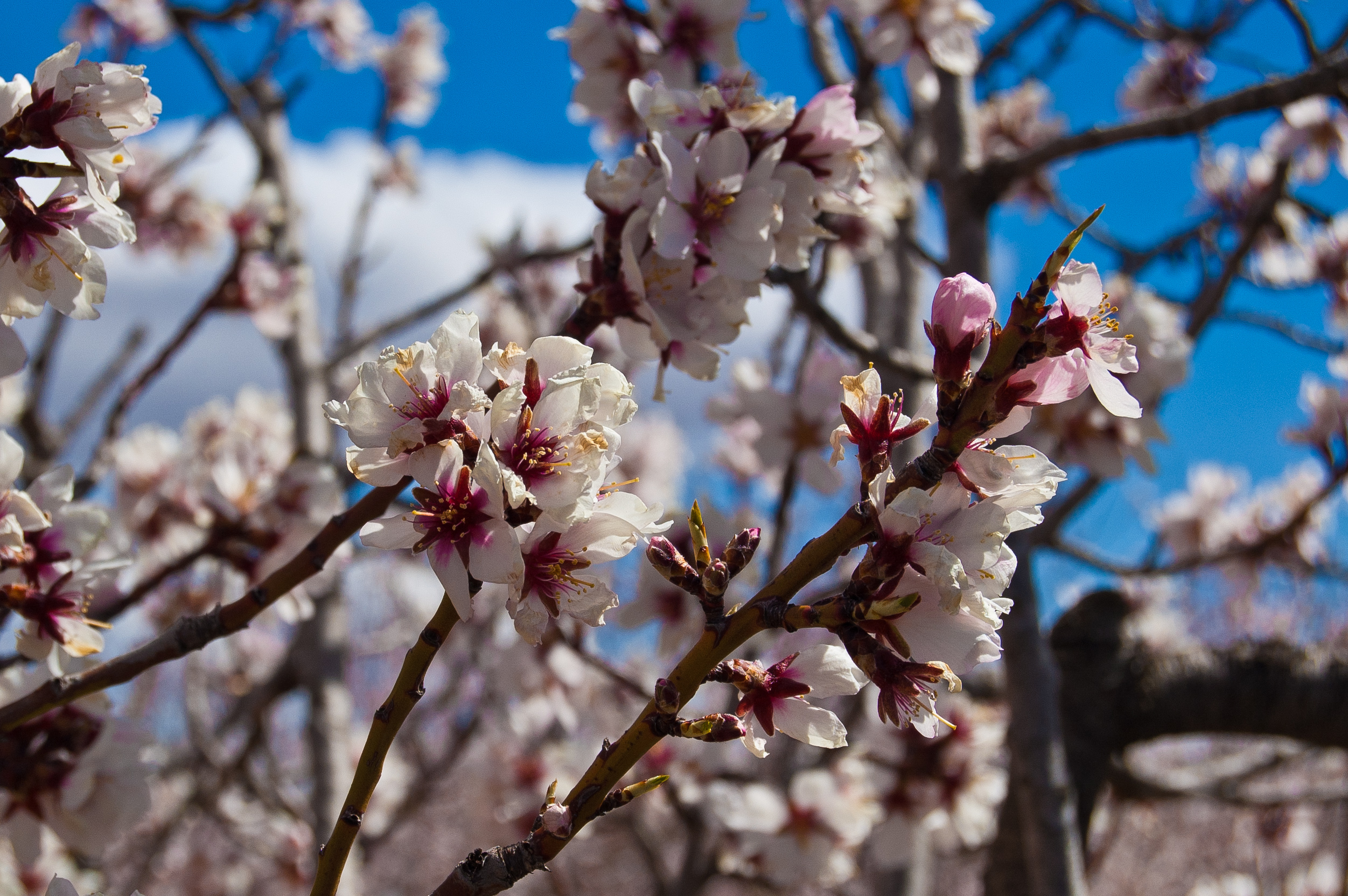
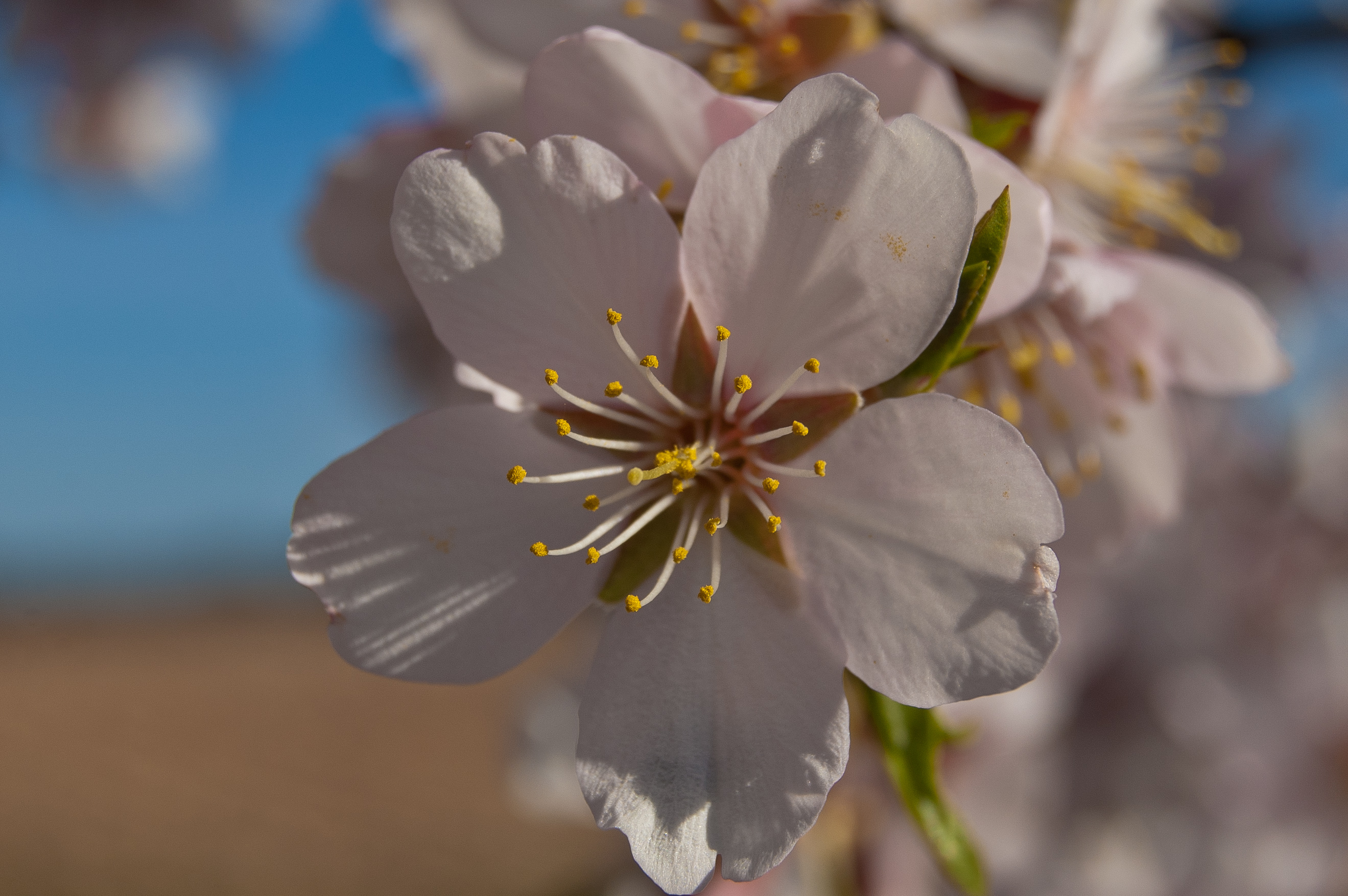
The almond tree that can grow up to 8 m tall and its trunk is usually cracked and becomes blacker as the tree ages. Its leaves are deciduous and it usually flowers during the winter before the leaves come out. The fleshy part of the fruit is green which, once dry, falls away to reveal the seed, which is the almond. It is a species that grows best in temperate, dry and even somewhat arid climates, although it prefers limestone soils. It is a tree that does not tolerate frost. The almond tree is not native to the Iberian Peninsula, but is a tree from Southwest Asia and North Africa. It was introduced to the Iberian Peninsula in Phoenician times and was heavily distributed during the Roman period. It is abundant in Spain, especially in the eastern half of the country and in parts of Andalusia and the Balearic Islands.
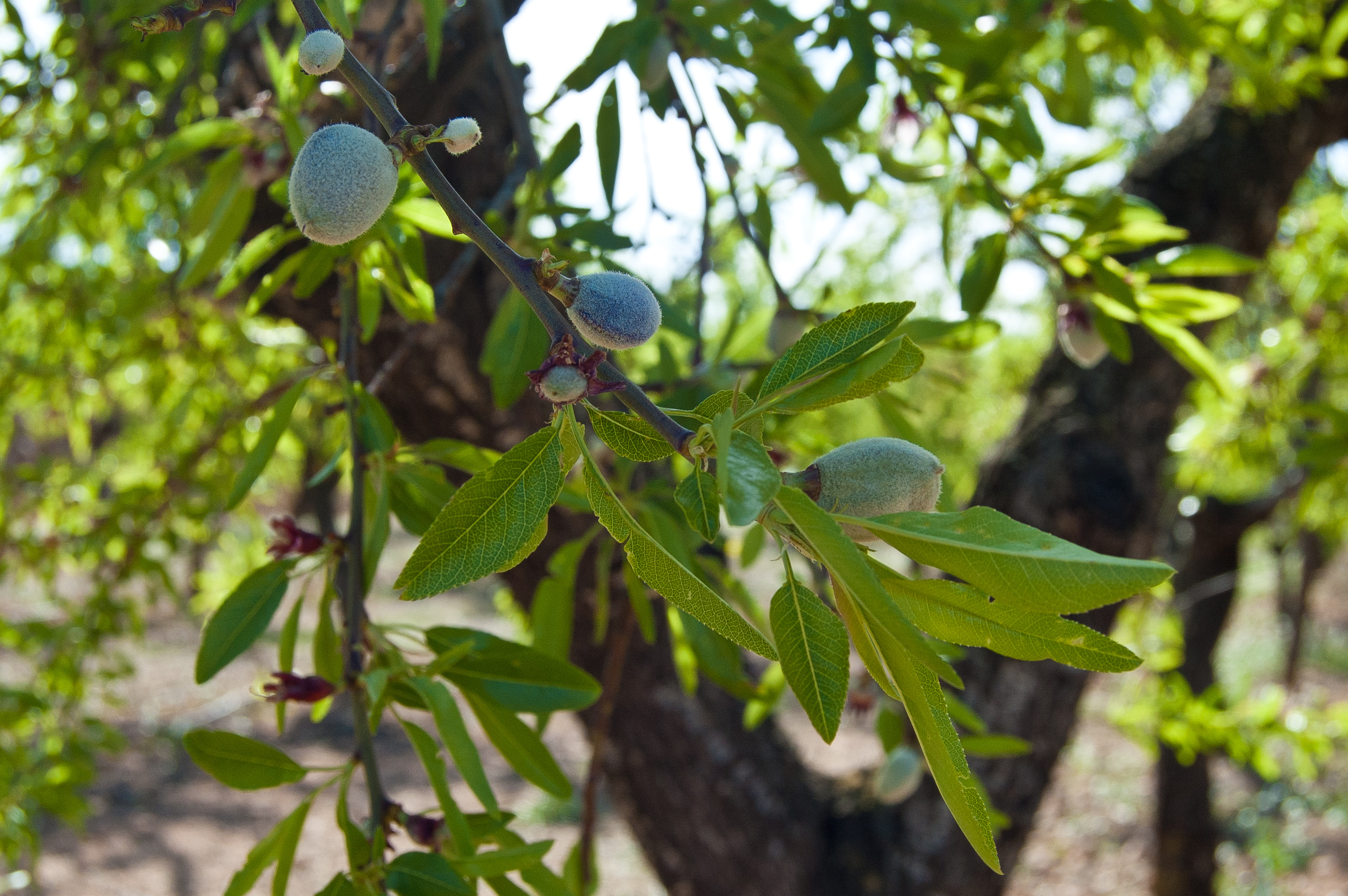
It is a species that is essentially cultivated for its seed. In fact, Spain is the second largest producer in the world behind the United States, which makes this species an essential tree in certain regions. The almond is not only used as part of the diet, but its extracted oil is used in cosmetics, its green cover used as fodder and its shell used as fuel. In terms of its wood, it has a reddish tone and a hard texture that does not crack easily, making it particularly suitable for cabinetmaking.