


Puntos de Interés

Municipality
San Agustín
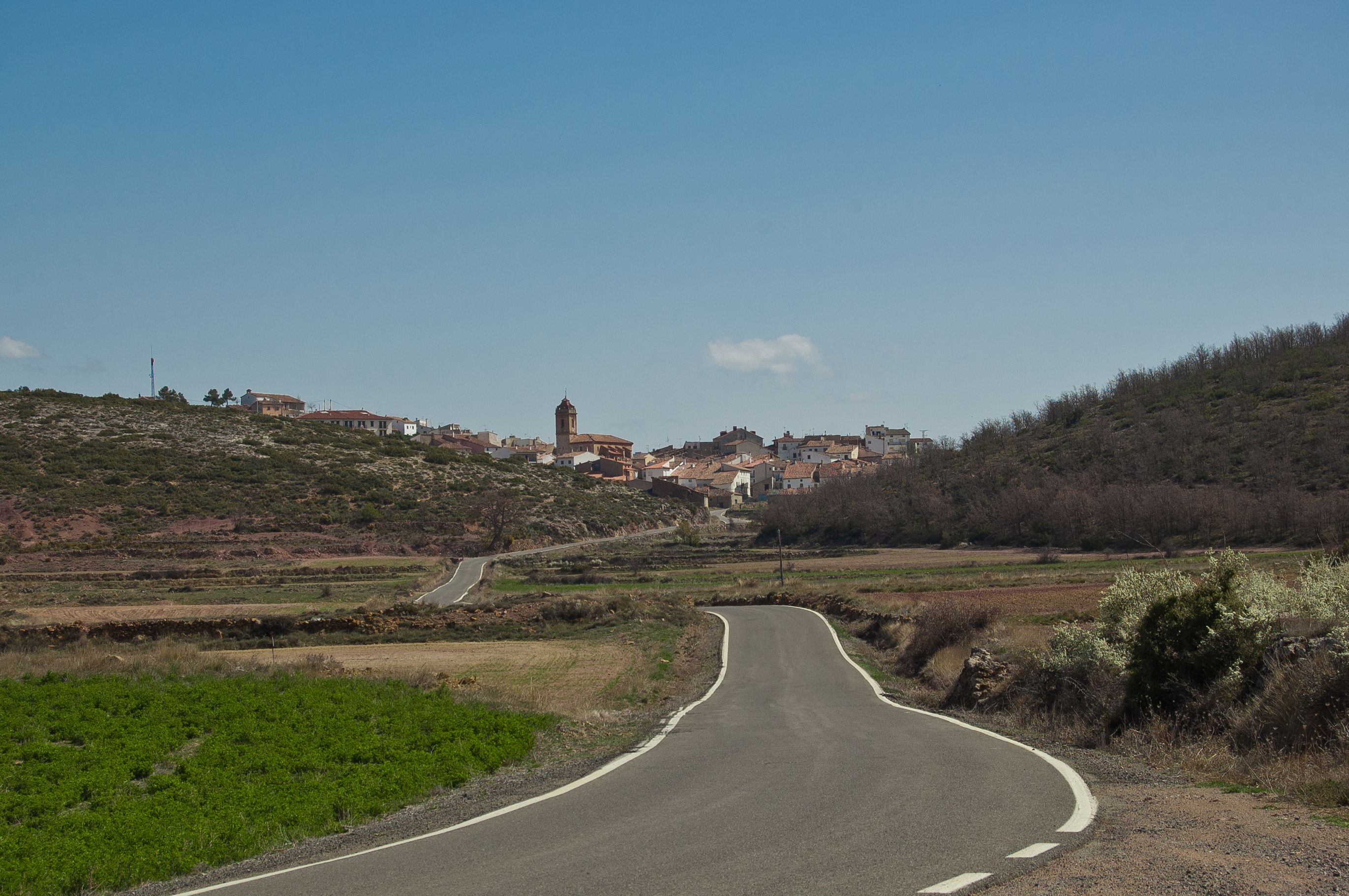
San Agustín is a municipality and village in Teruel, located in the south of Aragon, in the comarca of Gúdar-Javalambre region, to the left of the high plateau of the River Mijares. The village is located at an altitude of 959 m, and apart from the main town centre, there are several farmhouses and hamlets within the municipality.
Thanks to the Cerro de la Torre, a cluster of stones with archaeological remains, we have learned that the area was populated as far back as the Iberian period. It was also a transit point for other peoples and tribes such including the Carthaginians, who inhabited this area during the Punic Wars. In Roman times, the land around San Agustín was used as pasture for the flocks of the Roman city of Sagunto. In the Middle Ages the town came under Islamic rule until the 13th century, when it was taken by Pedro II, who annexed the territory for the crown of Aragon. Over the following centuries, the municipality continued to grow and develop, until the Carlist wars in the late 19th century, later the Spanish Civil War, saw significant damage to the municipality both in terms of its people and its heritage.
Religious buildings include the 17th century Baroque Church of San Agustín, with bas-relief decorative elements; the Shrine of San Agustín, in the early Gothic style; and the Shrine of Loreto y Peirones, built in the Baroque style and in front of which stands a peirón or wayside cross marking the entrance to the village. The town's civil architecture includes the fountain and the old washing place with three spouts decorated with lions' heads.
The municipality's economy has traditionally been linked to agriculture, mainly rain-fed crops, as well as livestock farming, mainly sheep and goats.
The key dates on the calendar for local festivals in San Agustín are those in honour of its patrons, San Agustín and La Virgen de Pradas, both of which are held in late August.