

Puntos de Interés

Hydrography
Mediterranean sea
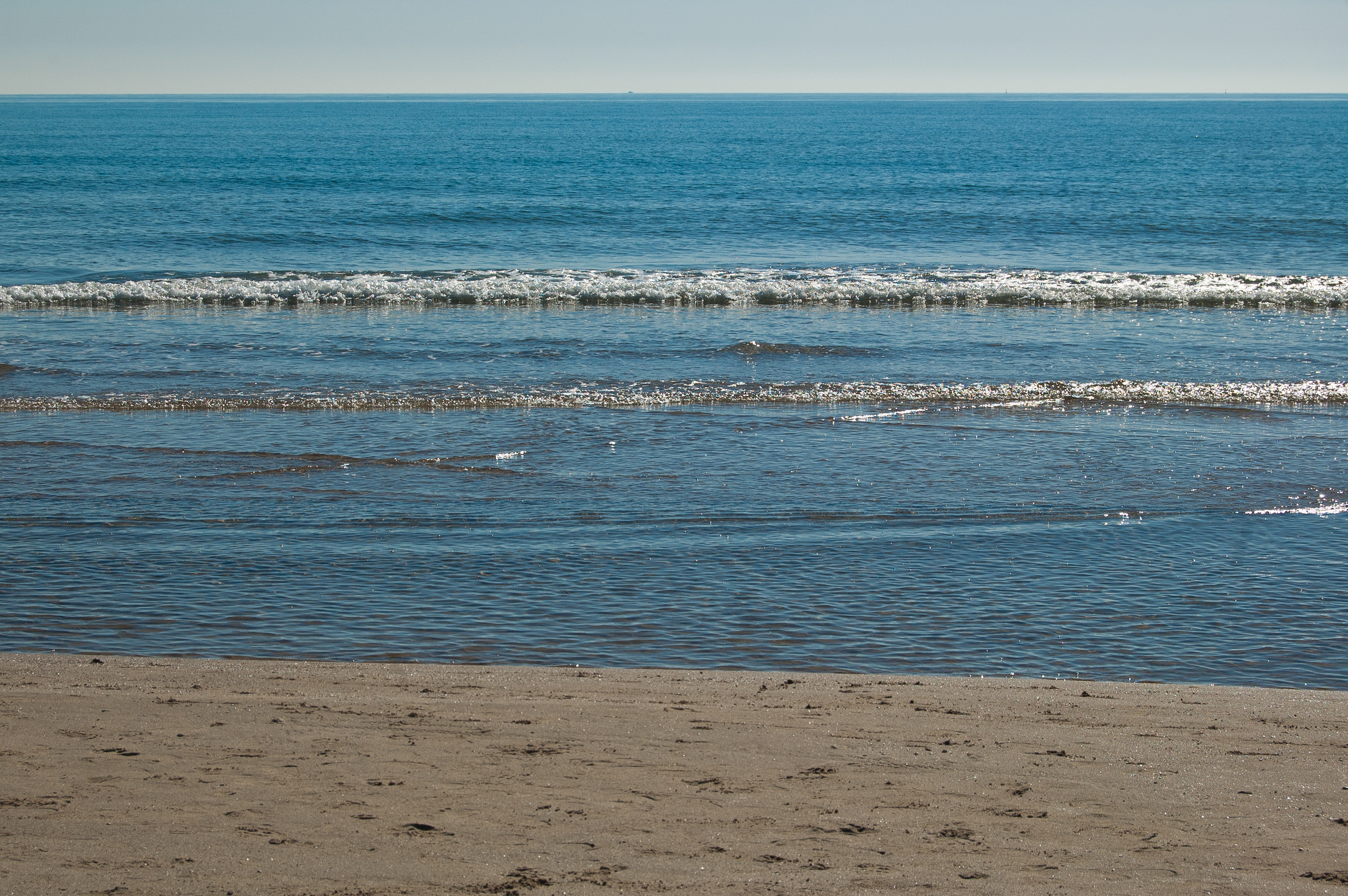
This vast sea spans three continents: Europe, Africa, and Asia. To the west, it is linked to the Atlantic Ocean by the Strait of Gibraltar. To the south, it connects to the Red Sea through the Suez Canal and its waves lap on the shores of 20 different countries. Covering around 2.5 million km² (excluding the Black Sea), this sea is divided into smaller seas, including the Alboran Sea, the Aegean Sea, and the Tyrrhenian Sea. With an average depth of about 1,500 metres and a maximum depth of 5,400 metres, the Mediterranean Sea influences the surrounding coasts. This results in milder temperatures, creating a climate known as the Mediterranean climate.
Throughout history, many empires, including the Phoenicians, Greeks, Romans, and Ottomans, have sailed these waters. The Mediterranean Sea has long been a central part of their story.
The Mediterranean Sea is home to remarkable marine diversity, with over 10,000 aquatic species. Although most of them come from the Atlantic Ocean, such as the killer whale (Orcinus orca) or the bottlenose dolphin (Tursiops truncatus), there are other species native to this sea, such as the monk seal (Monachus monachus) or the Mediterranean mussel (Mytilus galloprovincialis). The Mediterranean Sea is home to a rich variety of ecosystems, including coral reefs, posidonia meadows, and deep trenches. These unique habitats are shaped by the sea's warmer temperatures and higher salinity. Although it covers just 0.7% of the Earth's surface, the Mediterranean Sea is home to about 9.8% of the world’s marine diversity.
Puerto de Sagunto Beach stretches 1.300 metres long and averages 150 metres in width. It holds several certifications that highlight its environmental significance. The beach features a well-preserved dune belt that not only helps maintain the beach but also provides a vital habitat for the development of the valuable and endangered dune ecosystem. Dunes are mounds of sand formed by the wind, constantly shifting in shape and position. On the east coast, these dunes are under serious threat. To protect their structure and the creatures that live there, access platforms, like wooden walkways, are essential to prevent damage from the constant flow of visitors. Many plant species, especially those found in dunes, are unique to these sandy formations. They have special adaptations that help them thrive in the tough conditions of the dunes, gradually stabilising the sand mounds.