

Puntos de Interés

Municipality
Barrio Centro Minera Sierra Menera
In 1902, the Cortes granted exploitation of the mines in the Ojos Negros area to the Compañía Minera de Sierra Menera, but it would not be until a year later that open-cast and gallery mining began.
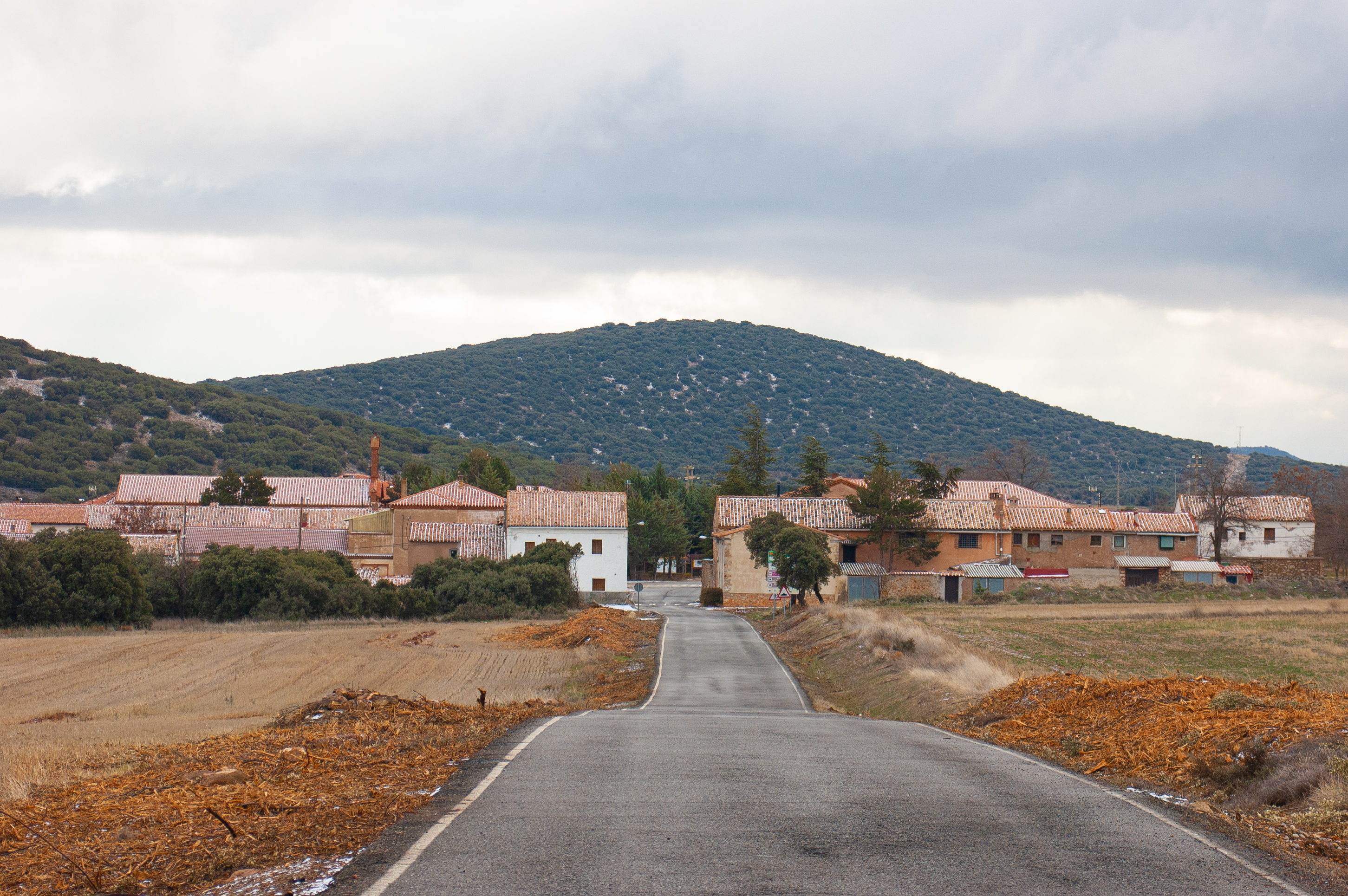
To work the mines, the company had an average of around 1,000 workers, 100 of whom were under the age of 18. To accommodate so many people, various settlements were built featuring all kinds of infrastructure.
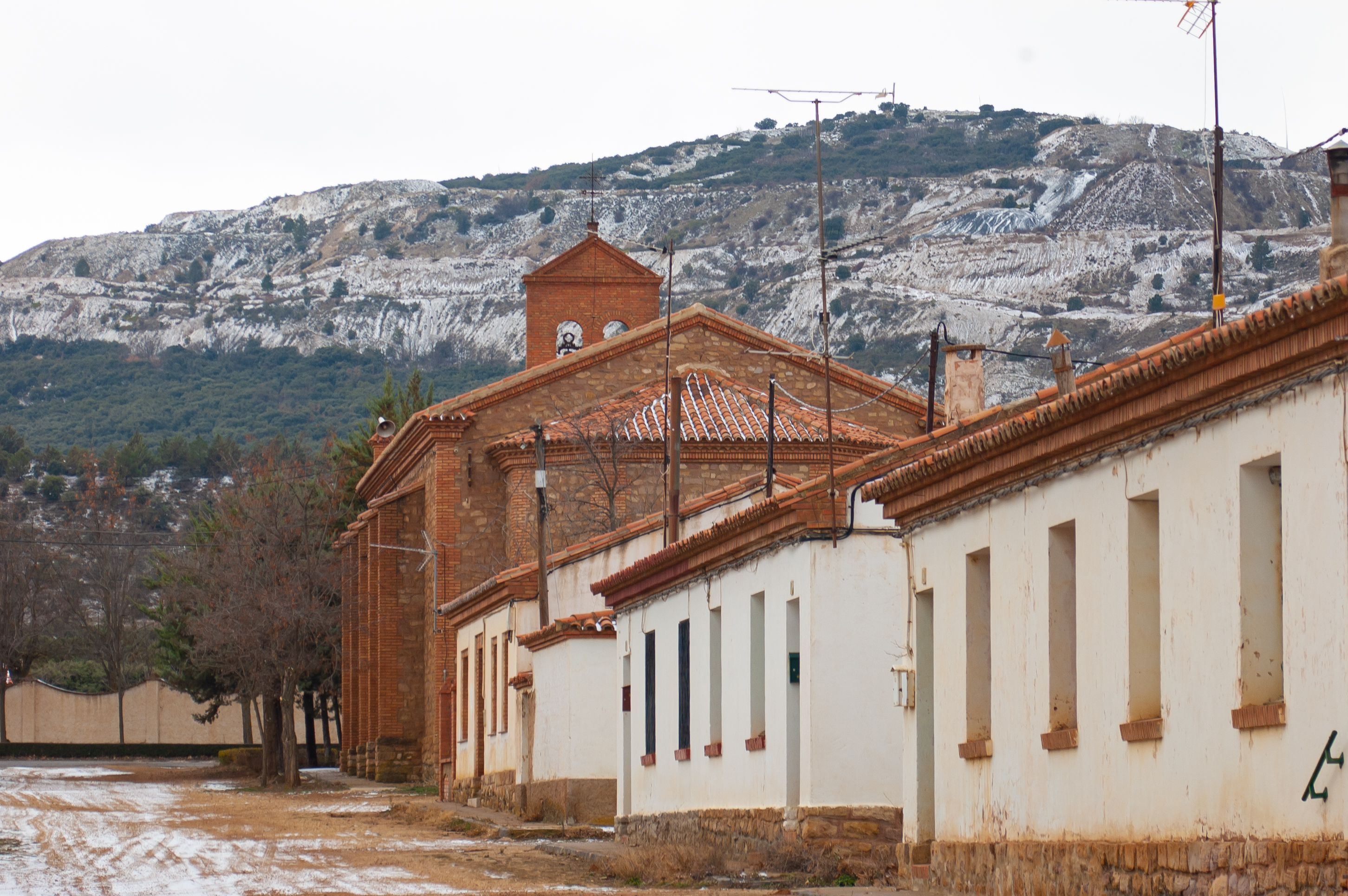
One of them was this Centro neighbourhood. It was the largest of them all. It is the neighbourhood with the most houses. Several identical semi-detached dwellings were built on the site. They were single-storey houses with a gabled roof. They were all aligned to form broad streets and were meant for the workers.
Furthermore, other two-storey dwellings were built to serve as residences for senior officials, along with public buildings such as the church and a casino where workers could relax in their leisure time.
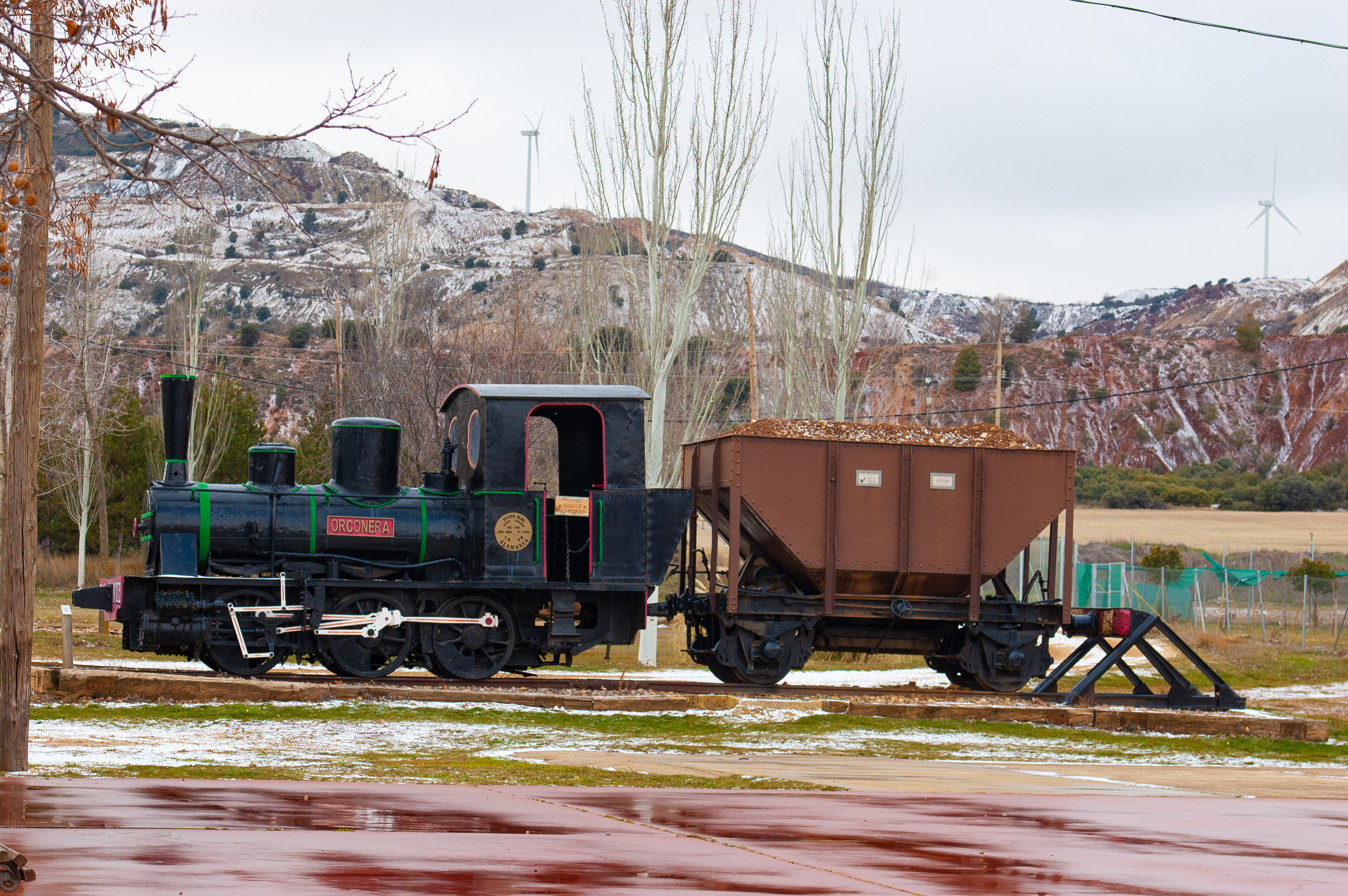
The Compañía Minera also built a commissary, the schools, a swimming pool and several offices. These services were clustered on one side of the neighbourhood by a road. Today, in this neighbourhood’s square, there is also an old locomotive that commemorates the railway’s passage through this area.
Very near this place is the mining area which still preserves the remnants of the mines that were not restored after the cessation of the activity.
A little further on, to the south of this site, there was another complex known as Casa-Gerencia, which housed the Compañía’s central offices and which is now in ruins, although the sign on its façade is still visible.
This type of settlement is an example of an industrial colony in the countryside built “ex novo” around the large plants of the time to provide accommodation for the company’s staff. Thus, the settlements built in Ojos Negros bear many similarities to the Catalan colonies that arose around the textile industry and other mining settlements.