

Puntos de Interés

Municipality
Ojos Negros
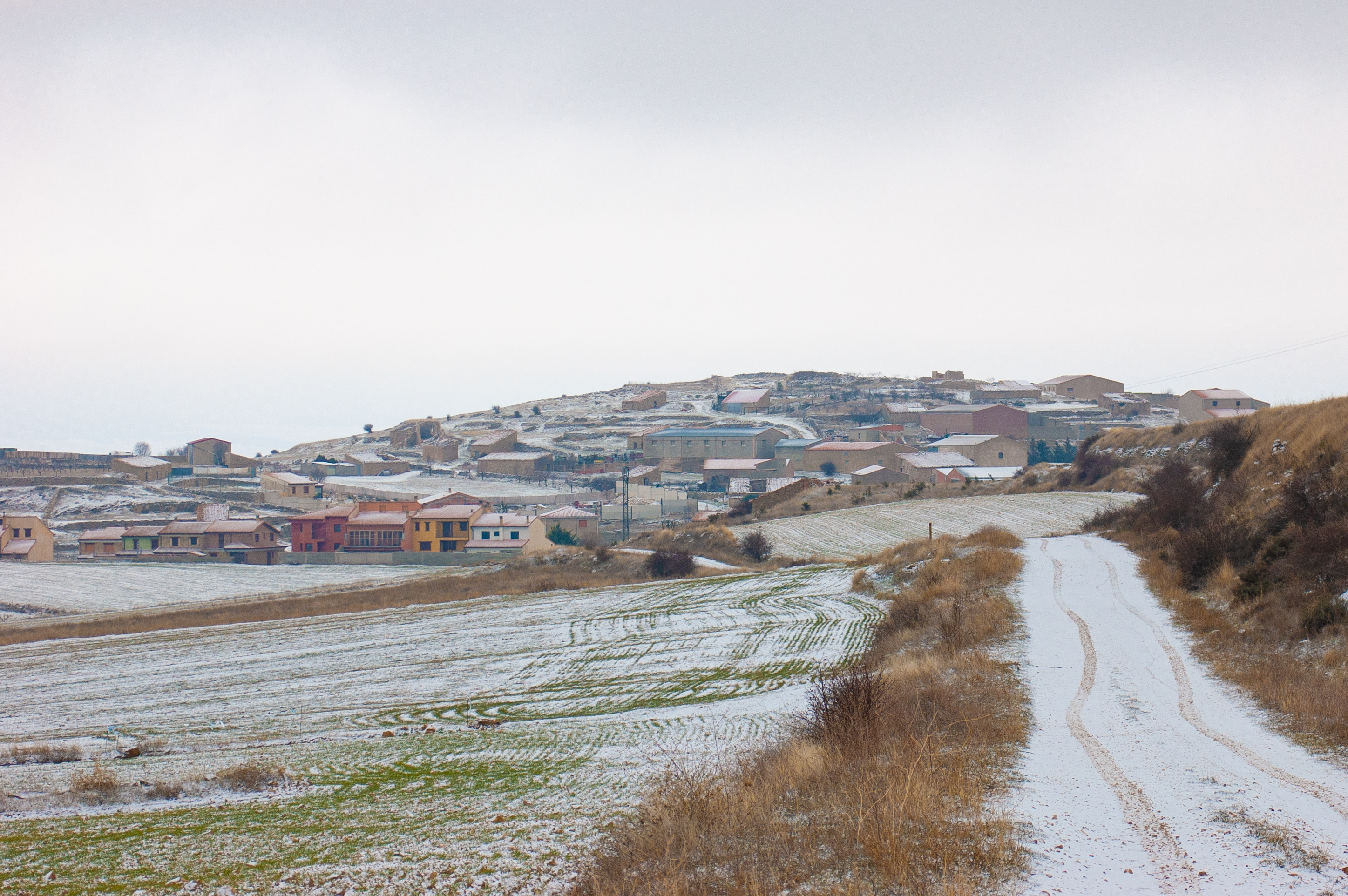
Ojos Negros is a village in the District of Jiloca, in the province of Teruel.
Located 73 km from the provincial capital, this village has two built-up areas, Ojos Negros and the Sierra Menera neighbourhood, both of which are between the River Jiloca Valley and the foothills of the Sierra Menera.
As regards the origin of the village, several Iberian and Celtiberian sites have been found in the municipality, the most significant being Cerro de las Salinas and El Santo. Roman and Muslim settlements are also known.
The first documented appearance of Ojos Negros is from the 12th century, when it appeared as part of the archpriesthood of Daroca. In 1248, under the reign of Jaime I of Aragon, after the establishment of the Comunidad de Aldeas de Daroca, Ojos Negros was separated from the village and became part of the Jiloca Sesma. In the 16th century, the village was strategically important as a border territory between the kingdoms of Castile and Aragon, when it became part of the defensive belt of the Comunidad de Aldeas de Daroca.
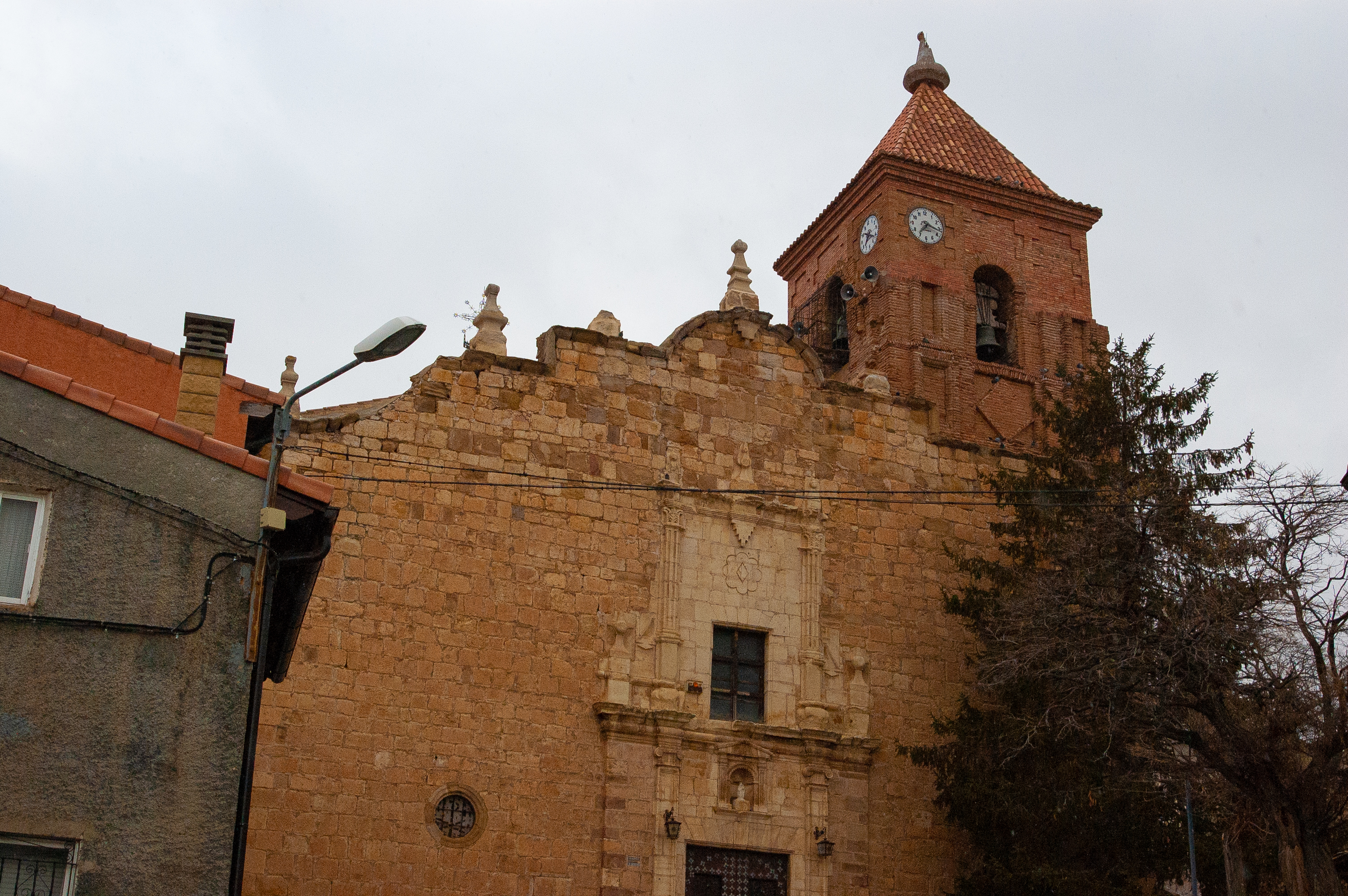
In terms of the town’s religious heritage, the parish church of Nuestra Señora del Pilar, which was built in the 16th century by Pierres de Nilo, is noteworthy. The church has three naves, which have a Latin cross plan and are covered with a barrel vault with lunettes.
Another highlight is the Romanesque Santa Engracia hermitage, which is in the main square and was built in honour of the patron saint of the village. As is the Cristo de Herrera hermitage, an 18th century temple built on the deserted medieval village of Herrera, which was abandoned in the late 14th century. Other hermitages in the village are the San Pascual hermitage, the Virgen de los Dolores hermitage and the San Roque hermitage.
The civil heritage includes the ruins of Ojos Negros Castle, built in the late 13th and early 14th centuries on the territorial border between the former kingdoms of Castile and Aragon. Visitors can also see a fully-restored Mediterranean windmill dating back to the 16th and 17th centuries.
The so-called “Barrios Mineros de Sierra Manera” is a clear example of the municipality’s mining past, where there are various buildings linked to iron mining, which was essential to the area’s economy in the 20th century, and which reached its peak with the railway line between Ojos Negros and Sagunto, between 1904 and 1907, which has a total length of 204 km.
Within the natural environs of the village are the Salinas del Rey salt mines, which may date to the Celtiberian period, and which were worked until the mid-20th century.
The most important festivities are the patron saint festival in honour of Santa Engracia, which is held in the second fortnight of August. The traditional Santo Cristo de la Herrera pilgrimage, which takes place during the Santa Cruz festival on the first Saturday in May, is also renowned.