

Puntos de Interés

Infrastructure
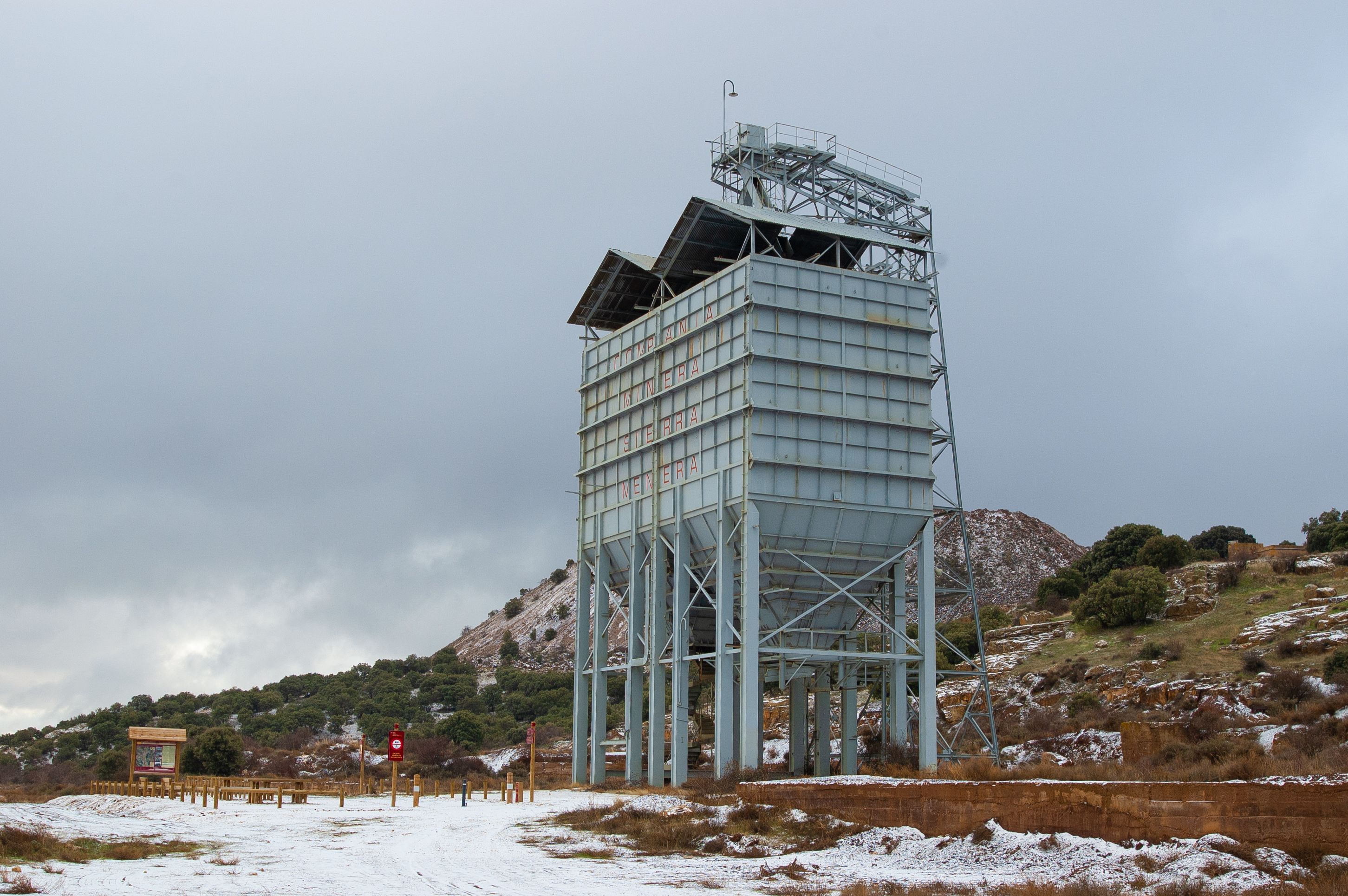
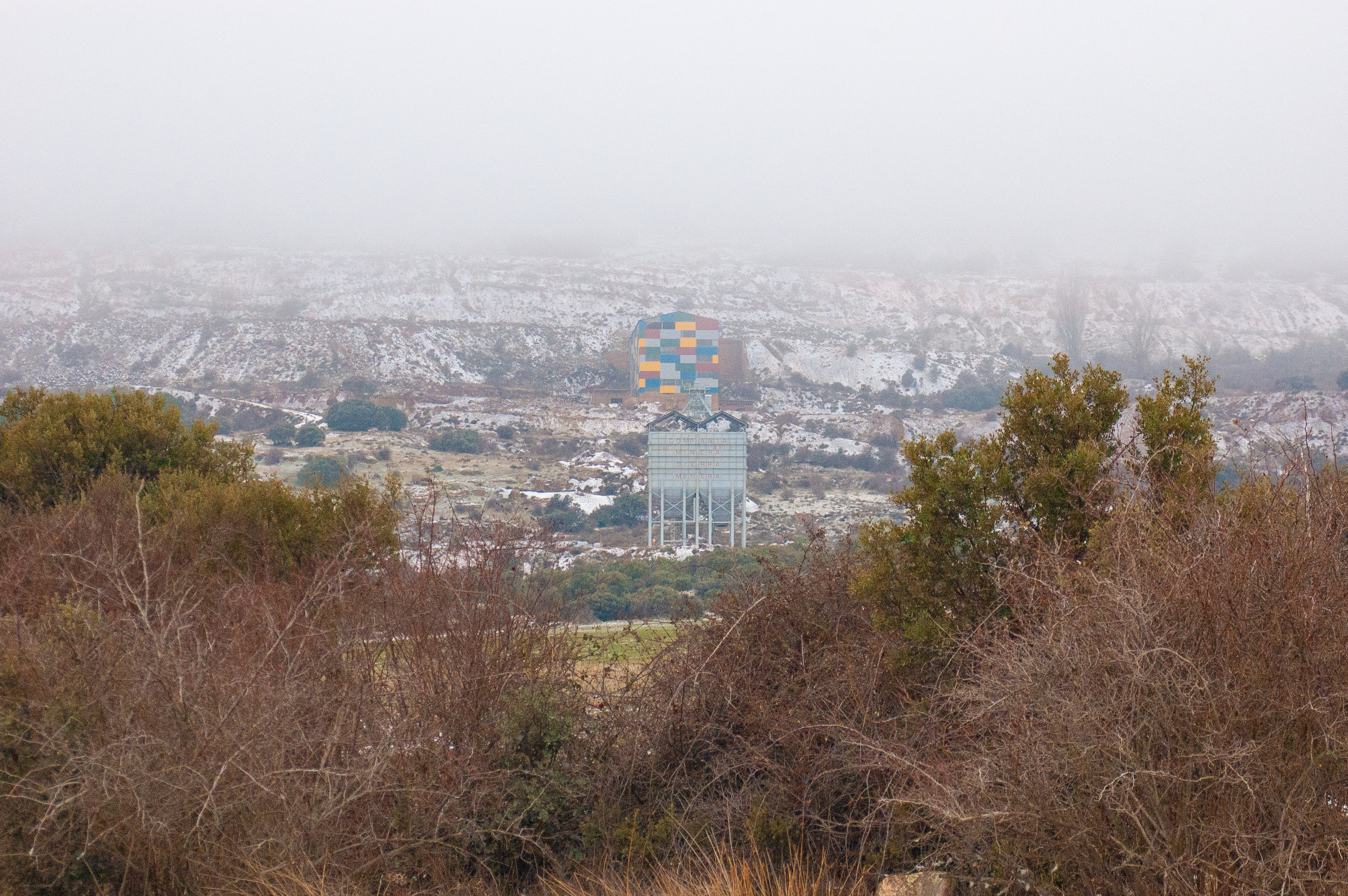
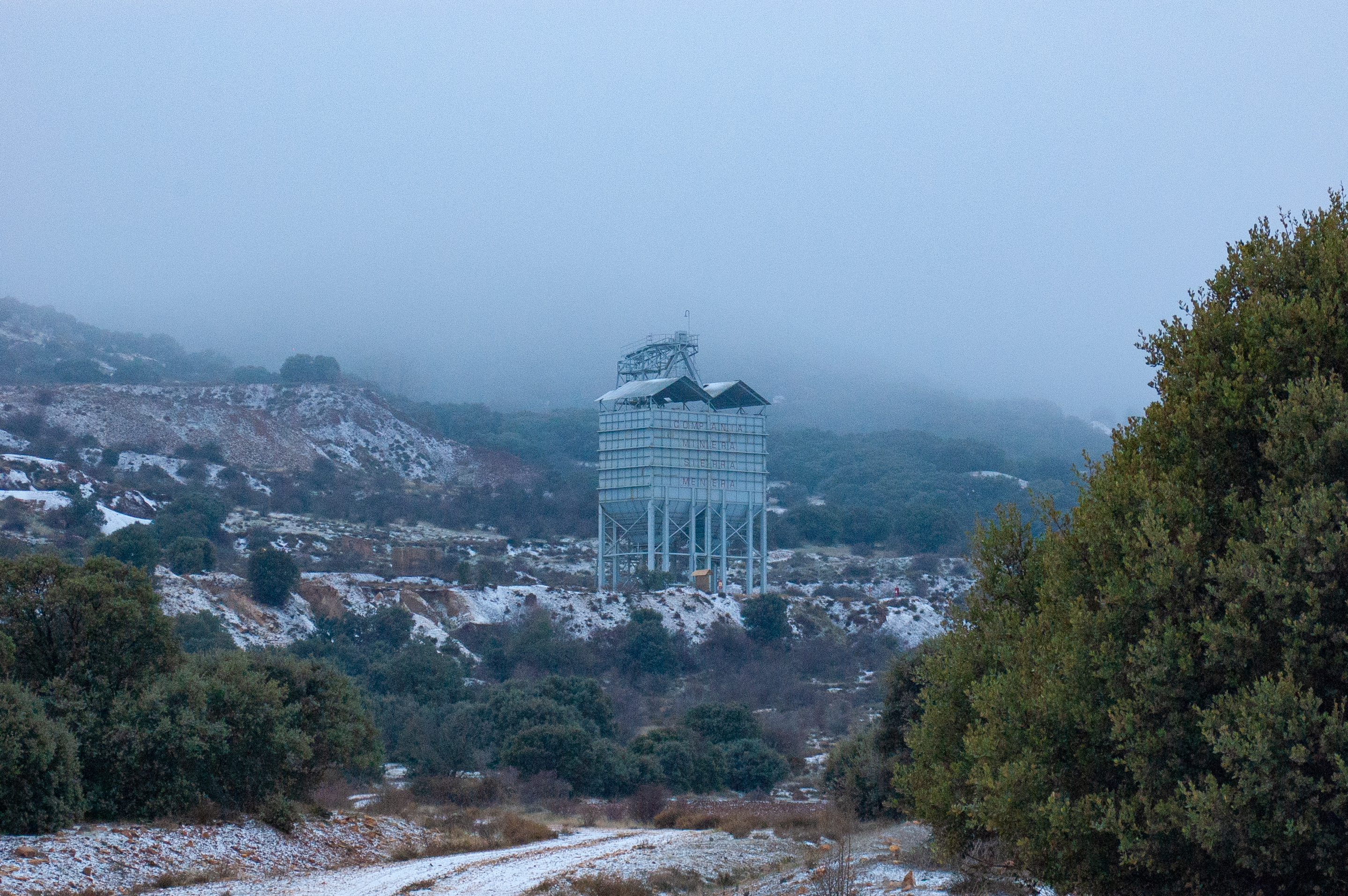
Former Compañía Minera Sierra Menera (CMSM)
Several legends have been told about the hermitage, such as one that recounts the disappearance of the village of Ferreras, after a storm that completely devastated it as divine punishment for having served as a refuge for evildoers and bandits, thus the Cristo de la Banda (Christ of the Band) appeared as the protector of the good people.
It was one of the main mining companies in Spain, with its own railway line, nicknamed “tren minero” (mining train), which carried the extracted ore, and a jetty in the Valencian town of Sagunto.
The Compañía Minera de Sierra Menera was founded on 3 September 1900 by Basque businessmen Eduardo Aznar de la Sota and Ramón de la Sota. This company gained a concession of almost 1,500 ha of land to work, for 60 years.
The company’s business activity focused on extracting iron ore, and it later added the construction of its own railway line, to carry the ore, and of a jetty, which is now in the town of Puerto de Sagunto.
Just six years after the company’s foundation, it accounted for 10% of the nation’s iron production.
Various crises in the sector and in the metal and steel industry forced the Sierra Menera mines to cease operating in 1986, which ultimately led to the company’s dissolution in September 1987.
As regards the Ojos Negros-Sagunto railway line, the mine was near the route of the Calatayud-Valencia line, but the high fees levied by the Compañía del Ferrocarril Central de Aragón forced the CMSM to build another parallel track, of approximately 204 km in length, to carry the ore. This new route was built between 1904 and 1907, and remained in service before being closed in July 1972.
The so-called “Barrios Mineros de Sierra Manera” clearly illustrate the mining past of the Teruel municipality of Ojos Negros.
In this area there are various linked to iron ore mining, an essential activity for the area’s economy in the 20th century. And they are all part of the village’s industrial heritage, hence this complex has been declared a Monument of Local Interest.
Today, one of the old loading hoppers has been turned into a viewpoint.