

Puntos de Interés

Municipality
Manchones
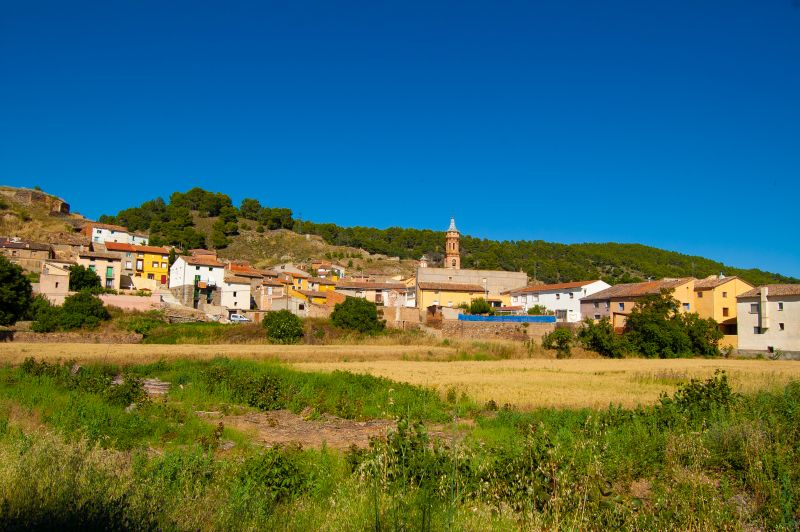
Lying on the right bank of the River Jiloca, at an altitude of 756 metres, Machones covers 26.8 square kilometres and has a population of under 150 inhabitants, known as “manchoneros”.
To seek the origins of this village, we must go back to the ancient Comunidad de Aldeas de Daroca (Daroca Community of Hamlets), a former district of the Kingdom of Aragon, which it joined in 1248 according to a privilege of King Jaime I of Aragon, forming part of the River Jiloca Sesma (“Sixth”, as the divisions of the Community are known). According to the locals, Manchones may refer to the name given to the area where plants grow in the fields, or to the part of the arable land left uncultivated once a year to provide pasture for the livestock.
The hallmark of this village is, without a doubt, its picturesque village centre, which lies in a valley where, from the church onwards, the houses are clustered together, built with rammed earth and brick and ashlar stones, on different levels. This area is known as La Rambla.
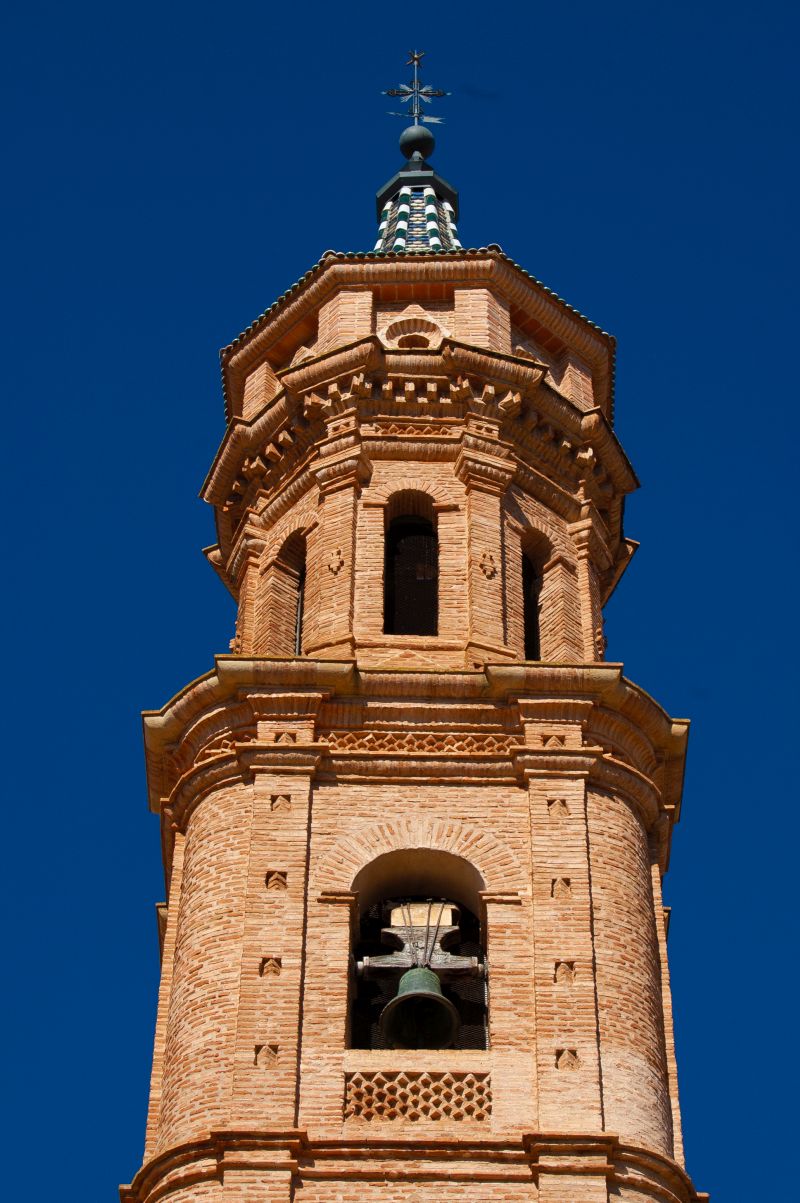
As for the most important heritage elements in this municipality, the parish church is a highlight. This large church is dedicated to the conversión de San Pablo (Saint Paul’s conversion) and has a Latin cross plan with three naves, lunette vaults and an octagonal dome over the crossing. It has a singular, recently restored, bell tower, a wood-carved crucified Christ from the late 15th century, a Gothic chalice and its main reredos is made of unpolychromed wood with scenes from the life of San Pablo.
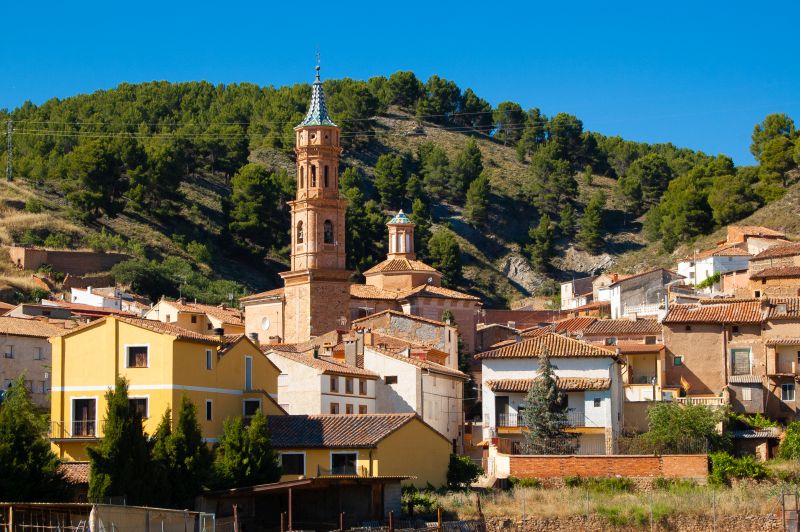
In this municipality, you can also visit the 17th century Virgen del Pilar hermitage, the San Roque hermitage and two beautiful fountains, which are considered to be among the most notable buildings in Manchones. One of these fountains is very near the river and has a triangular front supported by columns, while the other overlooks the centre of the village and also features a traditional washing place bearing the village’s coat of arms. Its wayside crosses also merit mention; they are at the entrances to the village: the San Gregorio Wayside Cross, on the old road to La Vega; the San Pablo Wayside Cross, on the road to Daroca and the San Vicente Wayside Cross, on the road to the Caminreal railway station.
As regards the natural aspects, Manchones offers attractive areas such as the surrounding hills, such as Vadeager, where there is a major Celtiberian site. We recommend you visit the Monteagudo irrigation channel, which runs along the right bank of the River Jiloca, the aqueduct over the railway line and a flour mill.
Taste the famous local preserves, made from meat, vegetables, fruit and even milk-caps, which are made according to tradition by the village’s housewives. its pastries and bread are equally famous. Pork products (such as chorizos, longaniza sausages, hams, black pudding with pine nuts and the wonderful figatells, which are normally made with raw liver) are particularly worth mentioning.
Manchones holds festivities in honour of San Vicente and San Pablo on the last weekend of January, as well as the patron saint festivities in honour of San Roque, lasting five days and ending with the saint’s feast day on 16 August. The day before, 15 August, the villagers partake in the pilgrimage to the shrine, beginning in the centre of the village and ending with a communal dinner in the village square.