
Puntos de Interés

Hydrography
River Duero
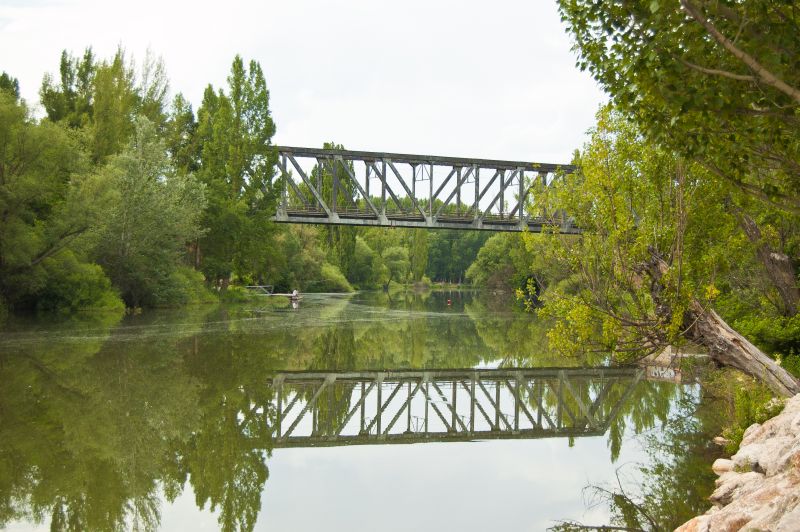
The River Duero is one of the most important waterways in the north-east of the Iberian Peninsula. At over 890 km long, it is the third longest on the Iberian Peninsula and one of the main river basins for our ecosystem. The Duero begins its journey at an altitude of 2,160 m, on the southern slopes of the Peak of Urbión in the municipality of Duruelo de la Sierra. Toward the end of its course, it enters Portugal, where it is known as the Douro, before entering the Atlantic Ocean at the city of Porto. In Spain, its course crosses the provinces of Soria, Burgos, Valladolid, Zamora and Salamanca, before crossing the border into Portugal.
On its passage through the province of Soria, where it rises, the river has proven essential for the development of the urban centres that have developed on its banks, including the city of Soria itself. Throughout history, the Duero has been the subject of many legends and its impressive natural landscape that has inspired writers like Antonio Machado, Gerardo Diego and Gustavo Adolfo Bécquer. The river flows past some of the most impressive landmarks and landscapes like the Shrine of San Saturio.
The rocky and abrupt nature of the orography surrounding the River Duero has meant that the surrounding landscapes have changed relatively little throughout history. The poor fertility of the surrounding soils has meant that the environment has largely retained its natural, rugged appearance. For centuries, industries of all kinds have sprung up along the banks of the river, including manufacturing industries, which make use of the energy produced by the watermills installed in the riverbed to transform hydraulic power. In many cases these infrastructures are no longer in use but some have been refurbished as recreational areas or cultural centres, offering visitors the chance to learn about the environment of the river. The Water Museum or Ecocentre is a great source of information and resources on the natural environment of the river.