


Puntos de Interés

Culture
Palace de Saldañuela
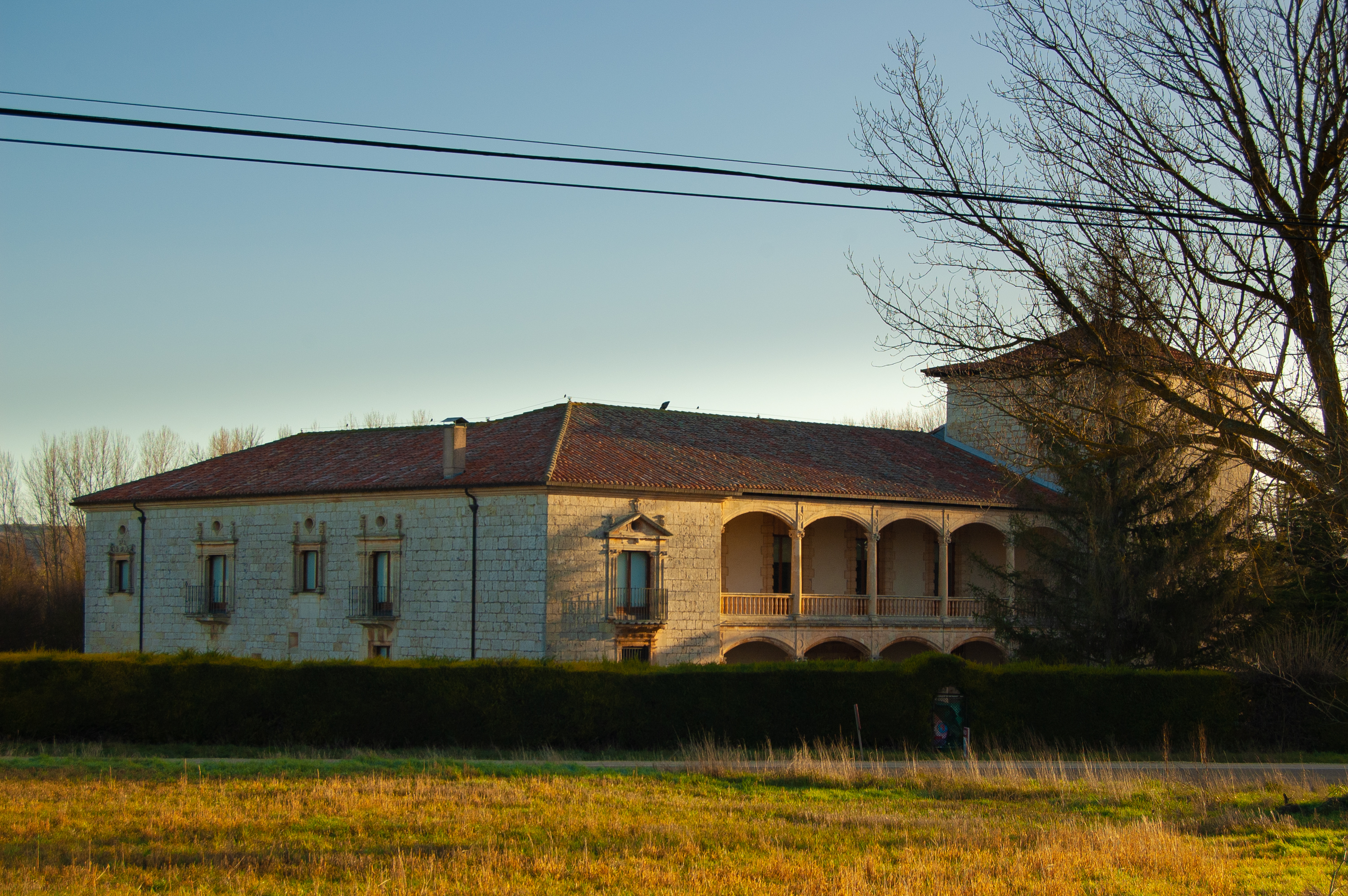
One of the most refined and beautiful buildings in the province of Burgos is the Palace of Saldañuela, a most remarkable examples of Renaissance architecture. Its construction dates back to 1562, after Isabel Osorio, mistress of Felipe II, acquired the manor of Saldaña, Sarravín, Olmos Albos and Cojóbar.
The oldest part of this building is a 14th-century tower that was used as the base for the later construction of the palace-house, a work directed by Juan de Vallejo, for which limestone was used and which was luxuriously furnished with tapestries and paintings following the Italian style of the time.
The palace was organised around a main courtyard, With three porticoed sides and segmental arches and a fourth side where the Fuente de las Gracias fountain was built, contained in a niche decorated with two Hermes figures. The cup, held by an atlante, collects the water that flows from three female figures, mythological representations of the Gracias, or Graces.
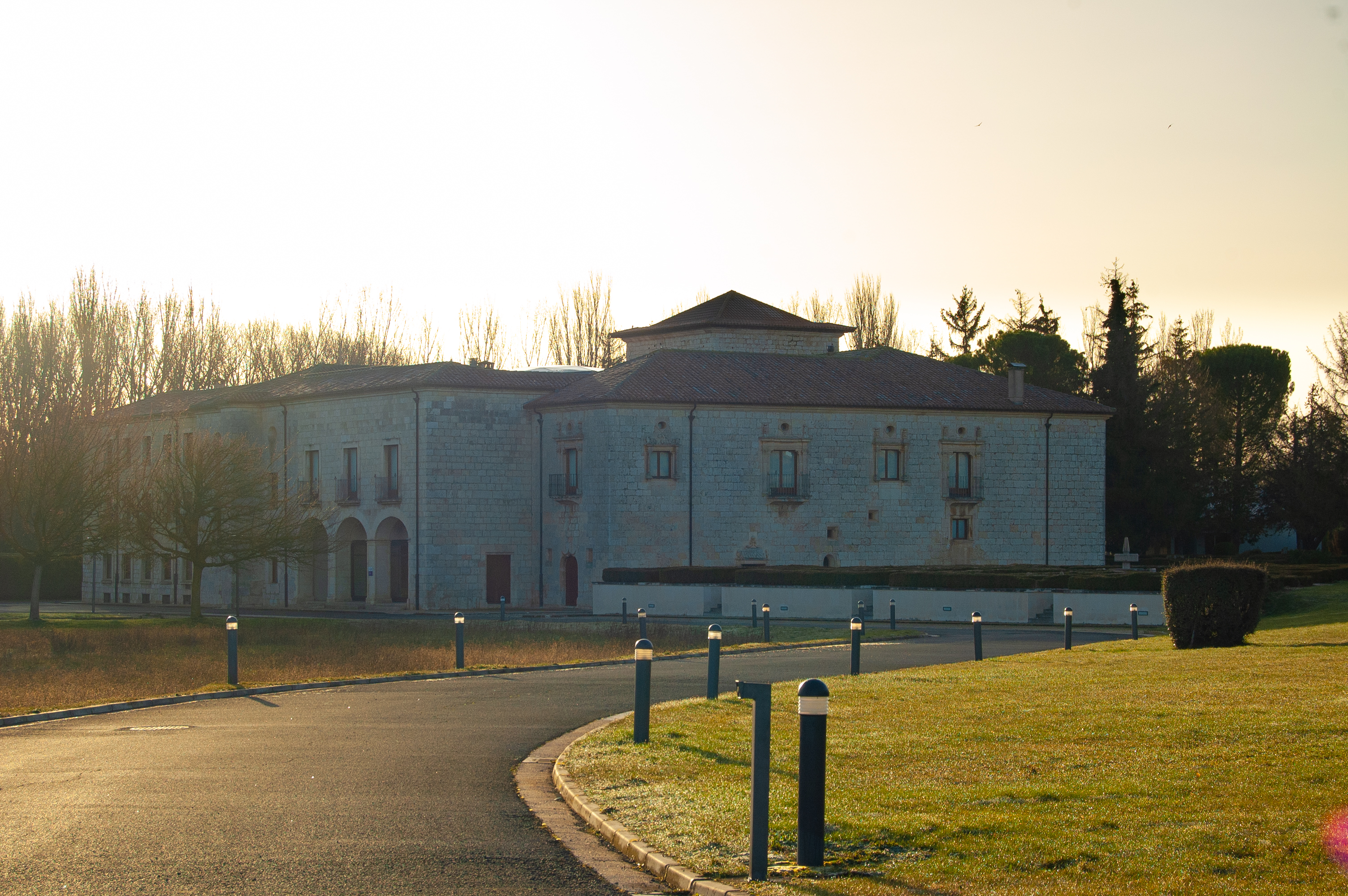
The arches, columns and capitals are outstanding throughout the building. It features a large staircase with four flights that connects the two floors and which is believed to have been built later than the rest of the palace, since it shows a more sober style with no decorative elements.
The decline of this palace began after a fire in 1788, which left the building partially destroyed. Its reconstruction would not begin until the early 20th century, when it was acquired by the Caja de Burgos savings bank. It was then completed and a new extension was added, although without affecting the original main building. Its current appearance reflects another refurbishment carried out in the 1990s by Pablo Puente.
The building was used for several years as an Agricultural Training School, although it is currently owned by the Caja de Burgos Foundation. It was declared a Protected Cultural Heritage site in 1931 and it currently houses the Caja Burgos painting collection, including the mannerist altarpiece by Juan de Villoldo, which is kept in the palace chapel.