
Puntos de Interés

Municipality
Valbuena de Duero
The town of Valbuena de Duero is situated on the right bank of the river Duero, from which it takes its name. The first part of the name could derive from "good valley". The property is located within the district of Peñafiel, in the province of Valladolid.
The town has a long history, with evidence of human habitation dating back to the Chalcolithic period. Archaeological investigations have revealed the presence of Bronze and Iron Age settlements, as well as Roman, Visigothic and Medieval elements.
The earliest references to the town date back to the period when the daughter of the Count of Armengol, Estefanía, received it as a donation from Queen Doña Urraca. However, this was later recovered by the Queen in 1143.
The town's principal religious building is the Church of Nuestra Señora del Castillo, a neoclassical structure erected in the 18th century. One of the most valuable items on display at this temple is a collection of exceptional 13th-century Franco-Gothic paintings. The building is situated in close proximity to the arch of the old town wall, which is still preserved and attached to it. It is also worth mentioning the 17th-century chapel dedicated to San Roque, of which only the façade remains. This modest temple was constructed in the 17th century and features a single nave with a groin vault roof.
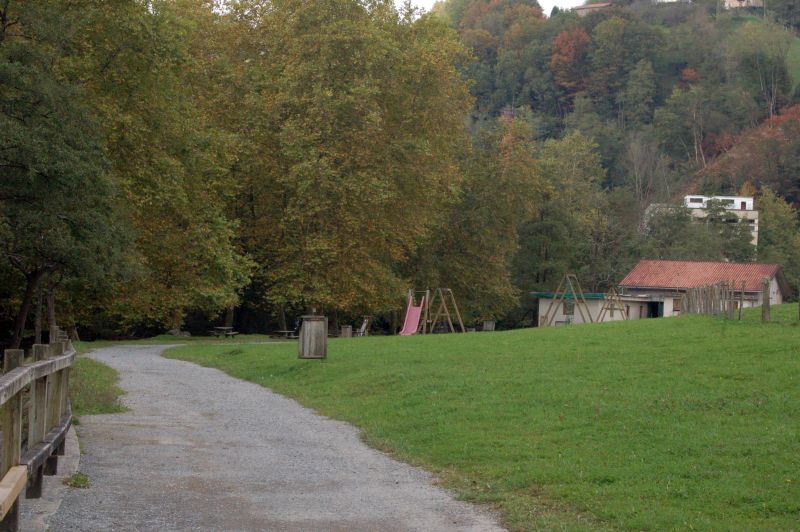
The town's advantageous location at the heart of the Ribera del Duero, coupled with its rich natural environment, offers a series of routes known as "El Anillo del Duero" and the Senda del Duero Nature Trail, which are easily accessible. Another noteworthy aspect is the natural enclave of "La Isla".
The town's festivities include those of Nuestra Señora de la Asunción and San Roque, held in mid-August, those of the Virgen del Rosario, which take place on the first Sunday in October, and those of San Sebastián, celebrated around 20 January.