


Puntos de Interés

Municipality
Almazán
Almazán is the second most populated municipality in the province of Soria, only behind the capital.
The village's name is derived from the Arabic term al-mahsan, which translates as "the fortified." This designation is attributed to the presence of a watchtower, which served as the foundation for the subsequent construction of the village's residential structures.
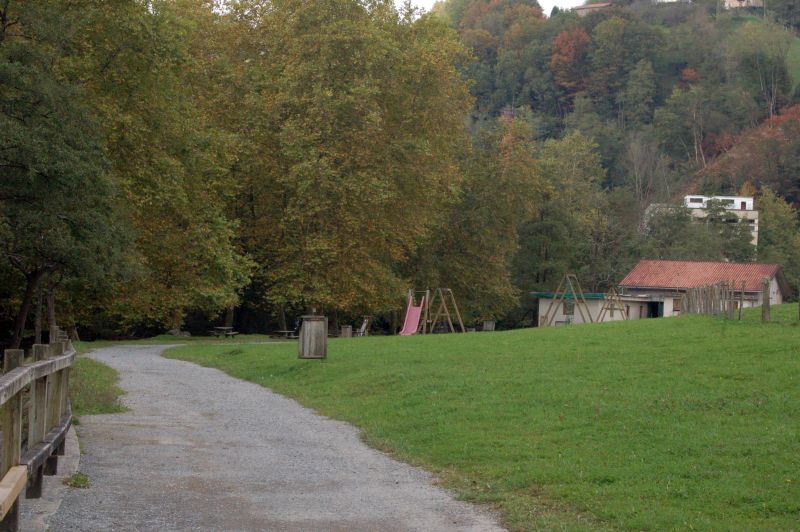
The municipality of Almazán has a rich history and cultural heritage, with a variety of historical, cultural and scenic attractions. The area's 166 km² of land encompass several notable landmarks, including the churches of San Miguel and San Pedro. The municipality boasts Nuestra Señora de Campanario and Santa María de Calatañazor; the convents of Clarisas and de la Merced; the chapel of Jesús; and the gates of the Villa, del Mercado and de Herreros. In addition to the Palace of the Hurtados de Mendoza, the Rollo de las Monjas and Paseo de Ronda, the Postigo de Santa María and the medieval bridge of Almazán. The municipality also boasts El Cinto, the Parque de la Arboleda, the open-air Contemporary Museum and the Aula de Cultura de San Vicente.
Two distinct human populations were identified in the area approximately 4,000 years ago. The Llanos del Guijar were inhabited by semi-nomadic shepherds, while on the Parpantique hill there was a small community of warlike inhabitants engaged in livestock farming.
Following the Christian conquest of the area from Muslim hands in 1128, the area was subsequently colonised.
In the late Middle Ages, Almazán enjoyed a period of prosperity due to its strategic location at the crossroads of the natural routes that linked Castile with Aragon and Madrid with the south of France.
During the Renaissance, Almazán underwent modernisation. However, following the unification of the peninsular kingdoms, the town began to decline. Its status as a commercial centre was lost, and it began to resemble a rural town.
In the 19th century, the village benefited from improved communications, which led to economic growth. The programme includes fairs, the renovation of medieval mills and the establishment of two resin distillation plants.
In the 20th century, the establishment of furniture factories and cardboard production facilities further accelerated this growth.
The patron saint festivities of Almazán are the Fiestas de la Bajada de Jesús, which are dedicated to Jesús Nazareno, the town's patron saint. The events take place between the last Thursday in August and the first Sunday in September.
One week prior to the commencement of the festivities, a procession is held in which Jesús Nazareno is transported from his chapel to the church of Nuestra Señora del Campanario. The Descent of Jesus takes place on the first Sunday in September, with the festivities concluding with a spectacular fireworks display in the Plaza Mayor.
The Zarrón Festival, scheduled for 17 May, and the Venatoria and Muestras fairs. The inaugural fête is scheduled to take place in early May, with a focus on hunting, fishing, and environmental issues. The second event is scheduled to take place on the weekend closest to San Isidro, 15 May. It will feature a fair of agricultural machinery, automobiles, handicrafts and food, which has been held since the 1960s.
Further information and details will be provided at the Visitor Reception Centre in Almazán, located on the ground floor of the Palacio de los Hurtados de Mendoza in the town's Plaza Mayor.