

Puntos de Interés

Municipality
Tardajos de Duero
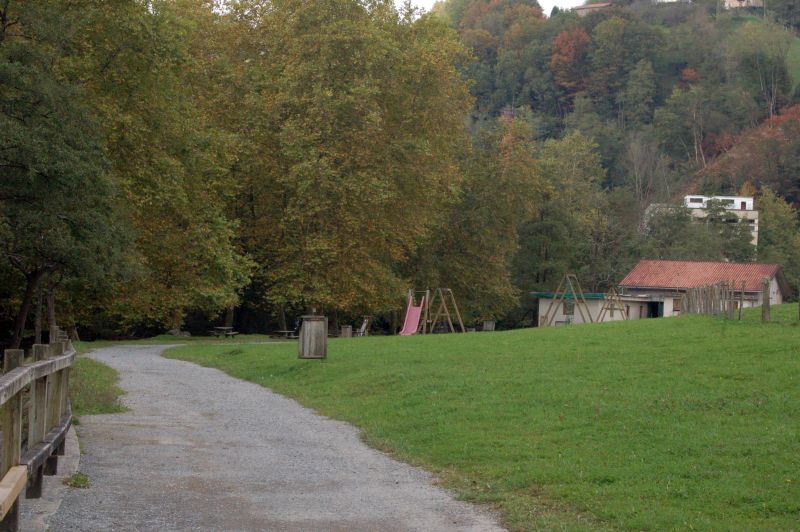
The village of Tardajos, situated 15 km from Soria, is in an area of meadows and fields. The town benefits from the waters of the Duero and has a long history of agriculture and livestock farming.
The area of Tardajos de Duero is home to two archaeological sites that provide insight into the region's early history. The first of these is the site of Santa María, located to the south of the town near the Duero River. The site houses the remains of an ancient settlement dating back to the High Imperial Roman period. The area differs from the rest of the territory in that it is a small area with reliefs covered with trees and vegetation, surrounded by a flat cultivated area. Conversely, the remains of the Majada de Tía Elena can be found on the opposite bank of the Duero River. The site comprises the remains of an earlier rural settlement, believed to date from the High Imperial Roman period.
As with the other towns in the area, Tardajos welcomed new settlers following the Christian reconquest of the territory. The property was owned by the Sexmo de Lubia in the Comunidad de Villa y Tierras de Soria, an area characterised by dry land with a great wealth of grain crops, sheep farming and a few head of cattle. Following the fall of the Ancien Régime, the village became a constitutional municipality known as Tardajos y Granjas. Furthermore, it would demonstrate the skill of the people in basket weaving.
The heritage of the area includes the Church of Bartolomé, although this church had to be restored in 2010 due to a fire that destroyed the roof and vaults. Furthermore, the course of the Duero river is home to the chapel of the Virgen de los Álamos.
Alternatively, you may wish to visit San Juan and Santamaría, where some archaeological remains are preserved, including some ancestral homes with the coats of arms of the Zapata family.
In the lower part of the village, visitors can gain insight into the local history by exploring the old washing place, which was once used as a place to wash clothes. The women used to meet there to discuss their shared interests. While there are still individuals who come here to wash large pieces of cloth such as sheets, the place has retained its status as a meeting point for younger members of the community. Two principal celebrations are held in the village. On 24 August, the patron saint fiestas of San Bartolomé takes place, and on 12 October, there is the pilgrimage in honour of the Virgen de los Álamos.