
Puntos de Interés

Culture
Castro Bergidum/Castro Ventosa
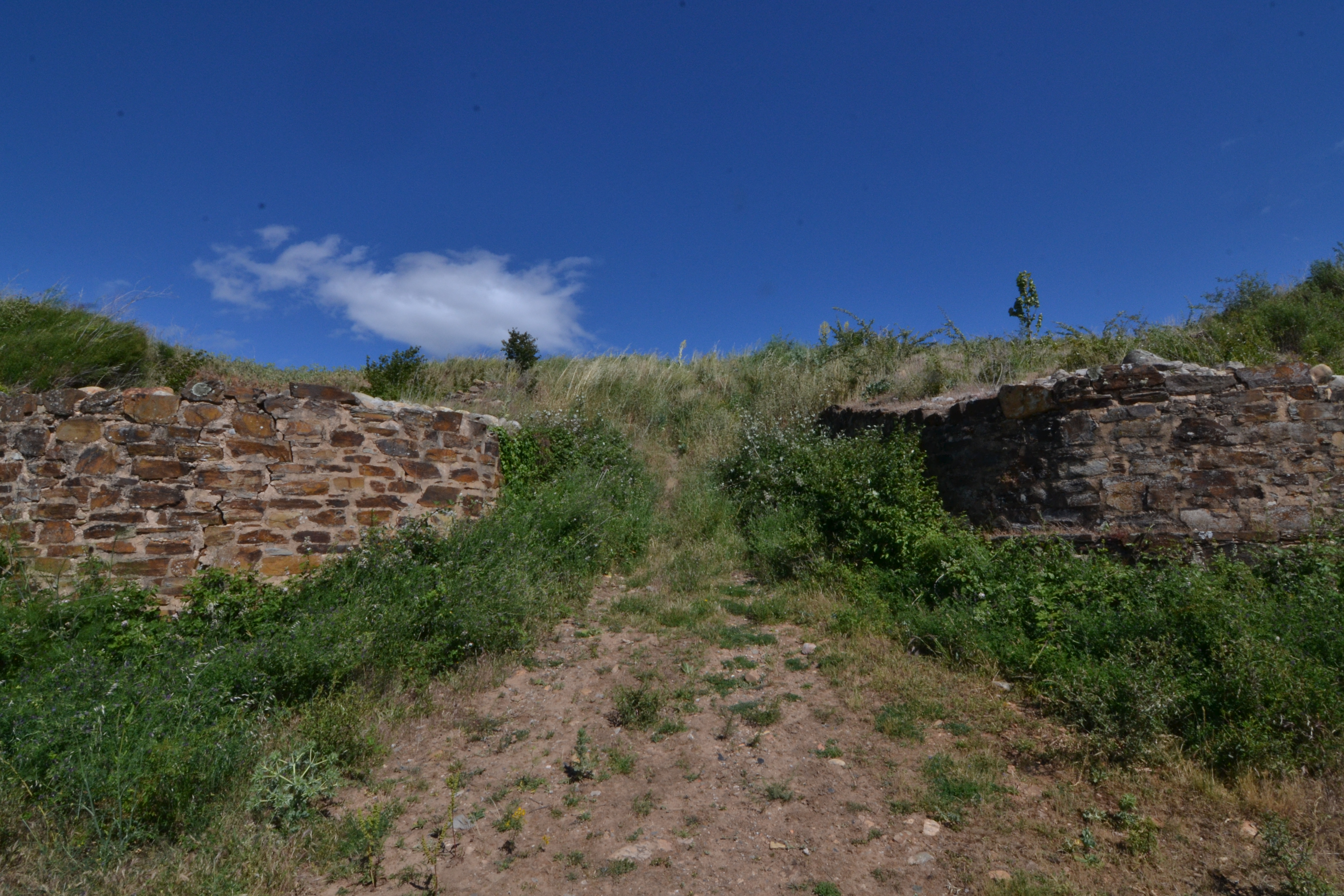
Castro Ventosa is one of the most important archaeological sites in the north-west of the Iberian Peninsula and one of the major historical landmarks of the comarca of El Bierzo. Situated on a hill some 638 metres above sea level, between the municipalities of Cacabelos and Villafranca del Bierzo, it commands a sweeping panoramic view over the Cúa river valley and the vast vineyards of El Bierzo – a strategic position that explains why it has been continuously inhabited for over two thousand years.
The origins of the settlement date back to the Iron Age, when the Astures founded the fortified town of Bergidum or Bergdunum here, which is regarded as one of the main centres of power in the ancient region. Following the Roman conquest during the Cantabrian Wars, the settlement was Romanised and came to play a major role within the communications network of north-western Hispania, becoming a prosperous city linked to trade routes and the exploitation of the region’s resources.
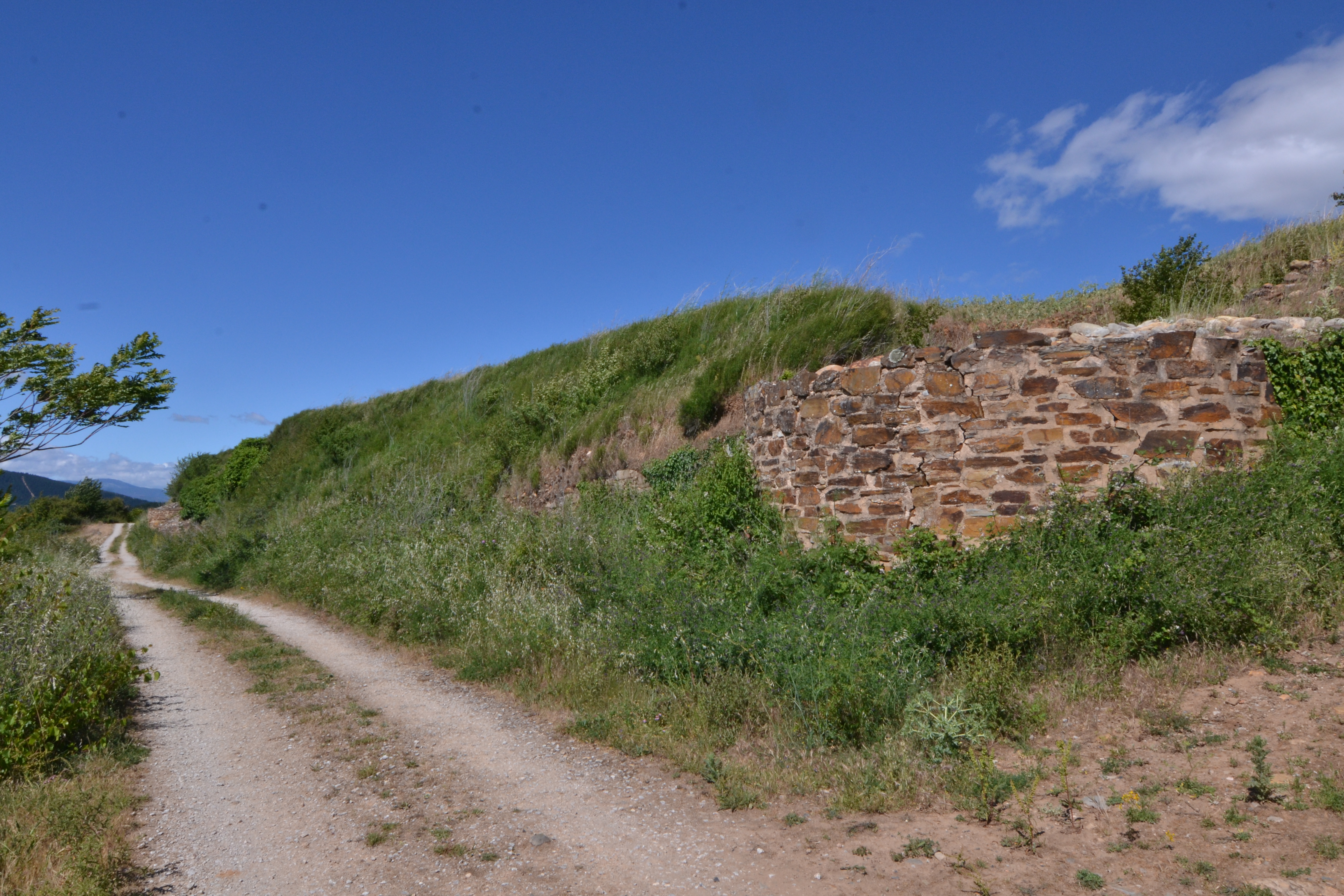
The most spectacular feature of the site is its wall dating from the Early Roman Imperial period, built between the 3rd and 4th centuries. It retains a perimeter of around 1,200 metres, with sections reaching a height of more than eight metres and several metres thick, making it one of the best-preserved Roman fortifications on the Iberian Peninsula. Its monumental scale has attracted the attention of travellers and researchers since the 18th century, and it was declared a Historic Monument in 1931; it is now protected as an Archaeological Site.
Within the site, remains of Castrean dwellings, Roman buildings and medieval structures have been documented, bearing witness to the site’s long history of occupation. Many of the artefacts unearthed during the excavations — pottery, fibulae, tools, querns and other everyday objects — are currently housed in the Archaeological Museum of Cacabelos.