


Puntos de Interés

Municipality
Quilós
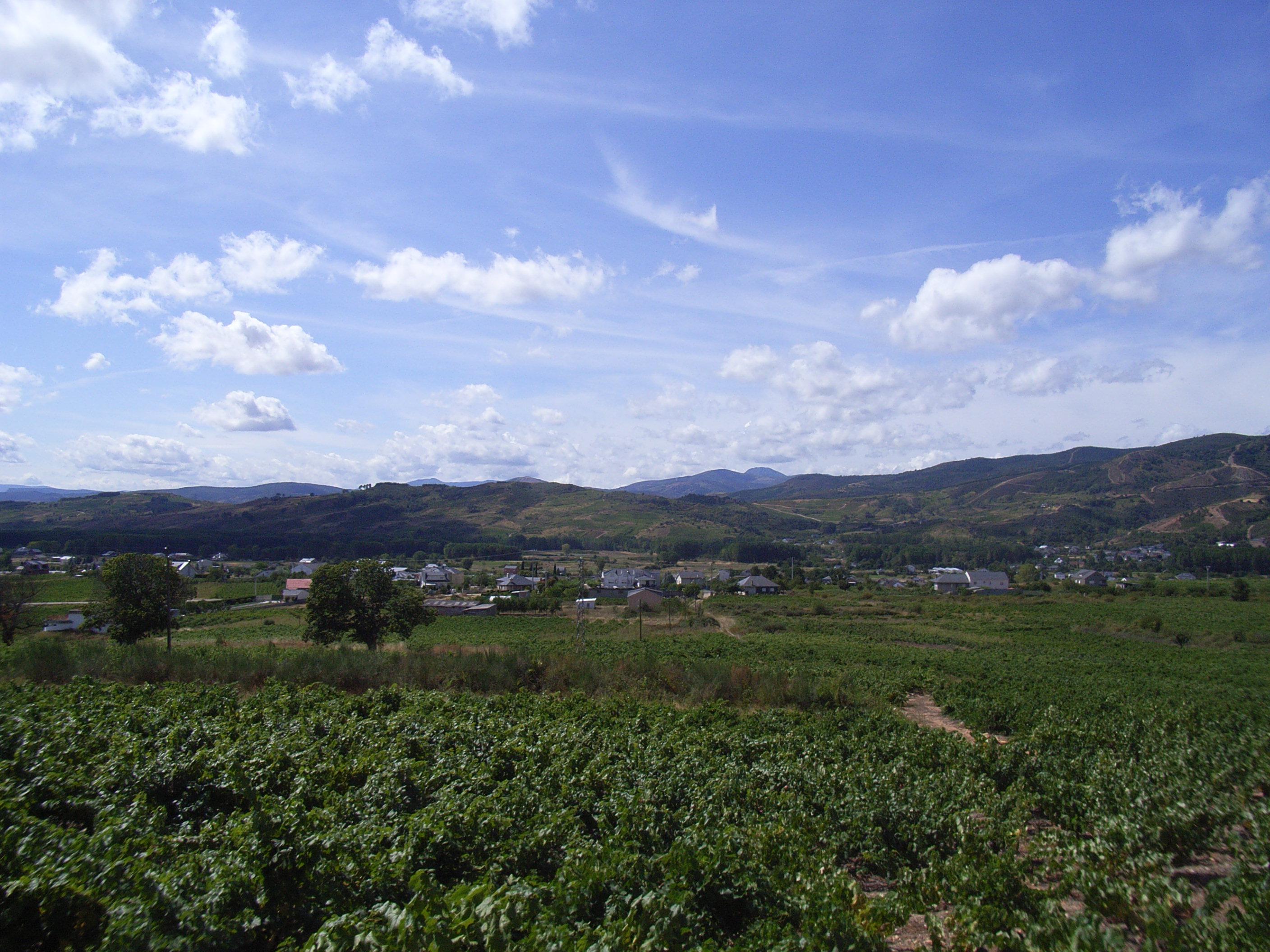
Quilós is a town located in Cacabelos, in El Bierzo region, popularly known as the "Venice of El Bierzo" due to the network of irrigation canals that criss-cross the area. These canals divert water from the River Cúa as it passes through El Muro Nuevo, significantly shaping the landscape and agricultural organisation of the area.
The name Quilós dates from Roman times and originates from the Castellum Queledini. Over time, this name evolved into Quilous during the 10th century. In the Early Modern period, the town became part of the Marquisate of Villafranca, which was inherited by the Count of Lemos. This marquisate was granted the town of Cacabelos by Archbishop Rodrigo de Luna in 1458, who had shortly before integrated the monastery of San Guillermo into the monastery of San Miguel de las Dueñas, together with Quilós, Arborbuena and Villabuena.
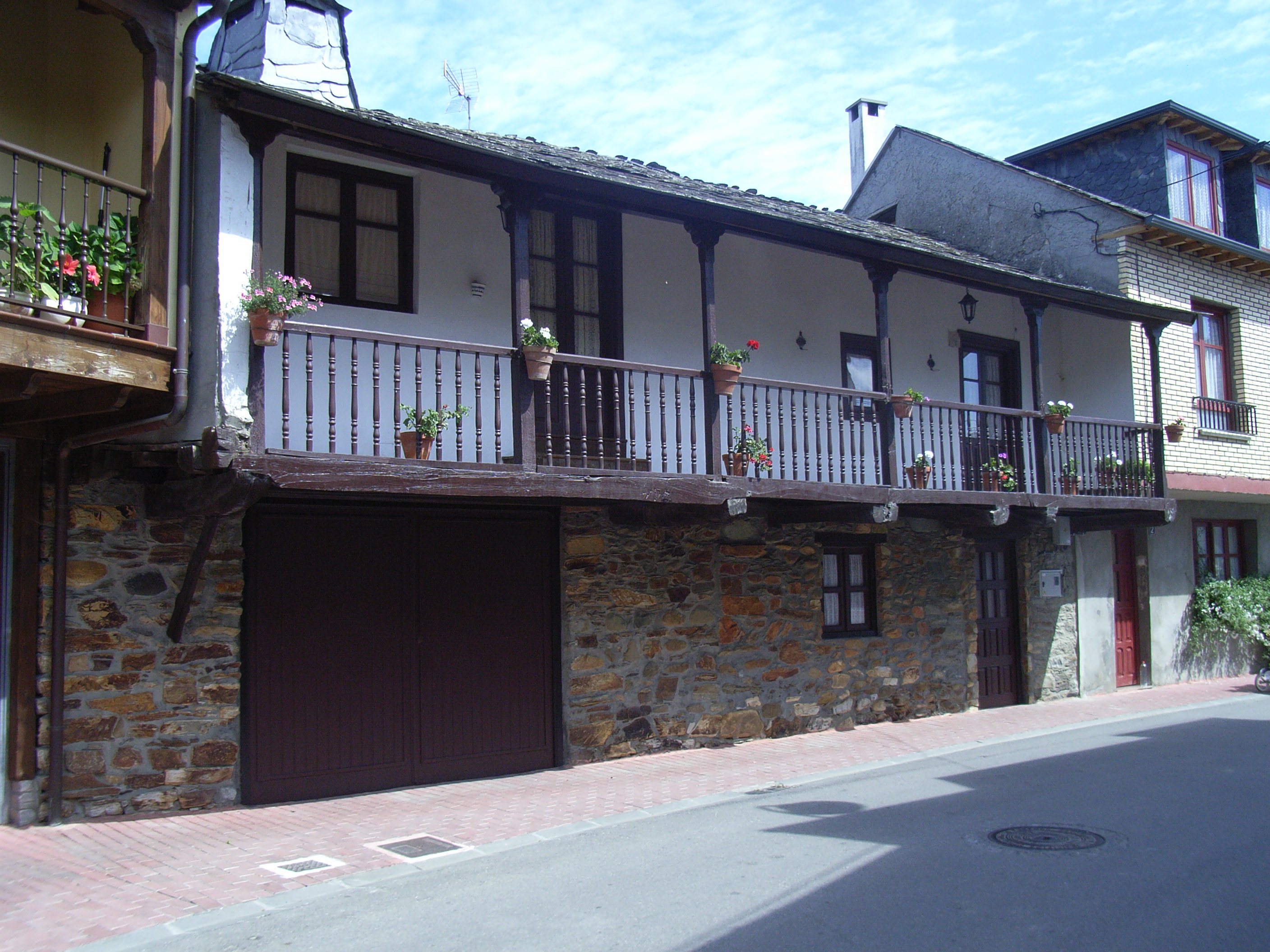
Quilós is situated in one of the most fertile agricultural areas of the municipality, to the north of Cacabelos. Nearby are the Castro Vizcaíno and Castro Picón hillforts, remnants of the pre-Roman past that explain the origin of the settlement. Today, its traditional architecture, characterised by stone and slate buildings, reflects its history.
Over time, the economy of Quilós has been mainly based on agriculture. The cultivation of tobacco, vineyards and market gardening have been fundamental to its economic development, thanks to the fertile soils in the area and its numerous streams and springs. In addition, Quilós has become a stopover for those on their way to other nearby towns, such as Los Ancares and Fornela, offering visitors a chance to enjoy the local gastronomy and take part in popular festivities.
The main local festivals are the feasts of San Tirso on 28 January, San Antonio on 13 June and San Lorenzo on 10 August. The church is dedicated to Santa Colomba, the patron saint of the village, and there is also a chapel dedicated to San Antonio, built in the 20th century.