

Puntos de Interés

Municipality
Cacabelos
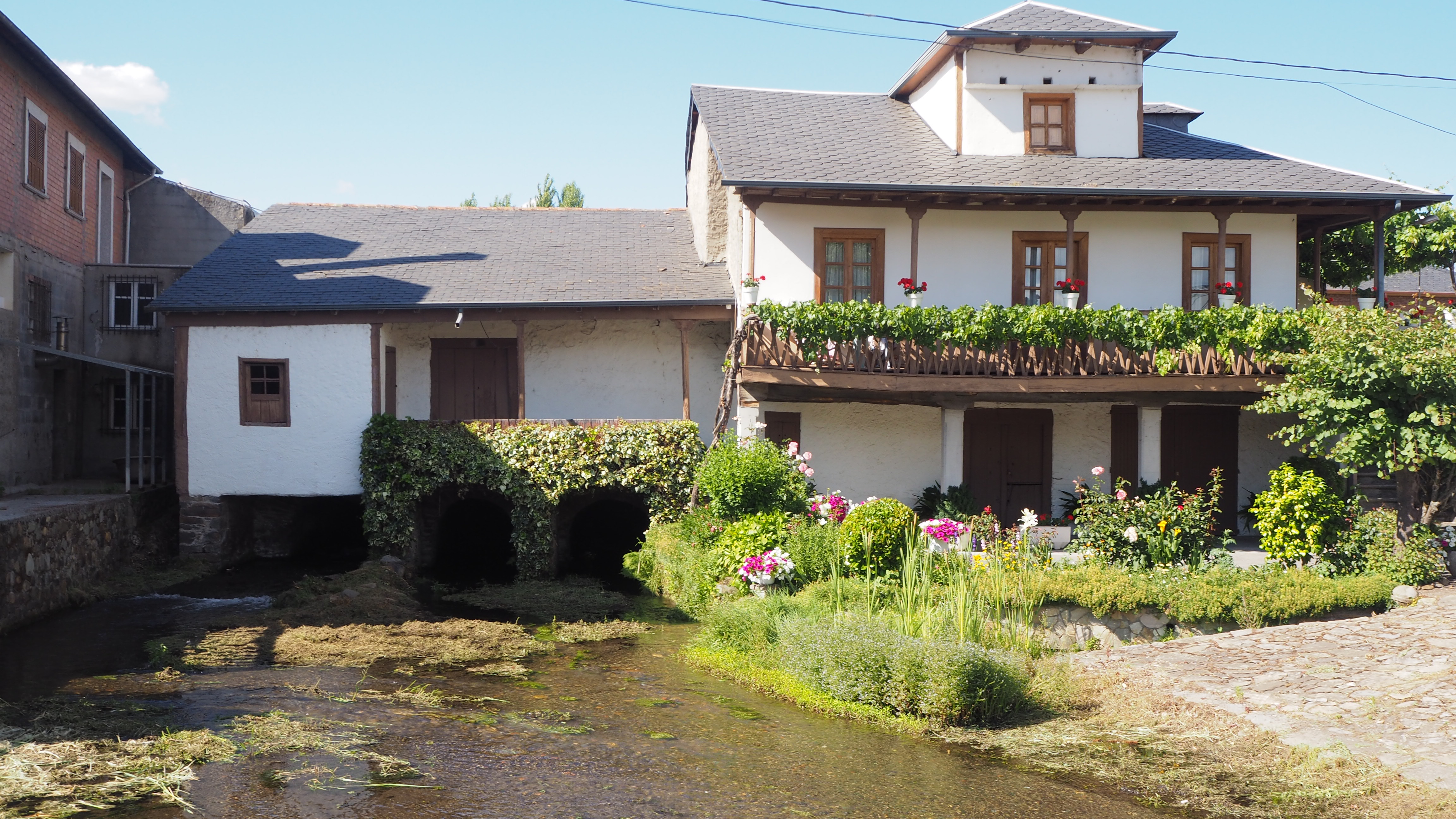
Located in the heart of the region of El Bierzo, in the northwest of the province of León, is Cacabelos, a village of almost 4,000 inhabitants situated on the banks of the River Cúa. Its natural environment features gentle curves among low slopes and clay soils, a landscape that has favoured life and cultivation.
The history of this place is both extensive and rich, as this area has witnessed multiple civilisations. The earliest traces of human presence found in the area are lithic artefacts from the Palaeolithic period. Two important pre-Roman hillforts were built around Cacabelos: Castro Vizcaíno and Castro Ventosa, which later became the Roman city of Bergidum Flavium. This settlement was an administrative centre for gold from Bierzo, such as that extracted from Las Médulas , and archaeological finds indicate that the site was occupied during the 10th, 12th and 13th centuries.
To the north of Cacabelos, on the outskirts of the town, is the site of La Edrada, a large Roman villa declared a Protected Cultural Heritage site in 1994, which was strategically located at a crossroads leading to Asturica Augusta, Lucus Augusti and Bracara Augusta. Remains dating from the Late Imperial period to the Middle Ages are preserved in this area, a time when it was probably destroyed by Muslim raids in the 10th or 11th century.
The reconstruction of the town began in 1108, under the direction of the Archbishop of Compostela, Diego Gelmírez, a period during which the church of Santa María was inaugurated, of which only the Romanesque apse remains today after its rebuilding in the 16th century. During the Early Modern period, Cacabelos became part of the Marquisate of Villafranca held by the Count of Lemos, together with the towns of Quilós, Arborbuena and Villabuena. During this period, the village had around a thousand inhabitants, several churches and even a hospital, establishing itself as an important centre in the Bierzo region.
The local economy has always been closely linked to wine production, but it has not been without its difficulties. In 1870, the phylloxera plague devastated the vineyards and caused a crisis. Fortunately, in the middle of the 20th century, the cultivation of grafted vines on American rootstock was introduced, an agricultural innovation that encouraged the establishment of new wineries and cooperatives, which revitalised the economy.
One of the main cultural attractions of the town is the Archaeological Museum of Cacabelos (MARCA). This centre offers permanent exhibitions dedicated to local history from its origins to the present day. It also hosts temporary exhibitions and other cultural activities. The building itself forms part of the town's architectural heritage, together with the church of Santa María, the Sanctuary of the Virgin of Las Angustias, the shrine of San Roque and the Main Bridge of Cacabelos.
The local festivals are also a perfect opportunity to experience the spirit of Cacabelos. On Easter Monday, the festival of Nuestra Señora de la Quinta Angustia is celebrated; on 15 May, San Isidro, patron saint of farmers, is honoured, as is San Roque on 16 August. In addition, every year the town relives the Battle of Cacabelos (1809), in which the French and the British clashed at the bridge over the River Cúa, through an impressive historical re-enactment. Likewise, during the Ludus Bergidum Flavium, Cacabelos is transformed to commemorate its Roman past with parades, shows and activities for the whole family.