

Puntos de Interés

Culture
Cueva de los Portugueses Hermitage (Portuguese Cave)
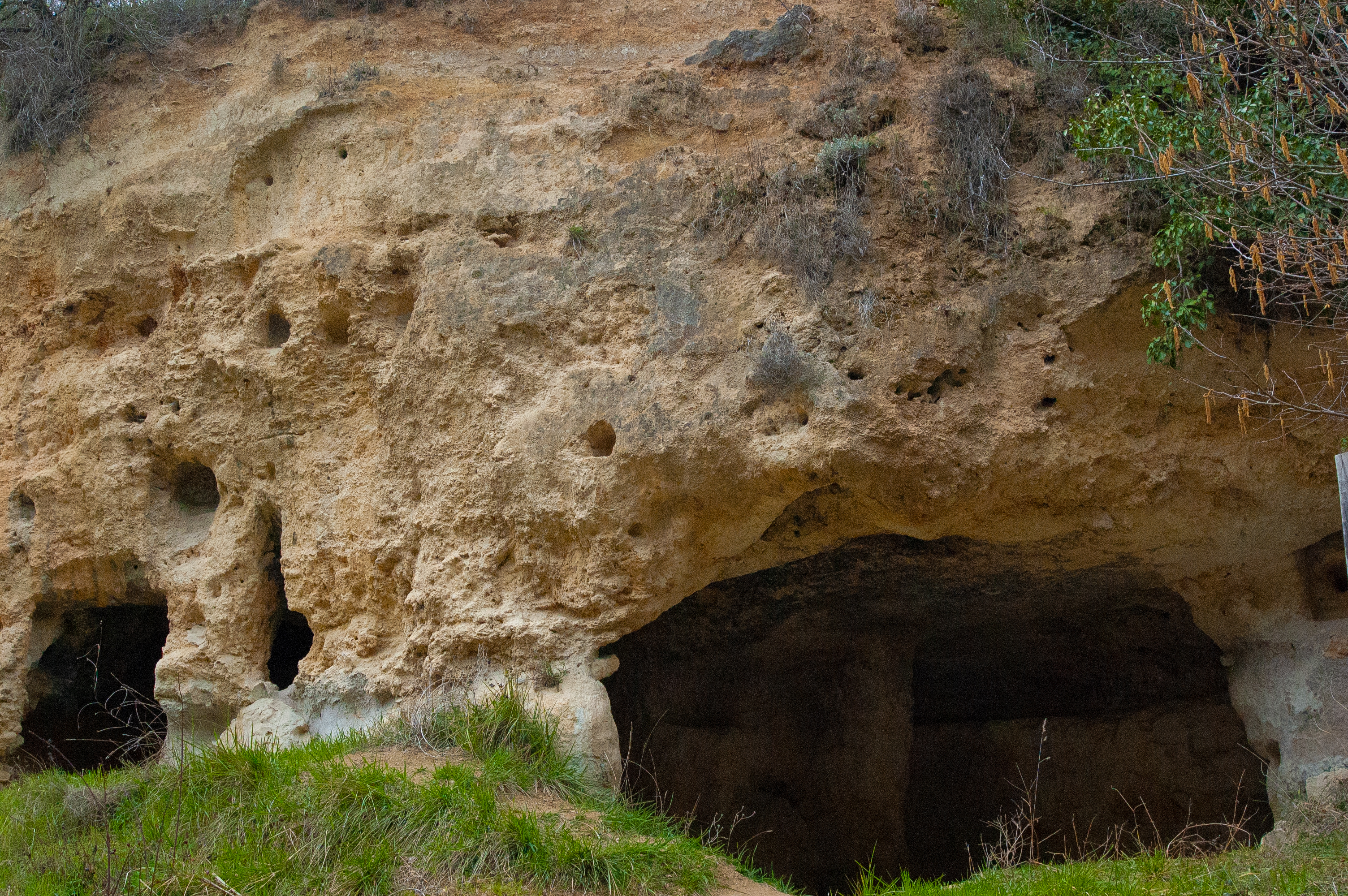
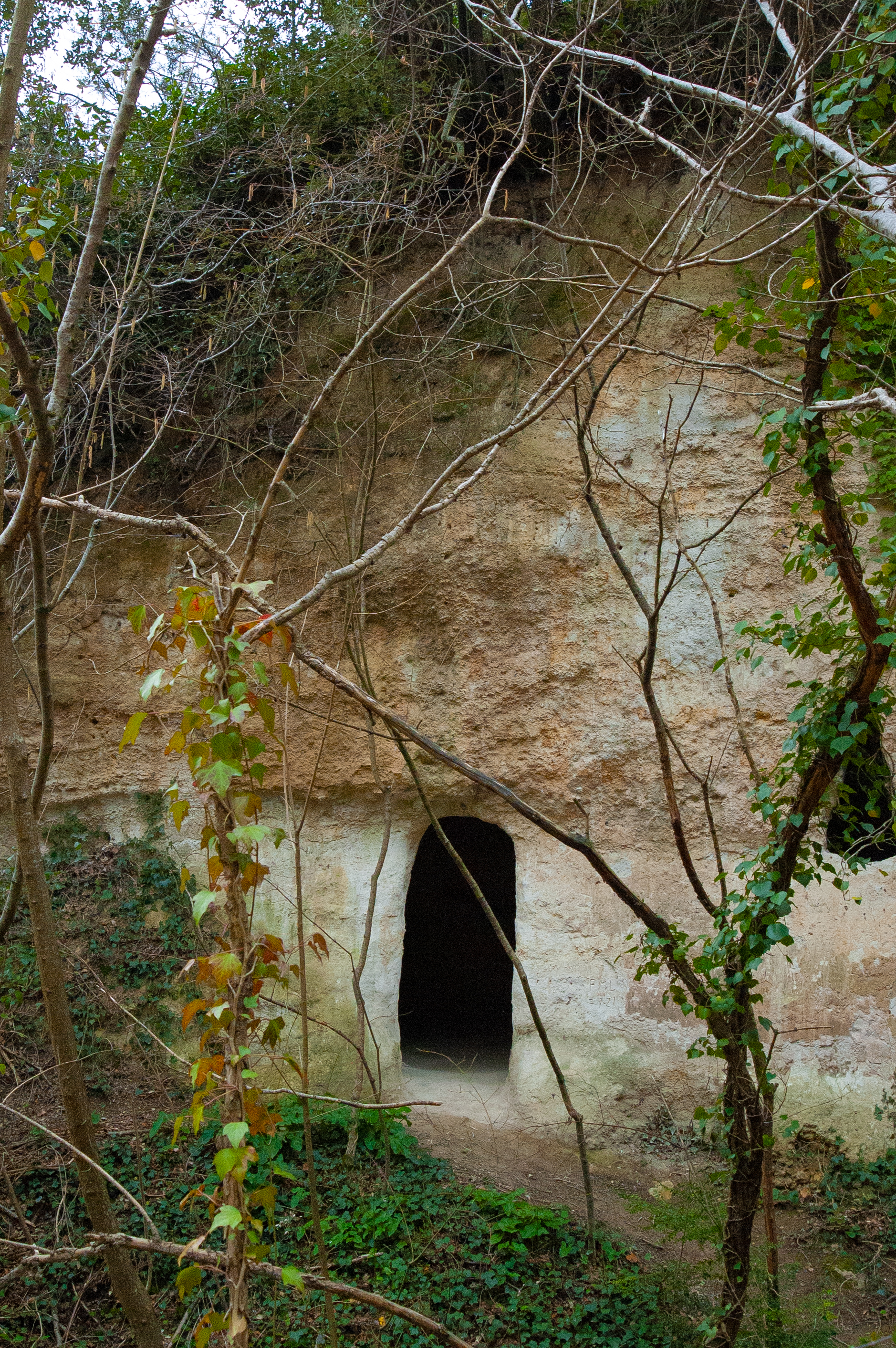
The cave hermitage Cueva de los Portugueses is a hermitage excavated in the sandstone rock between the Visigoth and early medieval periods, estimated to be between the 8th and 9th centuries.
It is located on both sides of the Las Tocas stream, next to the diversion from the N-629 road that provides access to the village of Tartalés de Cilla.
The original use of this structure is not known exactly. It could have been used for the religious liturgies of the first Christians, although the possibility that it was used as a dwelling for hermits or monks related to the church of San Pedro or the hermitage of San Fermín is not ruled out, and even that some of the rooms may have served as stables at some point. In fact, some theories suggest that they may have been inhabited by semi-nomadic herdsmen from the 8th to 9th centuries.
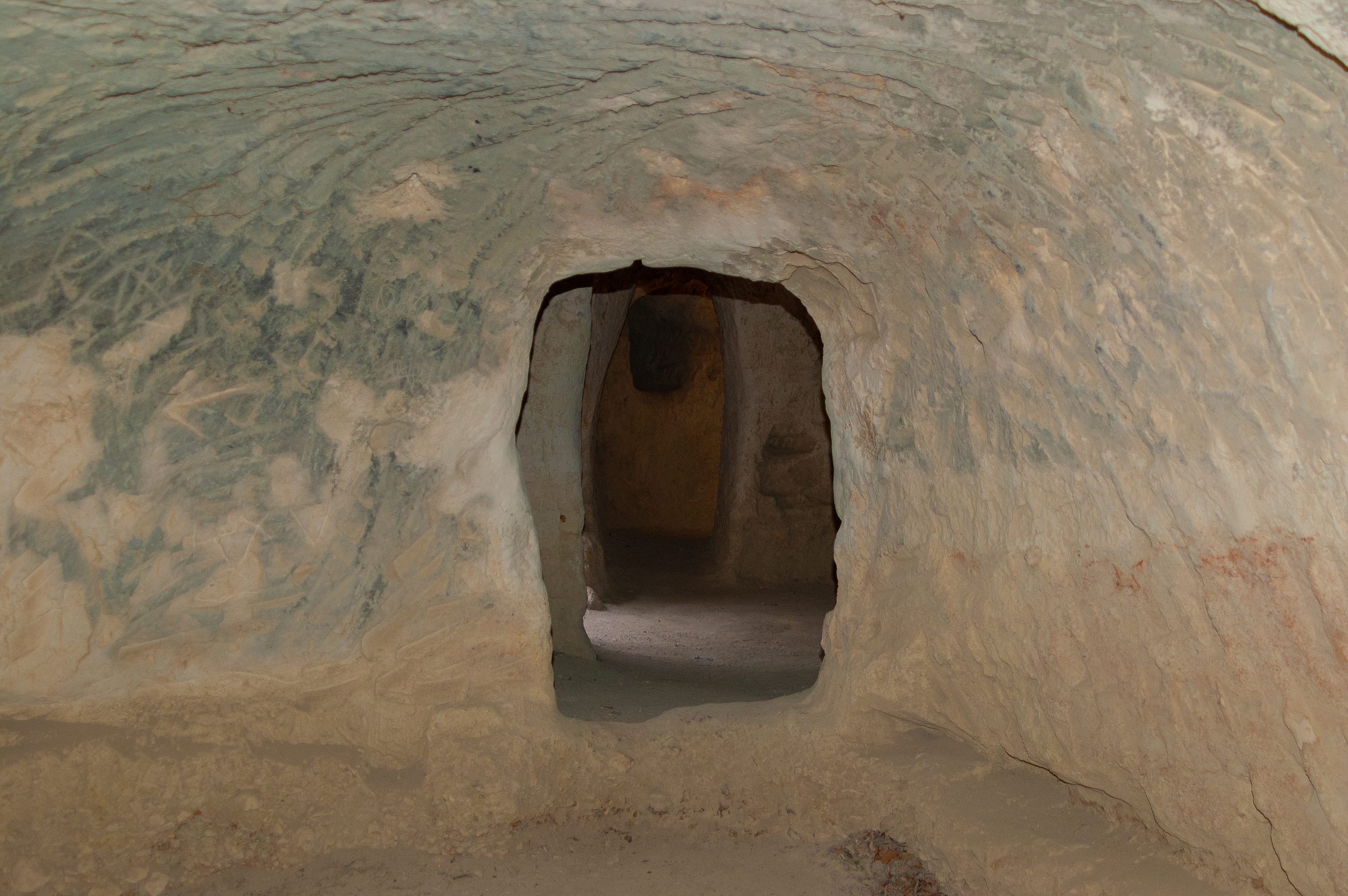
The cave hermitage Cueva de los Portugueses is a hermitage excavated in the sandstone rock between the Visigoth and early medieval periods, estimated to be between the 8th and 9th centuries. It is located on both sides of the Las Tocas stream, next to the diversion from the N-629 road that provides access to the village of Tartalés de Cilla.
The original use of this structure is not known exactly. It could have been used for the religious liturgies of the first Christians, although the possibility that it was used as a dwelling for hermits or monks related to the church of San Pedro or the hermitage of San Fermín is not ruled out, and even that some of the rooms may have served as stables at some point. In fact, some theories suggest that they may have been inhabited by semi-nomadic herdsmen from the 8th to 9th centuries.