

Puntos de Interés

Municipality
Belmez
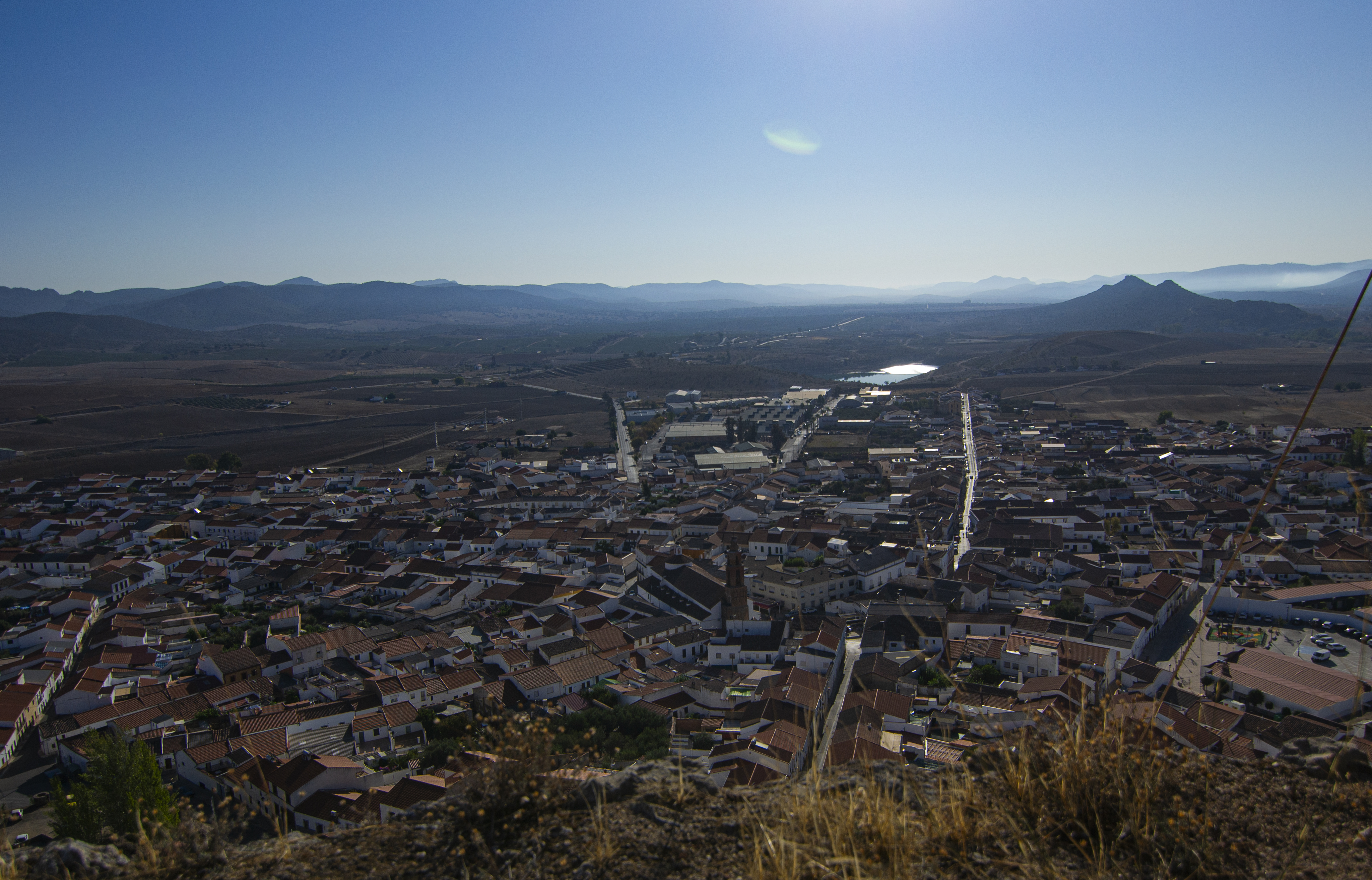
This Córdoba town and municipality is located in the comarca of Valle del Guadiato. The megalithic monuments found in the current municipal territory show that this area has been inhabited since at least the Middle Neolithic period, although some other remains seem to date back to the Palaeolithic period.
Due to the mining and metallurgical wealth of the area, it was a territory occupied by the Tartessians and Phoenicians. But it is from the Roman period that most remains have been preserved, in the form of copper or iron mines and tombstones. There is also a Visigothic presence, a settlement having been found south of the village of El Hoyo.
The first written references to Belmez date back to 1254. They concern the siege of Jaén during the Christian conquest, when Ferdinand III ceded the town of Priego de Córdoba to the Order of Calatrava in exchange for the castle of Belmez and its territory. Later, Alfonso XI granted the town the title of Muy Leal Villa and, centuries later, Felipe II added the title of Muy Noble Villa, or “very loyal village”.
The economy of the town was based on livestock and agriculture until, in the late 17th century, coal was discovered in the subsoil, and mining took over. The Cabeza de Vaca Mine is the first one on record.
In the 19th century, the mines were operated by the Sociedad Hullera y Metalúrgica de Belmez until the founding, at the end of the century, of the Sociedad Minero Metalúrgica Peñarroya, which monopolised coal mining until the middle of the 20th century when it ceased activity in the province of Córdoba. At that time, the Empresa Nacional Carbonífera del Sur, today ENDESA, was created and was responsible for the exploitation of the mineral in the area until well into the 21st century.
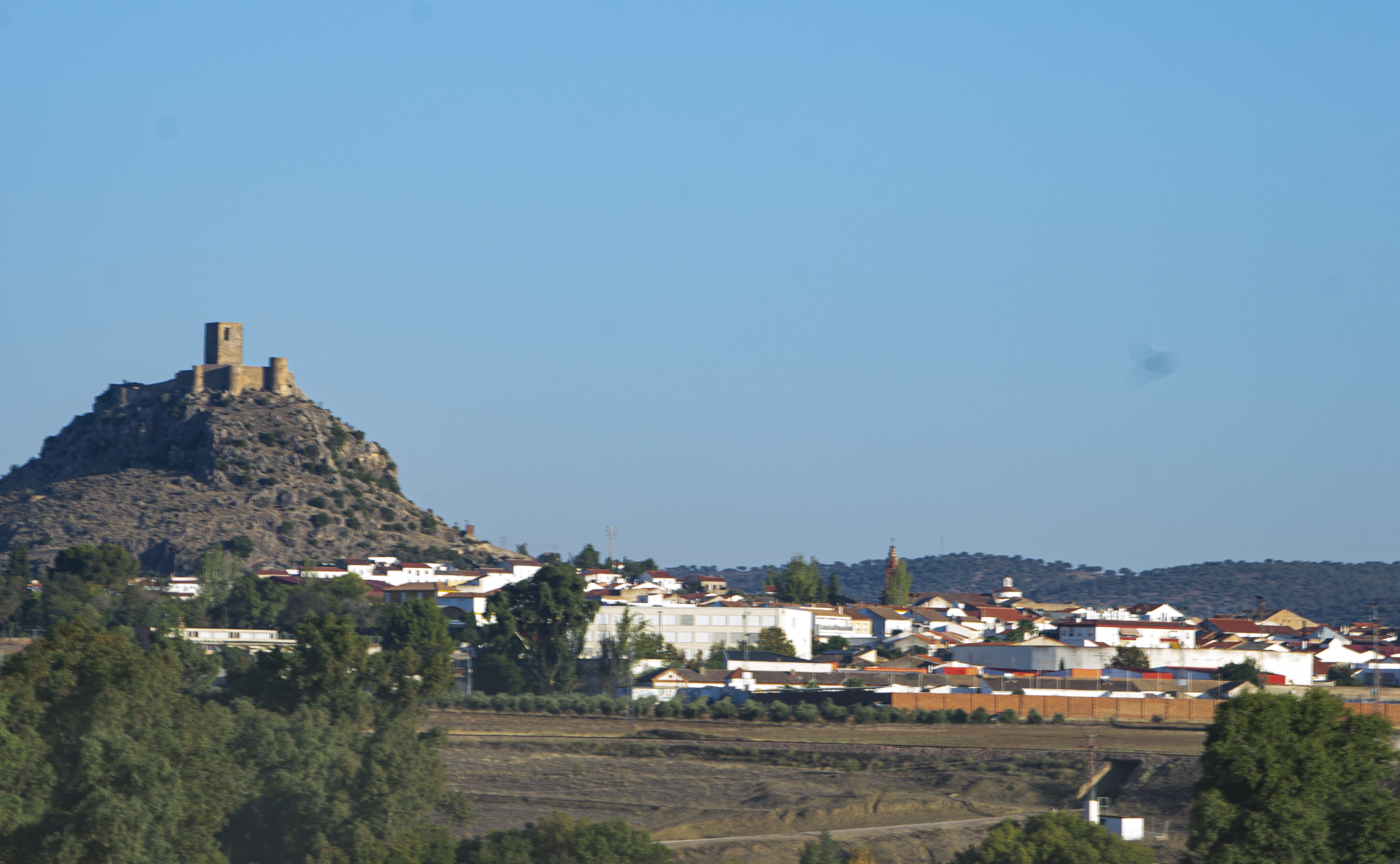
In terms of local heritage, what is most striking at first sight is the castle which, perched on a high limestone promontory, stands watch over the town. It may have been built on top of another fortress of Moorish origin, although the earliest records of the castle date from the 13th century, when it was in the hands of the Order of Calatrava.
The civil heritage is completed with the Town Hall, from the 19th century, and the religious buildings of La Virgen del Castillo, originally built after the Christian conquest; the Shrine of La Virgen de los Remedios, from the 16th century; and the Church of La Anunciación, from the 16th century.
The principal local festival is in honour of Nuestra Señora de los Remedios, held around 7 September, although other villages in the municipality have their own patron festivals.