

Puntos de Interés

Orography
Sierra Morena
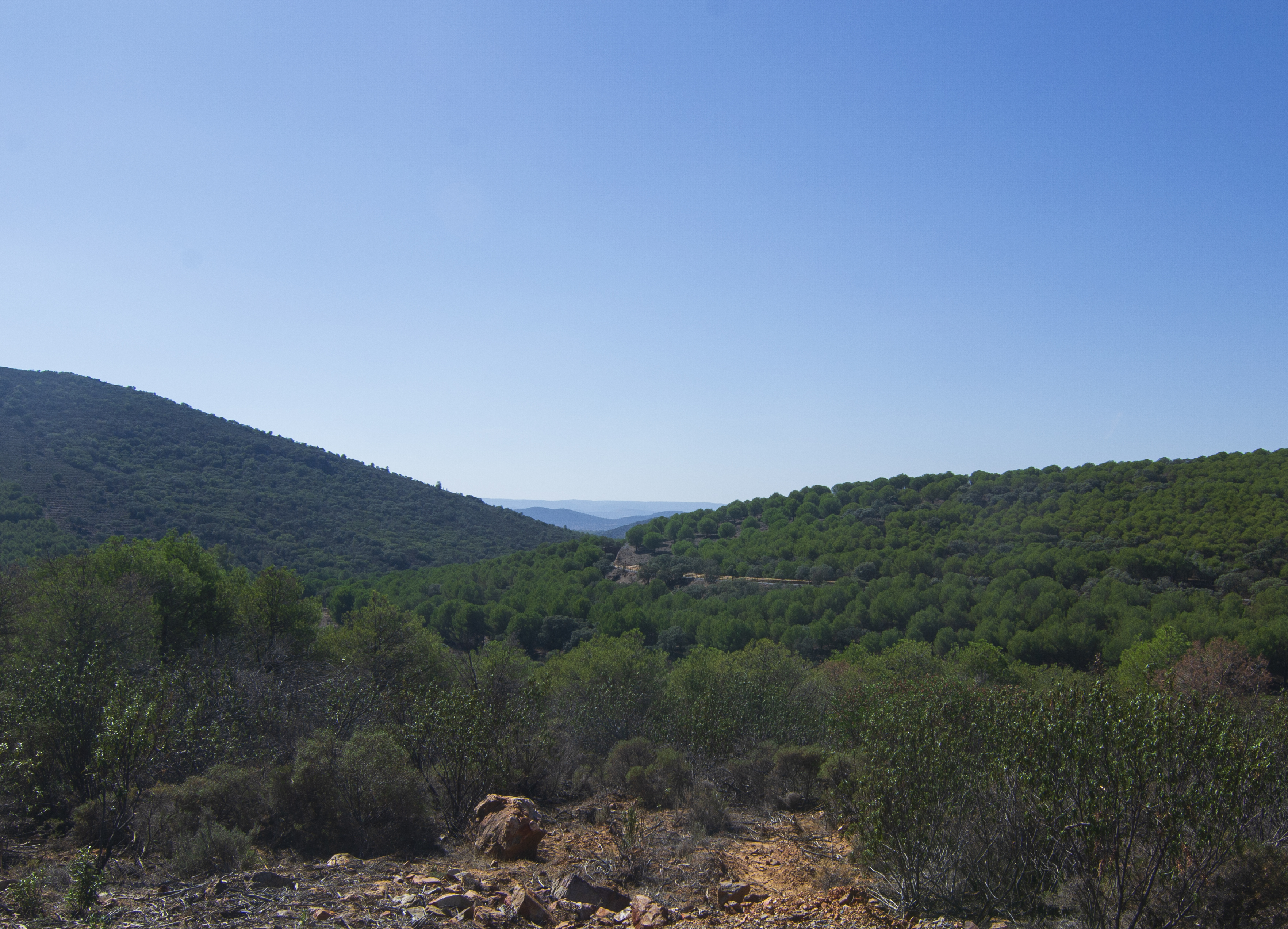
Sierra Morena is a mountain range located in the contact zone between the Palaeozoic materials of the Central Plateau and the Tertiary and Quaternary sediments of the Guadalquivir Depression. It extends almost from the Portuguese Algarve in the west to the Betic systems in the east.
More than a mountain range in the strict sense of the word, the Sierra Morena is the transition between the Meseta and the Guadalquivir Depression, formed by a series of interlinked faults, giving it a rather asymmetrical appearance. While, from the north, the mountain range appears only as gentle undulations of the terrain, from the south it manifests itself as large escarpments.
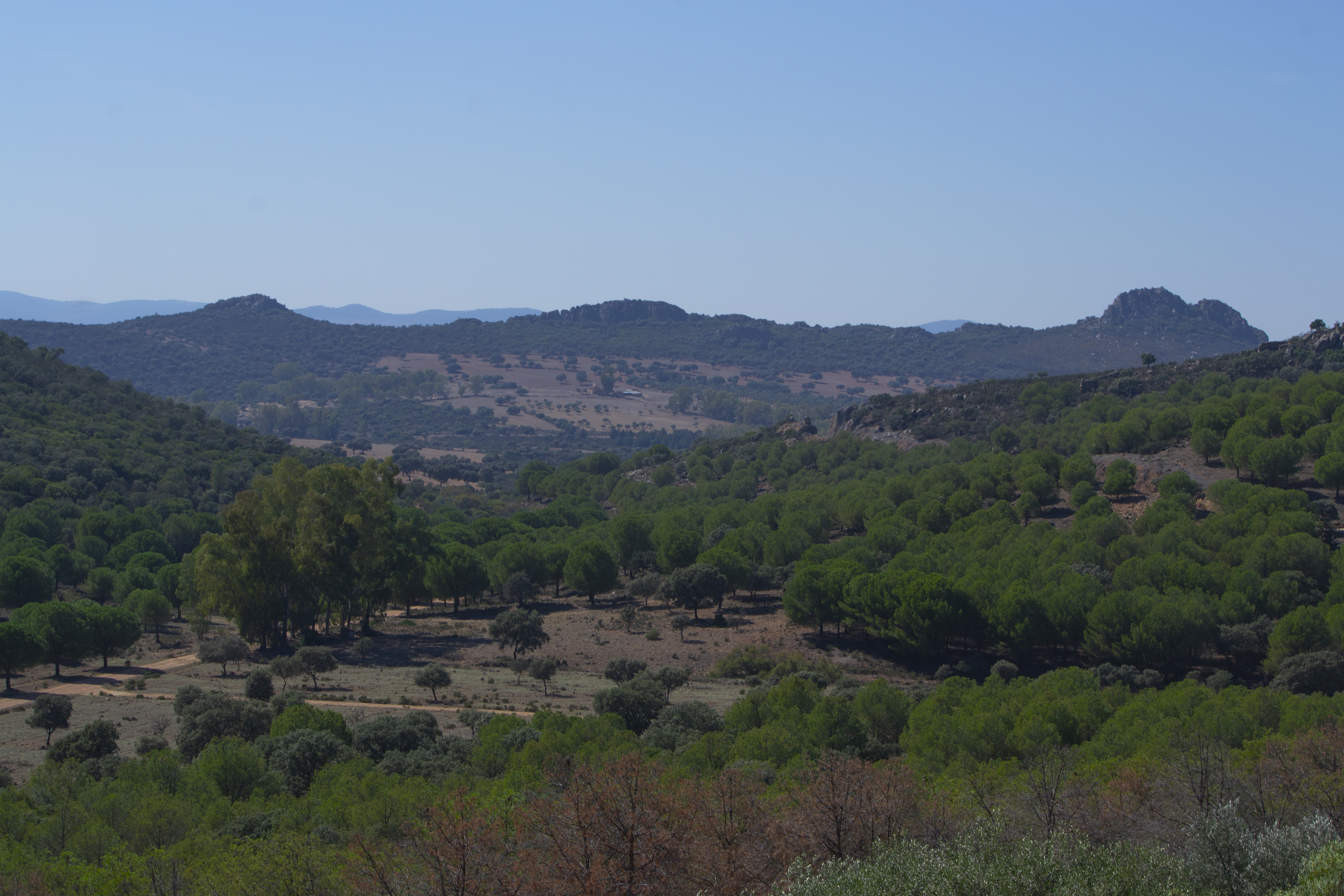
The transformation of the landscape by the human hand has turned Sierra Morena into a mosaic of ecosystems, including holm oak pastures, reforestation pine forests and different stages of forest degradation with the presence of scrubland or eucalyptus plantations. In wetter parts there are mixed deciduous forests of chestnut and gall oak.
Although the most commonly observed fauna is the macrofauna used for hunting (wild boar, roe deer, red deer and mouflon), the Sierra Morena has the most important population of Iberian lynx. As well as other vulnerable species of Iberian fauna such as the imperial eagle, golden eagle, black vulture and black stork.
Almost the entire area of the Sierra Morena is under the protection of different Natural Parks: Sierra de Aracena and Picos de Aroche Natural Park in Huelva, Sierra Norte Natural Park in Seville, Hornachuelos Natural Park and Sierras de Cardeña and Montoro Natural Park in Cordoba, Sierra de Andújar Natural Park and Despeñaperros Natural Park in Jaén. Only the Córdoba comarcas of Los Pedroches and Valle del Guadiato break this continuity of Natural Parks.
The Sierra Morena has a total of 12 Natura 2000 Network sites with the category of SCI and part of its surface area has been declared a UNESCO Biosphere Reserve.