

Puntos de Interés

Municipality
Ogassa
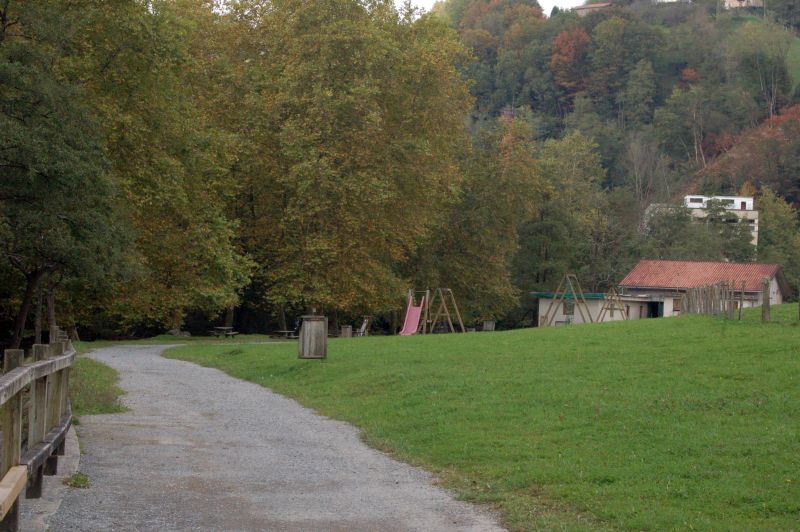
Ogassa is situated in the centre of the comarca of El Ripollès in Girona. The municipality encompasses five districts: San Martín de Surroca, San Martín de Ogassa, Surroca de Baix, San Julián de Saltor and Santa María de Vidabona. It enjoys a superb location, surrounded by peaks such as Taga, Puig de Sant Amand and Puig Estela.
During the Middle Ages, the wool industry dominated the local economy. Towards the end of the 18th century, during the French occupation, glass and lime kilns were set up. However, the main driving force in the area was the mining of the Surroca coalfields, which began around the same time. This activity led to the arrival of the railway in 1880, so that the ore could be transported to Barcelona. The twelve mines in the municipality remained in operation until 1967. Today, their legacy lives on at the Mining Museum and at mines open to visitors.
The municipality boasts a rich Romanesque heritage. Of particular note are the churches of San Martín de Ogassa, dating from the 10th century, San Martín Surroca and San Julián de Salto, both from the 11th century, as well as Santa María de Vidabona, from the 12th century. Other notable features include the fossil sites at Can Camps and natural springs such as the Font Gran and the Font del Miner.
When it comes to food, the local mushrooms and lamb, kid goat and foal dishes are not to be missed. These products are complemented by cured meats, dairy products and the traditional Ripollès coca flatbread, served with craft beers.
In terms of traditions, Ogassa celebrates the feast of Saint Barbara, the patron saint of miners, in winter. The Virgen del Puig de França festival takes place in July, while the Brotherhood Festival is held in August.