
Puntos de Interés

Infrastructure
Seròs Canal
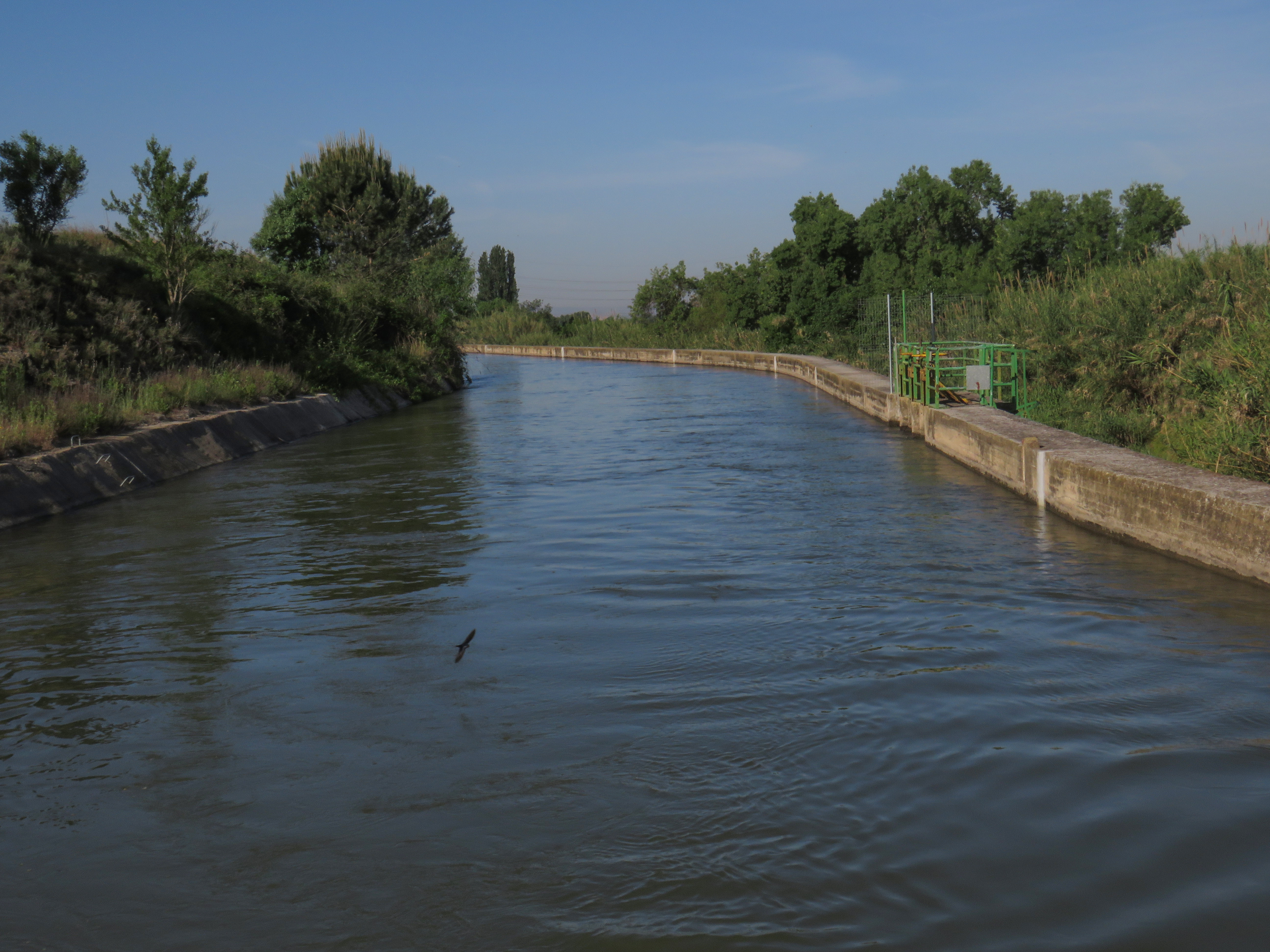
The Seròs Canal is one of the most important works of hydraulic infrastructure in the area surrounding the River Segre Nature Trail and the Utxesa Reservoir, and was a key factor in the transformation of the Segrià’s agricultural and industrial landscape during the 20th century. Built between 1912 and 1914 by the company La Canadenca, the canal was originally constructed with the primary aim of generating hydroelectric power using the waters of the River Segre.
The image shows one of its current sections, where the water flows between concrete-lined banks, passing through a landscape dominated by farmland and riverside vegetation. The canal runs its way through gently through vegetable gardens and country lanes, forming an integral part of the area’s agricultural landscape. Its straight course and constant flow contrast with the more natural character of the River Segre, from which it draws its water.
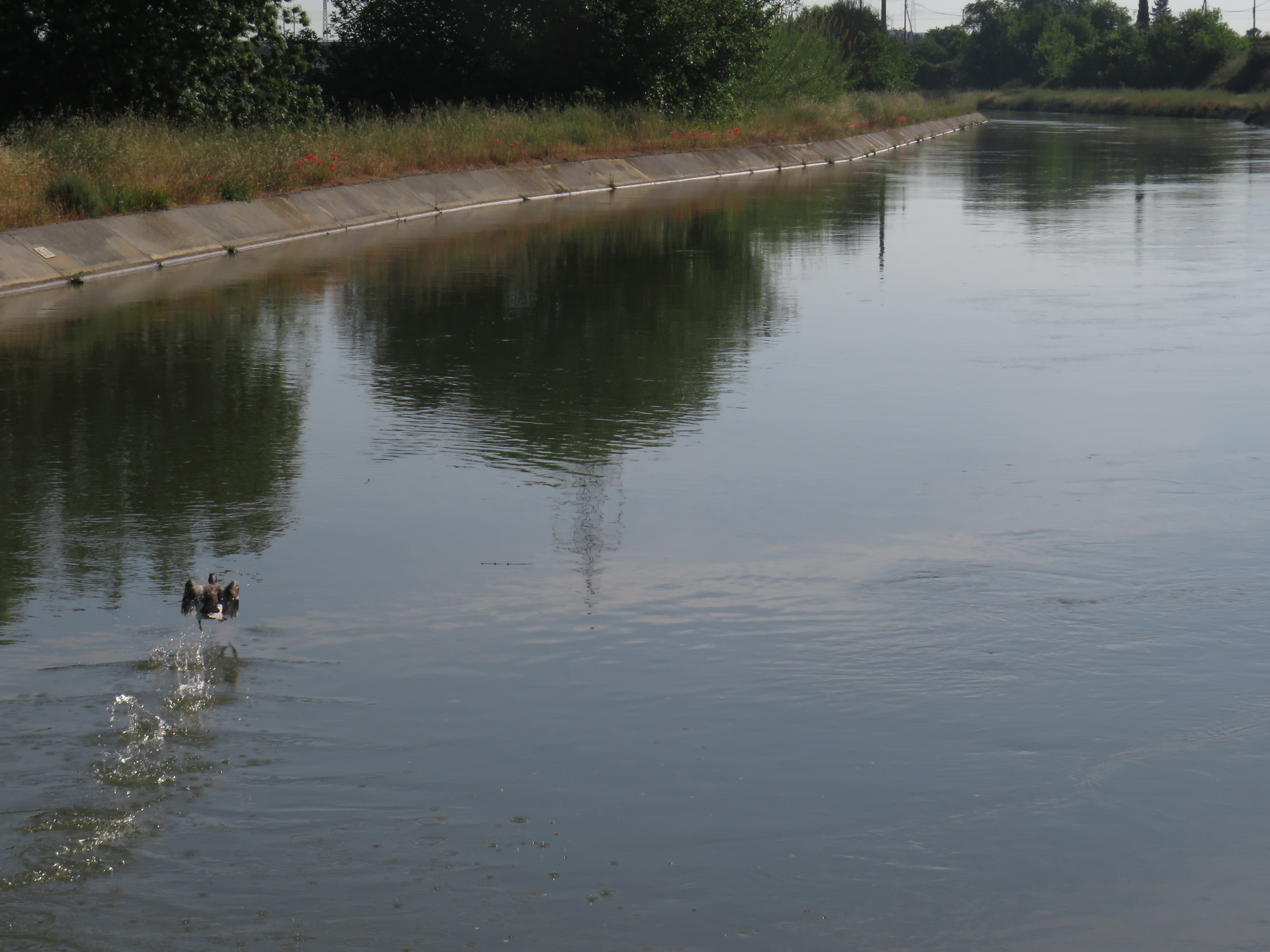
The canal is some 25 kilometres long and carries water from Lleida to the hydroelectric power station in Aitona. Along its course, it supplies various infrastructure facilities linked to the Segre water system and the Utxesa reservoir, built as a regulating reservoir to ensure electricity generation.
Its construction marked a genuine economic revolution for the region. The works, completed in under two years despite the limited technical resources of the time, mobilised a large number of workers and transformed vast areas of farmland thanks to the development of irrigation.
In addition to its role in energy generation, the canal remains vital for the water supply and irrigation of numerous farms in the surrounding area.