

Puntos de Interés

Infrastructure
Vielha tunnel. North portal
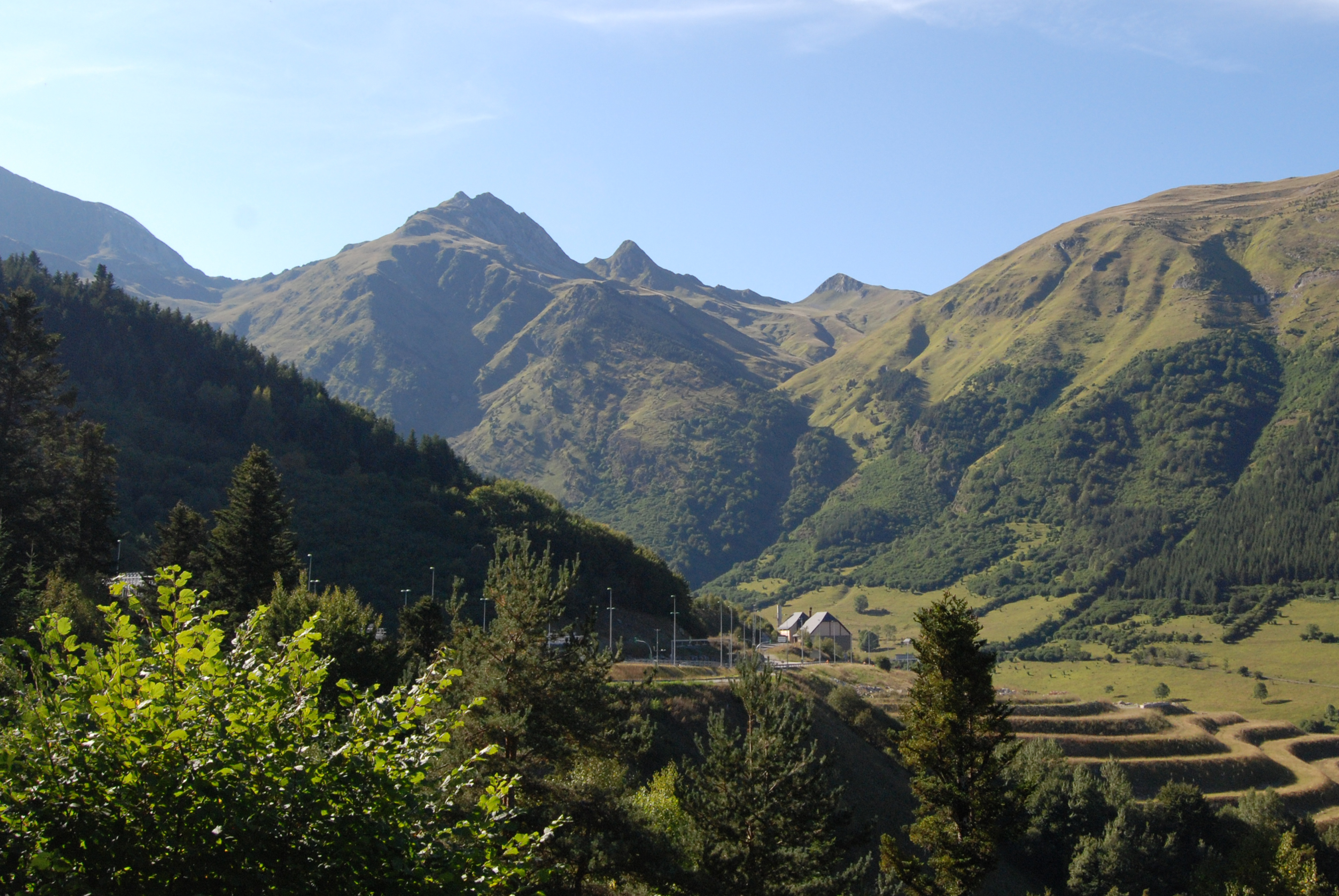
The Vielha Tunnel is one of the most important engineering projects in the central Pyrenees in Spain and a vital piece of infrastructure for linking the Aran Valley with the rest of mainland Spain. Located on the N-230 road, this tunnel cuts through the Pyrenean mountain range across extremely rugged terrain, bypassing the mountain passes and providing a reliable and safe link between the regions of Alta Ribagorza and Val d’Aran.
The history of the tunnel dates back to the early 20th century, when the winter isolation of the Aran Valley, due to heavy snowfall blocking the Bonaigua Pass for much of the year, made the need for an underground passage clear. Various technical proposals and years of planning followed, and the first tunnel, known as the Viella-Alfonso XIII Tunnel, was opened in 1948 after more than two decades of works, which had been interrupted by conflicts and technical difficulties. At over 5,260 metres in length, this first tunnel was, at the time, one of the longest in the world.
Over time, increasing traffic volumes and the need for higher safety standards led to the construction of a second tunnel. The new Vielha-Juan Carlos I Tunnel was built alongside the original and opened in December 2007. It is approximately 5,230 metres long and has been brought up to modern traffic and safety standards, including advanced lighting, ventilation and emergency evacuation systems.
The northern portal of the tunnel is in the Aran Valley area, at an altitude of around 1,400 metres above sea levels, while the southern portal opens out into the Alta Ribagorza region, at around 1,590 metres above sea level, illustrating the considerable difference in elevation between the two sides of the Pyrenees.
Nowadays, the modern tunnel handles the bulk of road traffic, improving transport links and boosting the valley’s socio-economic development, particularly during the high season. The original tunnel, meanwhile, continues to serve as an evacuation route and a passageway for hazardous goods, connected internally to the newer tunnel via safety tunnels.