
Puntos de Interés

Geology
Old Barrio Hospital (Minning)
To speak of the Sierra Menera Mine we must go back many years to the Palaeozoic. These mines are of sedimentary origin. Experts report that it was made from rocks rich in iron and magnesium carbonate. Then, the movement of water filtering through these rocks dissolved the ores and concentrated them in caves which, over time, formed the deposit.
According to historians, both Celtiberians and Romans built a variety of defensive settlements in this area and used their time in these territories to work the mines and to begin smelting the ore.
With the passage of time, this iron deposit became one of the most important in Spain. In fact, from the 16th to the 19th centuries, Sierra Menera supplied iron to all the metallurgical plants in Cuenca, Guadalajara and Albarracín.
Following the passage of the Mining Act of 1825, the Sierra Menera deposit was fragmented, although years later the Compañía Minera de Sierra Menera was responsible for unifying it, specifically in 1900. The purpose of this company, which belonged to Ramón de la Sota and Eduardo Aznar, was to extract iron from Ojos Negros and Setiles and then move it by train to the blast furnaces at Sagunto, where the ore was smelted.
In 1921, the Company purchased two steam-powered front excavators, thus ushering in a new era of mechanised and open-cast mining. Improvements were later added progressively, including the installation of a conveyor belt to connect the two sides of the sierra. Thus, it was possible to work simultaneously in Ojos Negros and Setiles.
In 1969, the mine owners built a new plant to crush and sort iron ore and, a year later, they installed a platform that enable automated loading onto the wagons. Today it is still possible to see the ruins of all this infrastructure in the area.
In the early 1970s, a major worldwide crisis in the steel industry spread far and wide. This situation ended up affecting the Altos Hornos del Mediterráneo, where the Sierra Menera was moved. When the blast furnaces closed, the mine would fall into disrepair, which caused it to finally close in 1987.
A curious fact is that, according to the Compañía Minera itself, Sierra Menera had several hundred million tonnes of iron in the early 20th century. Most of it was extracted during the sector’s boom years, although according to the Diputación de Teruel itself, some 110 million tonnes may remain available today.
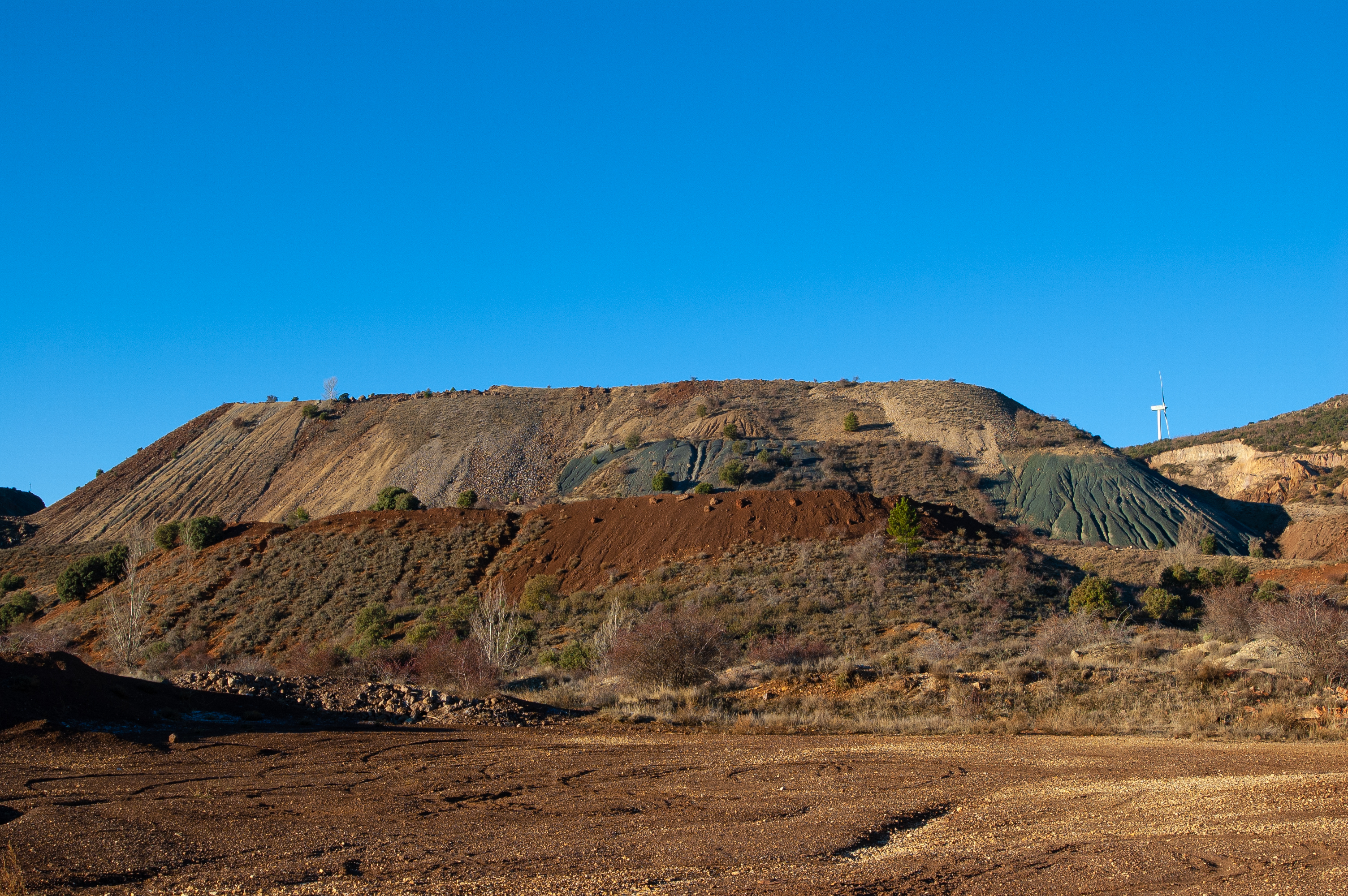
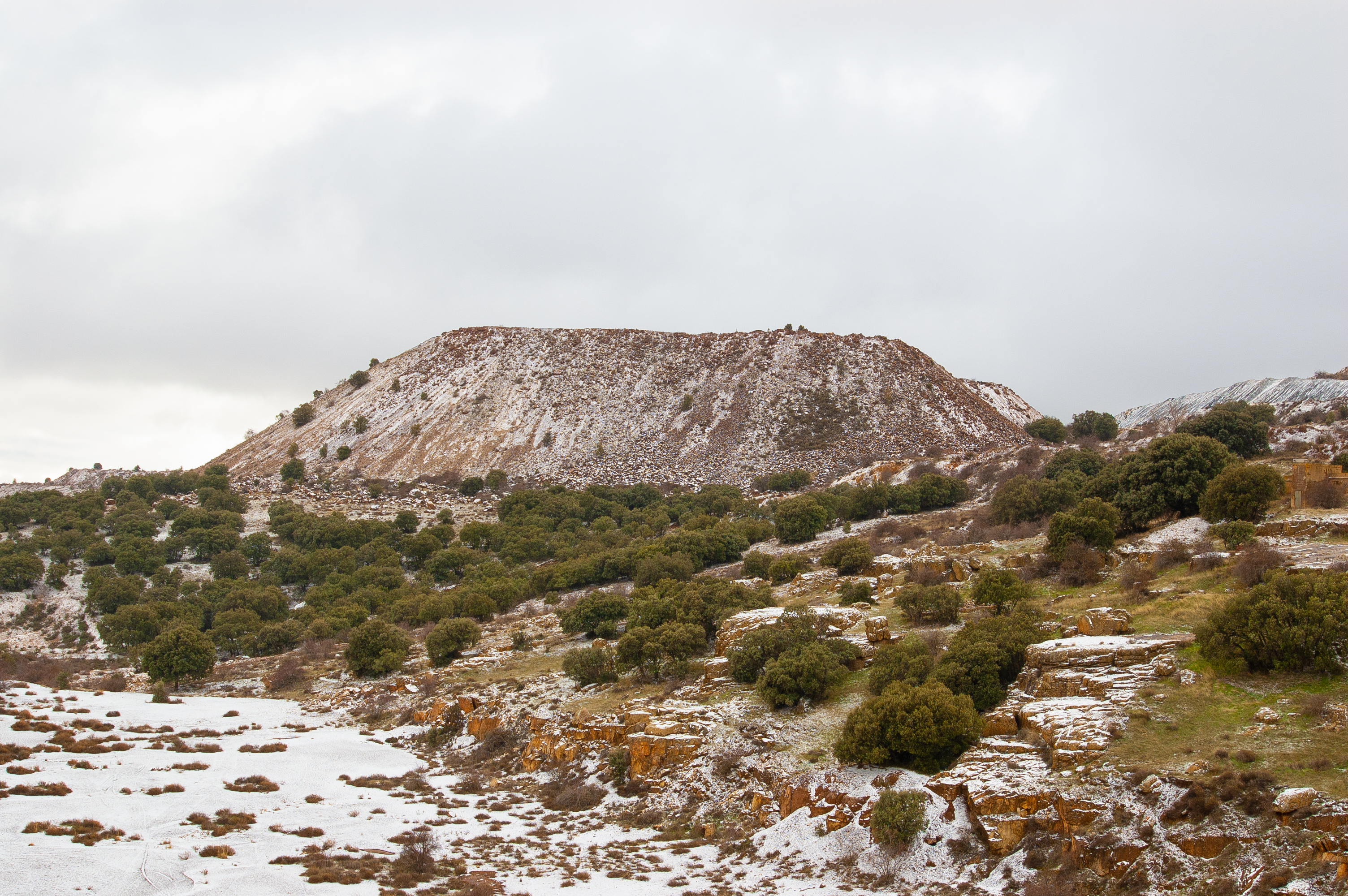
Today, this area is a tourist attraction, where visitors can see the fascinating landscapes produced by open-cast mining.