

Puntos de Interés

Hydrography
Ojos de Monreal
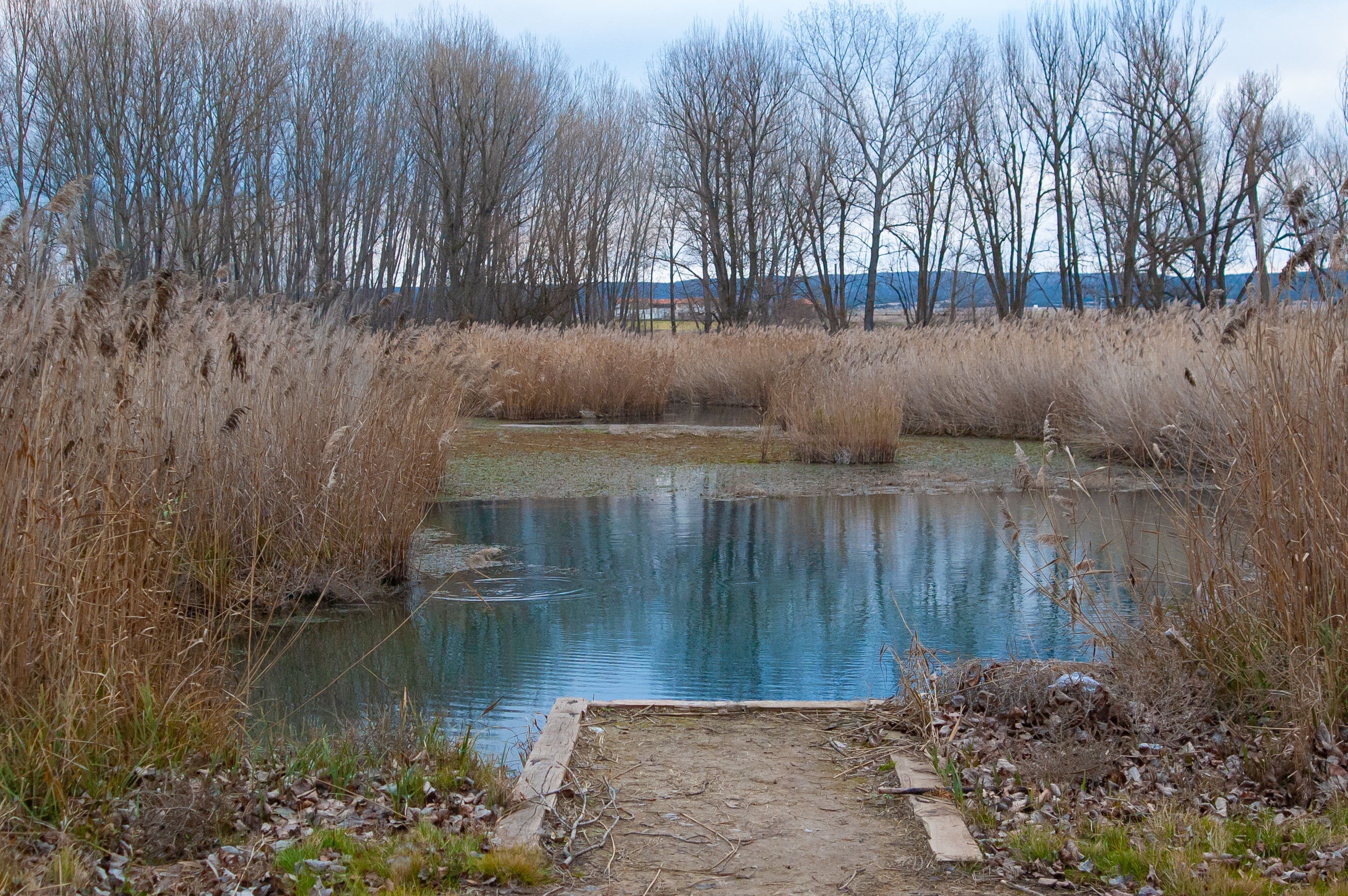
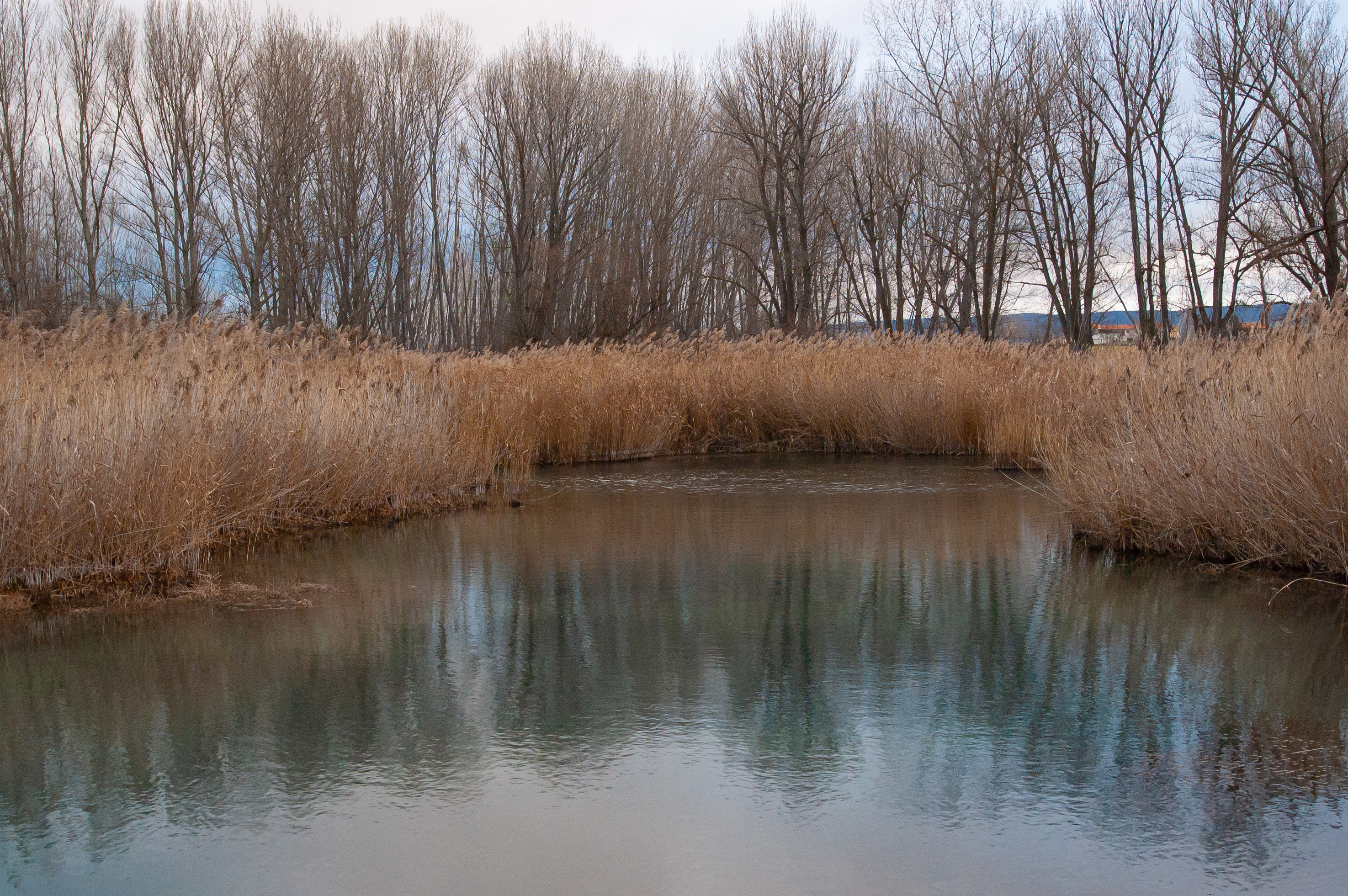
The spot known as Ojos de Monreal is a spring located near the Teruel municipality of Monreal del Campo, about 2 km from the town. It is located is in the so-called “Fosa del Jiloca” (Jiloca Trench), an extensive flat-bottomed depression that runs from Daroca to Teruel.
Los Ojos de Monreal is one of the greatest wetlands in the Iberian Peninsula, receiving its waters from underground springs and upwellings. It is a set of springs interconnected by various channels, creating a structure in the form of a rosary. Circular hollows, approximately 3 m deep, that are the natural source of the River Jiloca.
The natural area performs various water-related functions essential for the life and economy of the nearby villages, including storing water and improving its water quality.
And although its size is now considerably diminished, due to the degradation of the land and the diversion of the water flows, the Ojos de Monreal are a microclimate characterised by its great species biodiversity.
The vegetation in this area is what is typically found in wet and waterlogged areas with a high-water table, featuring marshland vegetation, with reeds (Phragmites australis) and cattails (Typha domingensis) dominating the landscape.
As for tree vegetation, there are poplar (Populus sp.) stands, interspersed with black poplar (Populus nigra), poplar (Populus × canescens), white willow (Salix alba), and an extensive orchard. There are also shrub species such as blackberry (Rubus ulmifolius), wild rose (Rosa canina), hawthorn (Crataegus monogyna) and elder (Sambucus sp.).
As for fauna, there is a wide variety of fish inhabiting its waters, such as the barbel (Barbus barbus), the common trout (Salmo trutta), the goby (Gobio gobio), Ebro nase (Chondrostoma miegii) or the stone loach (Barbatula barbatula).
Besides the great diversity of aquatic birds that dominate the reedbeds, such as the Mallard (Anas platyrhynchos), the Common Moorhen (Gallinula chloropus), the Little Grebe (Tachybaptus ruficollis), the Wren (Troglodytes troglodytes) or the Black-winged Grebe (Lcedo atthis). It also features the following: common reed warbler (Acrocephalus scirpaceus), oriole (Oriolus oriolus), green woodpecker (Picus viridis), blackbird (Turdus merula), cuckoo (Cuculus canorus), streaked fantail warbler (Cisticola juncidis) and the white wagtail (Motacilla alba).
In short, this spring forms an interesting natural space, in terms of landscape, water and the environment.