
Puntos de Interés

Orography
Quintanarruz
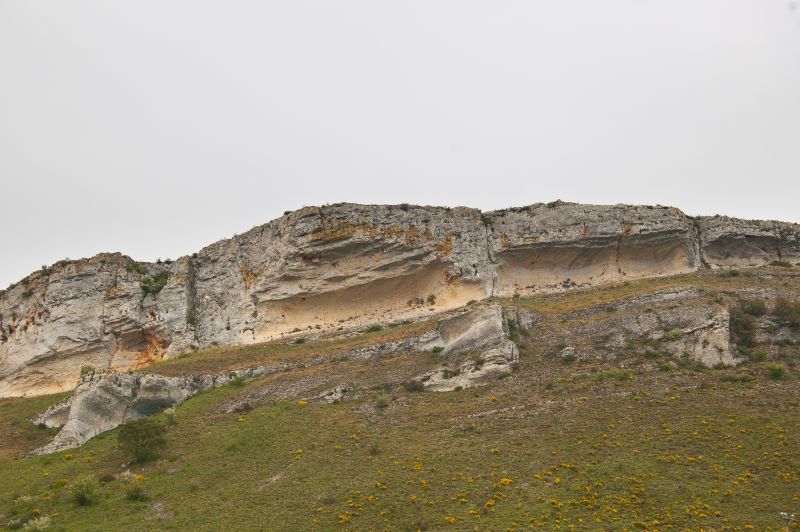
This small hamlet in Burgos that currently has a population of around 20 inhabitants and is administratively dependent on Modúbar de la Emparedada. It is located in the valley of the River Homino, at an altitude of 787 metres above sea level. The hamlet is located in an environment where the landscape is dominated by the numerous streams and brooks that emerge from the adjoining sierras. The richness of the local landscape and natural environment means there are countless hiking trails starting from the locality, allowing you to immerse yourself in the natural enclave that surrounds the municipality.
As for the history of this urban centre, it was originally part of what is known as the cuadrilla de Rojas, in the Merindad de Bureba district, and had the jurisdiction of the Crown with an ordinary mayor, as recorded in the Floridablanca Census of 1787. In 1981, the municipality was grouped with the municipality of Merindad de Río Ubierna, of which it is now a part.
Its most important architectural element is the Church of Santa Leocadia. The church is in the Romanesque style of La Bureba and was built in the late 12th century. Its side chapels, built between the 16th and 17th centuries, are also noteworthy. The church consists of a single nave divided into four bays, three of them with a groined vault and a fourth with ribbed vaulting, finished off at the chancel with a semicircular apse. Its Romanesque doorway with seven archivolts, highly decorated with geometric and vegetal elements as well as carvings on the capitals of various fantastic figures, is particularly attractive. Inside, the main altarpiece stands out, in Solomonic Baroque style from 1705 with images of San Pedro, Santa Leocadia, San Pablo and a complete Calvary, as well as the coat of arms of the chapel's founder, Juan Rodríguez.
Quintanarruz's local patron festivals take place every 29 September.