

Puntos de Interés

Infrastructure
Canal of Castile
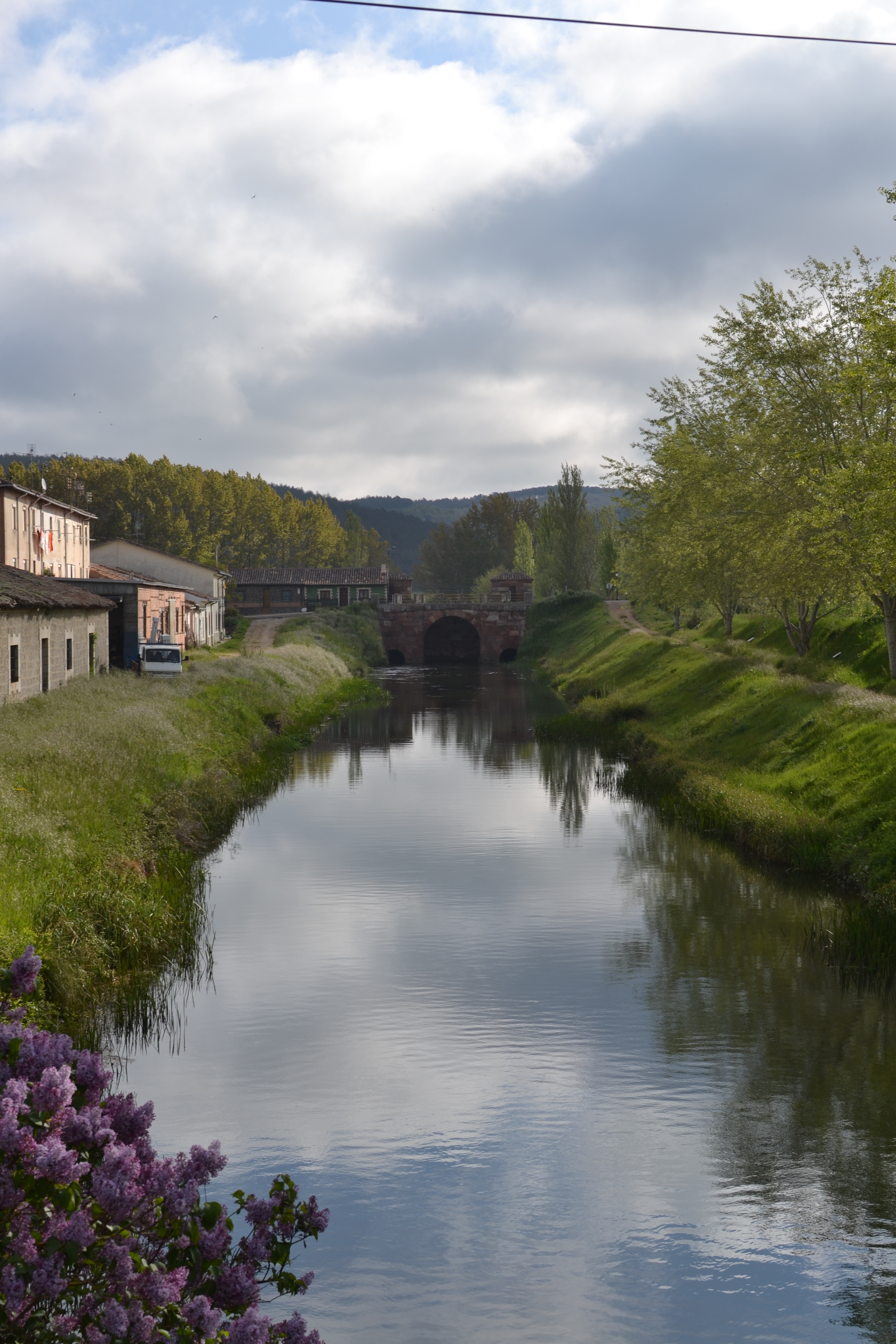
The Canal of Castile is a Site of Cultural Interest that represents one of the most important civil engineering projects of 18th-19th century Spain. It was primarily built to establish an inland waterway to solve the isolation problem that the Castilian and Leonese plateau was facing, due to the difficult terrain and poorly maintained, inadequate roads.
It runs through part of the provinces of Burgos, Palencia, and Valladolid in the Autonomous Community of Castilla y León, and for years, one of its main roles was to make it easier to transport wheat from Castile to the northern ports and, ultimately, to other markets.
Originally designed as a network of four canals that would link Segovia with Reinosa, only three branches were actually built (North, South, and Campos). The longest branch is the one that passes through the province of Palencia (the North branch).
Although it was soon rendered obsolete by the advent of the railroad, it continued to be extremely useful to use the power of the locks for mills and for irrigating crops. Ships ceased using the canal in 1959, and even though it is still mainly used for irrigating farmland, its important architectural legacy has recently been promoted as a tourist attraction.