
Parque de Olazar

Puntos de Interés

Municipality

Pelúgano
Pelúgano

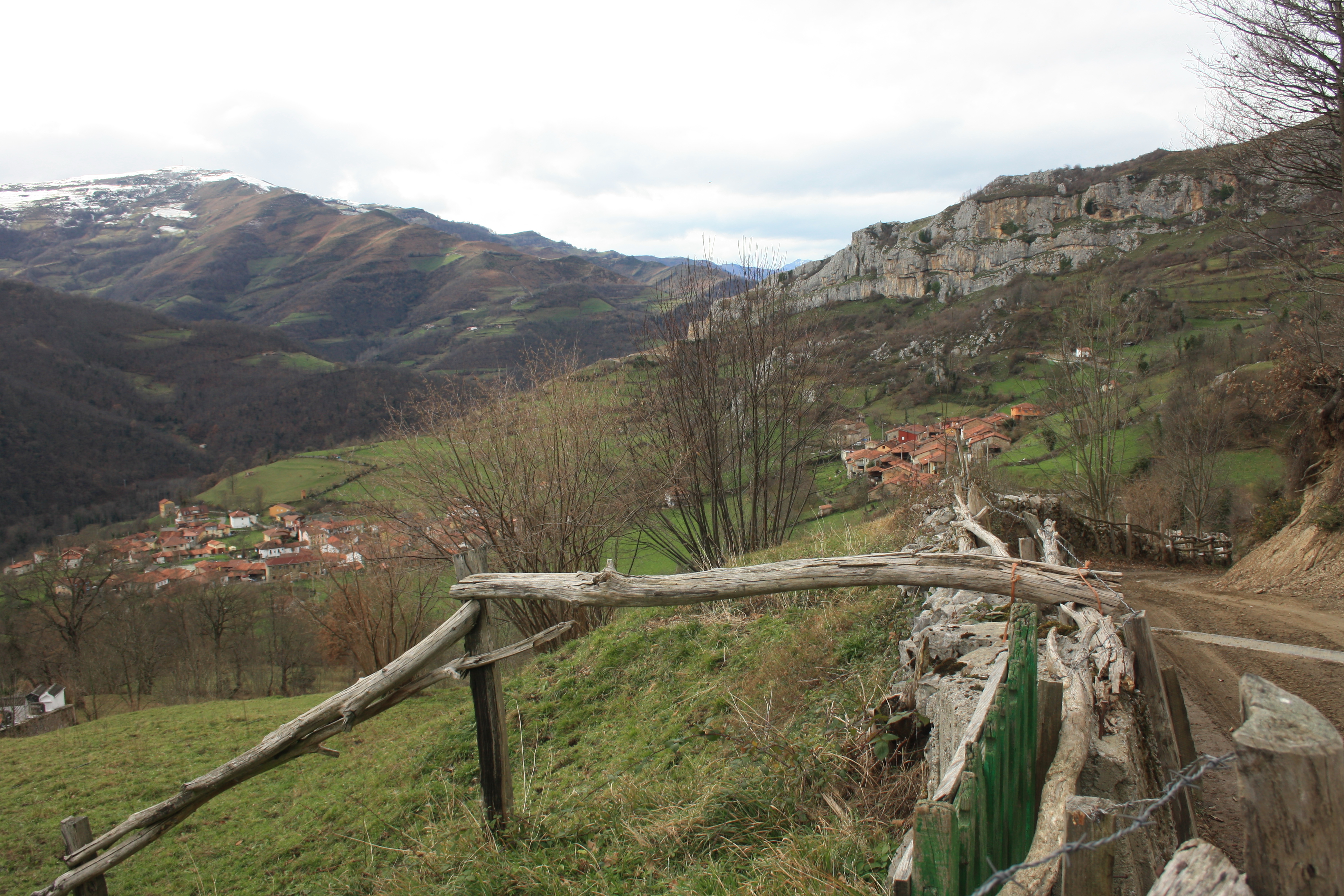
The town of Pelúgano or Pelluno is located under the watchful eye of Mea Rock, overlooking the fertile meadows that flow into the Aller River. This mountain village is located 3.3 km away from Bello or Beyo and is made up of Barrio Cima and Barrio Baxo. A candidate for the title of Exemplary Town of Asturias, it is known for its incredible surroundings, its fascinating history, and its magnificent cultural heritage.

Pelúgano has various remnants of the past, one of which is the ancient Roman road that crossed the summit of Mea Rock. It was used to transport mercury and gold to the Cantabrian coast. Prior to this there was a possible castro in the eastern part of the town, the Castro de la Felguera.

There are also interesting remains of an ancient medieval defensive tower. Its role was to monitor access to the San Isidro de Entrepeñas road and the Nalón Valley. Today, this military building is in a state of ruins beside a light pole and is covered with weeds. However, there are images from the last century that give us an idea of what it used to look like.

In Pelúgano there is the home where the mother of Queen Urraca the Asturian, Gontrodo Petri, was born. She was a descendant of a noble family, the mistress of Alfonso VII of León and the founder of the Our Lady of the Meadow Monastery in Oviedo, which later became the Oviedo Weapons Factory. The house is located in Barrio Baxu and has a tunnel that connects to a cave near Castro Rock and the tower.

Cattle and agricultural were important in this village. Proof of this are the 37 hórreos and paneras (granaries on stilts) that form the largest collection of traditional buildings in the municipality of Aller. Regionally, it is one of the ten towns with the most hórreos in Asturias. Some of these buildings are more than two centuries old and some of them still have carvings. There were also five flour mills that were located next to the Aller River which milled Asturian spelt. The flour was used to prepare panchón, a delicious dessert that is typical in Allerano.

Pelluno also has religious buildings like the Church of Santa María La Real of Pelúgano. Located in the Barrio Baxo, it was built at the end of the 17th century and rebuilt in 1843. The church reveres Our Lady of the Rosary.

In addition, in the Barrio Cima you will find the 18th century St. Peter's Chapel which venerates St. Barbara. It has a gable roof and four pitches at the front. Its bell tower has two openings with bells inside. And the paved floor is decorated with geometric shapes. Inside the church there are precious centuries-old altarpieces.

Another major draw of this town is its natural surroundings, with the "Ox's Eye" nearby and Mea Rock. In fact, there is an international climbing school at its base that was founded more than 20 years ago. Likewise, the Castro Rock is so important for the town that it is the emblem of Pelúgano and can be seen in the skyline from the town.

Pelúgano's festivities have a special flair to them with the Medieval Festival. During a weekend between May and June, the town's history is commemorated with a medieval market, entertainment, and shows inspired by the times of Urraca the Asturian, exhibitions, and fellowship meals.

In addition, the festivities in honour of St. Barbara are held on December 4 in St. Peter's Chapel with religious and festive events. It is the saint patron of the miners and that is why there is a tradition of dressing up in miner's overalls, decorating the chapel with a dark canvas that imitates a mine, and following the procession of the virgin to the rhythm of the bagpipes and drums. This festival blends its mining past with religious traditions.

Otros puntos de interés

Introducción general al uso de cookies en MAPA.gob.es

Las cookies son archivos que se pueden descargar en su equipo a través de las páginas web. Son herramientas que tienen un papel esencial para la prestación de numerosos servicios de la sociedad de la información. Entre otros, permiten a una página web almacenar y recuperar información sobre los hábitos de navegación de un usuario o de su equipo y, dependiendo de la información obtenida, se pueden utilizar para reconocer al usuario y mejorar el servicio ofrecido.

Tipos de cookies

Según quien sea la entidad que gestione el dominio desde donde se envían las cookies y trate los datos que se obtengan se pueden distinguir dos tipos: cookies propias y cookies de terceros.

Existe también una segunda clasificación según el plazo de tiempo que permanecen almacenadas en el navegador del cliente, pudiendo tratarse de cookies de sesión o cookies persistentes.

Por último, existe otra clasificación con cinco tipos de cookies según la finalidad para la que se traten los datos obtenidos: cookies técnicas, cookies de personalización, cookies de análisis, cookies publicitarias y cookies de publicidad comportamental.

Para más información a este respecto puede consultar la Guía sobre el uso de las cookies de la Agencia Española de Protección de Datos.

Cookies utilizadas en la web

El portal web del Ministerio de Agricultura, Pesca y Alimentación utiliza Google Analytics, esta es una herramienta de analítica que ayuda a los sitios web y a los propietarios de aplicaciones a entender el modo en que sus visitantes interactúan con sus propiedades. Se utilizan un conjunto de cookies para recopilar información e informar de las estadísticas de uso de los sitios web sin identificar personalmente a los visitantes de Google. Más información sobre las cookies de Google Analytics e información sobre la privacidad. Estas cookies se pueden rechazar o aceptar ya que no interfieren en el funcionamiento de la página web pero sirven de gran ayuda aportando información que posibilita un mejor y más apropiado servicio por parte de este portal.

Por último, se descarga una cookie de tipo técnico denominada cookie-compliance, propia, de tipo técnico y de sesión. Gestiona el consentimiento del usuario ante el uso de las cookies en la página web, con el objeto de recordar aquellos usuarios que las han aceptado y aquellos que no, de modo que a los primeros no se les muestre información en la parte superior de la página al respecto. Esta cookie es de obligada utilización para el funcionamiento correcto del portal.

Aceptación / Rechazo de la Política de cookies

El Ministerio de Agricultura, Pesca y Alimentación permite la aceptación o rechazo de las cookies no esenciales para el funcionamiento del portal. Para ello una vez que el usuario acceda al portal se mostrará un mensaje en la parte central con información de la política de cookies y las siguientes opciones:

  • Aceptar cookies: Si el usuario pulsa este botón, se aceptarán los cookies no obligatorias y no se volverá a visualizar este aviso al acceder a cualquier página del portal.
  • Configurar cookies: Si el usuario pulsa sobre el botón de configurar, se accederá a una segunda ventana modal donde se podrá configurar que cookies aceptar. Esta segunda ventana explica las cookies utilizadas en la actualidad y permite la selección o rechazo de las cookies no obligatorias. Una vez finalizada la selección se deberá presionar al botón Guardar configuración.

Cómo modificar la configuración de las cookies

Usted puede restringir, bloquear o borrar las cookies del Ministerio de Agricultura, Pesca y Alimentación o cualquier otra página web, utilizando su navegador. En cada navegador la operativa es diferente, la función de "Ayuda" le mostrará cómo hacerlo.