


Puntos de Interés

Hydrography
Arroyo de los Cabrones
The eastern boundary of Pereña de la Ribera is defined by the presence of a substantial valley. The hill in question is the result of erosion caused by the waters of the Arroyo de los Cabrones, which flows for approximately 3.5 km in a north-easterly direction until it joins the Duero River.
Along its relatively short course, several small tributaries contribute to the Arroyo de los Cabrones, which flows rapidly towards the sea. These include the Regato de los Rosales and the Arroyo de Aguasalbas, which are located on the banks of the final stretch of the main riverbed.
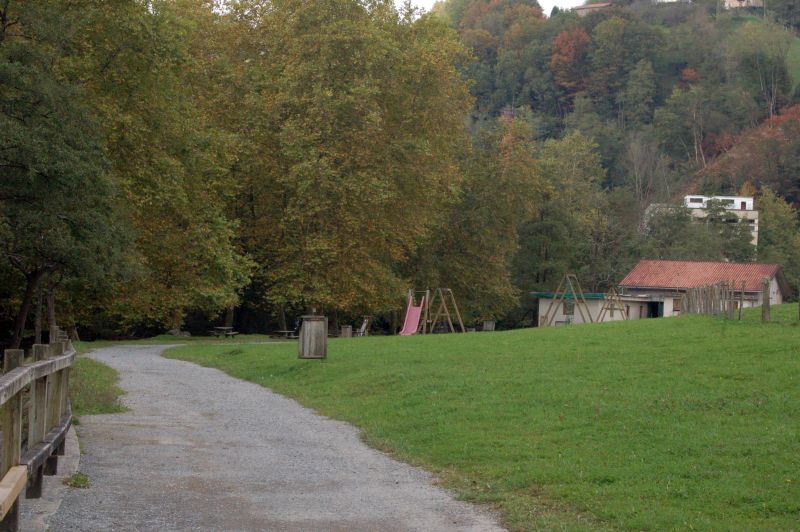
The Arroyo de los Cabrones is in a state of robust health, with a consistent flow of water throughout the year. It traverses a distinctive landscape, with a gradient of approximately 300 metres from its source to its outlet. The local population historically accessed the Duero River by following the course of the stream. This is evidenced by the presence of an elevated path, enclosed by low stone walls, from which one can access several farms and viewpoints. The distinctive green hue of this area contrasts markedly with the surrounding agricultural landscape, where cereal crops are prevalent. Here, the scrubland is dominated by broom (Cytisus scoparius) and prickly rockrose (Cistus ladanifer), while at the valley's base, the high humidity and consistent water availability have fostered the growth of plant species typically associated with the Cantabrian coast, rather than the Mediterranean climate typical of the southwestern region of Castile-León. The high levels of humidity and the consistent supply of water have enabled several plant species typically found on the Cantabrian coast to flourish, including leafy oaks (Quercus pyrenaica) and chestnut trees (Castanea sativa) covered with a variety of lichens, which can be observed growing along the riverbanks.
The Celtic peoples, including the Vetons, who settled in the area, had a profound affinity with the chestnut tree. Indeed, this species was held in high regard by numerous pre-Roman cultures, as it symbolised honesty and the autumn season. From these specimens, the chestnut fruit was obtained, which was used to produce flour to make bread and sweets. This was done to compensate for the lack of wheat in Las Arribes. Furthermore, even in the present day, in numerous traditional residences situated near these wooded strongholds, such as the Arroyo de los Cabrones, chestnut wood is still employed in the fabrication of beams and joinery, capitalising on its considerable hardness and resilience.