

Puntos de Interés

Municipality
Poblado de la Rachita
While to the east of Villarino, the village of Santa Catalina was constructed to accommodate the workers and labourers employed in the construction of the Almendra dam and the Villarino hydroelectric power station, in the area known as La Rachita, to the west of the village, another settlement was established to house the "commanders" in charge of the project, namely the engineers, technicians and their families.
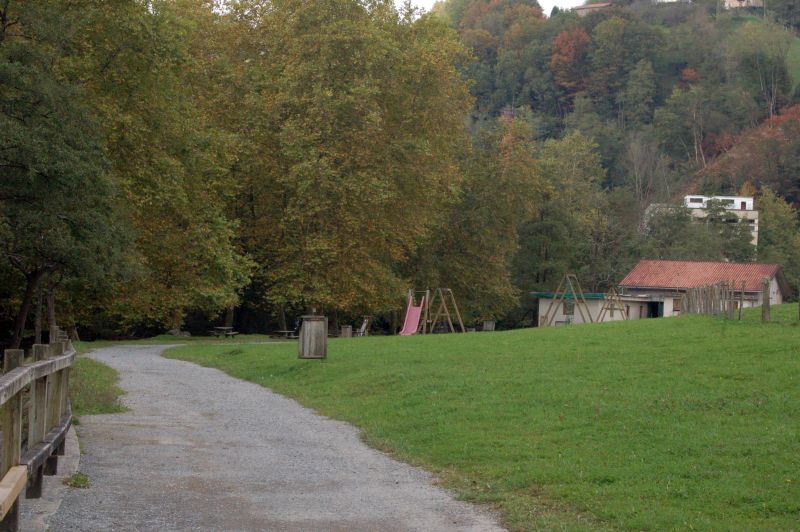
The construction of the houses on the south side of the hill of La Rachita, which were built between the 1960s and 1970s, was intended for the most qualified workers that Iberduero, today, Iberdrola, would retain permanently in these energy installations of the Saltos del Duero. To attract the most talented professionals in their field, a development of landscaped villas was constructed, featuring some unusual luxuries for the time, such as community swimming pools.
Additionally, a hotel was built for the use of staff whose stays were expected to be relatively brief. However, for many, the most significant and unanticipated aspect of La Rachita was and continues to be its views.
From the perspective of the village, one can become absorbed in the vastness of the landscape that the Duero has created in this stretch of the river, where it meets the river Tormes. Regardless of the time of year, each season in this region of western Salamanca possesses a distinctive allure for those who visit. Directly opposite, on the other side of the Duero, lies Portugal and, on both sides, vegetation covers the vastness, dotted with old terraces where there are still olive trees (Olea europaea), almond trees (Prunus dulcis) and vines (Vitis vinifera). In the lower reaches of the river, barbel (Luciobarbus bocagei), bogue (Pseudochondrostoma duriense) and carp (Cyprinus carpio) constitute a substantial food source for birds of prey that patrol the river course from a more advantageous vantage point than that of the viewpoints in this part of Villarino de los Aires.
The village, which continues to be owned by Iberdrola, has been transformed in recent years into a language immersion centre for young people. This initiative represents a clear commitment on the part of the energy company to the territories where it operates. These educational institutions espouse the value of summer learning in a setting that is both conducive to such pursuits and protected by the Arribes del Duero Natural Park. Moreover, adventurers and other hikers seeking the tranquility of the region contribute to the vitality of the village by residing in the renovated homes of retired workers, thereby capitalising on the company's income from the rental of rural tourist properties.