

Puntos de Interés

Municipality
Fornillos de Fermoselle
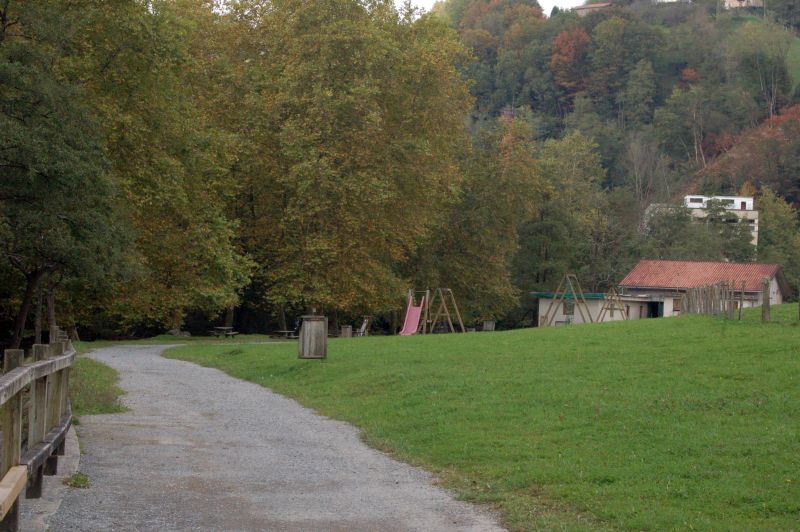
The Fornillos de Fernoselle is situated within the Arribes de Duero Natural Park, approximately 9 km from Fermoselle. It is a village with a surprisingly lush cork oak forest, old pottery factories, potters' kilns, etc.
The area has been inhabited since prehistoric times, with evidence of this period's occupation still visible in the region. However, there is a paucity of information about this period. The site, which is located to the southwest of the town, was occupied during the Roman period. It comprises a group of ceramic remains. In addition to the Roman site, the Roman road network of Sayago crossed near the locality. Nevertheless, the establishment of Fornillos as a permanent settlement began to take shape during the Middle Ages, when it became part of the Kingdom of León. This was the period during which a repopulation occurred, and it was also the time when the first written reference to it was made in the 13th century.
The most significant ethnographic and cultural heritage of Fornillos de Fernoselle is its pottery, which is reflected in the town's name. Given the abundance of granite in the region, clay was a scarce resource, and therefore a highly prized commodity in this area near the Duero. Since the earliest periods of recorded history, clay has been used to produce a vast array of useful objects, including pottery, tiles, jugs, and bricks. This lasted until 1963, the year in which the final potter from Fermoselle ceased production. Today, one may visit the Rieta la Encina pottery, which is situated in a kiln and pit where clay was extracted.
Other noteworthy remains of the village of Zamora's historical activity are a colt on which generations of artisans have crafted ploughs from branches of negrillo, elm, and poplar trees. The foal, as a living witness to agricultural activity, presents a particularly intriguing mechanism. A branch that was still green was placed in the granite mould, moulded, dried and hardened. The branch would be prepared for integration with the other components that constitute a plough.
The Fornillese were engaged in quarrying and iron mining. A consequence of this is the architectural legacy of the area, exemplified by the fountains from which the villagers used to draw water, which were crafted from carefully selected granite masonry.
Today, Fornillos is a community that is characterised by an entrepreneurial spirit and a rural way of life. The inhabitants of the region produce wines, jams, local products, have positioned themselves in the tourism sector and practice traditional livestock farming. The area serves as a refuge for the indigenous breeds of Zamora, including the Zamora-León donkeys and the remarkable cork oaks. These trees stand out from the surrounding vegetation due to their unique adaptation to the clayey substrate on which they thrive.
Its patron saint festivities are dedicated to the Heart of Jesus between 20 and 22 June.