

Puntos de Interés

Municipality
Covaleda
The municipality of Covaleda, located in the foothills of the Sierra de Urbión and the Sierra de Resomo, is situated in the province of Soria.
Some historians believe that the town originated in the Bronze Age. However, later inhabitants were tribes of Celtiberian and Duracan origin who resisted Roman conquest. Moreover, the fact that the Covaledenses are also known as "Bretons" lends further support to the theory that the Breton peoples made the foundation of the town.
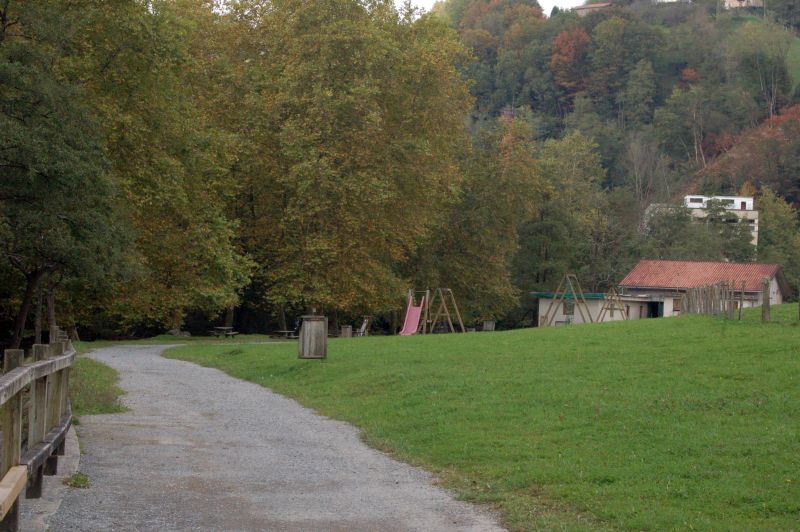
The municipality is situated in an area of outstanding natural beauty, with the river Duero providing a rich source of water. The extensive stands of European red pine are a particular feature of the area. The wood processing industry represents the foundation of Covaleda's economy.
The town's natural surroundings are safeguarded by several protected areas, including the Sites of Community Interest of Riberas del Río Duero and tributaries, as well as Sierras de Urbión and Cebollera. Additionally, the Special Protection Area for Birds of the Sierra de Urbión, covering 2,257 ha, plays a crucial role in the protection of the area's biodiversity. The area also boasts several glacial lakes, including Larga, La Helada and El Hornillo, as well as the peak of Urbión, which is one of the region's most significant natural attractions.
The architectural heritage of Covaleda includes the late Gothic church of San Quirico y Santa Julita, constructed in the 17th century. Another notable temple is the chapel of the Virgen del Campo, which is owned by the Benedictine monks of Oña and was constructed between the 7th and 18th centuries. The area boasts two bridges of architectural merit, both of which have been designated as Sites of Cultural Interest: the bridge of Santo Domingo and the bridge of Soria.
As a matter of interest, we would like to draw your attention to the commonly known as "Sierras de Agua". Some also refer to them as "vertical saws". A set of waterworks that have been converted into timber mills, powered by the force of water from nearby rivers and bodies of water.
The local population of the village celebrates the feast day of their patron saint, San Lorenzo, in August. Furthermore, the celebrations of San Quirico and Santa Julita take place in mid-June.