

Puntos de Interés

Culture
Valencia de Don Juan Castle
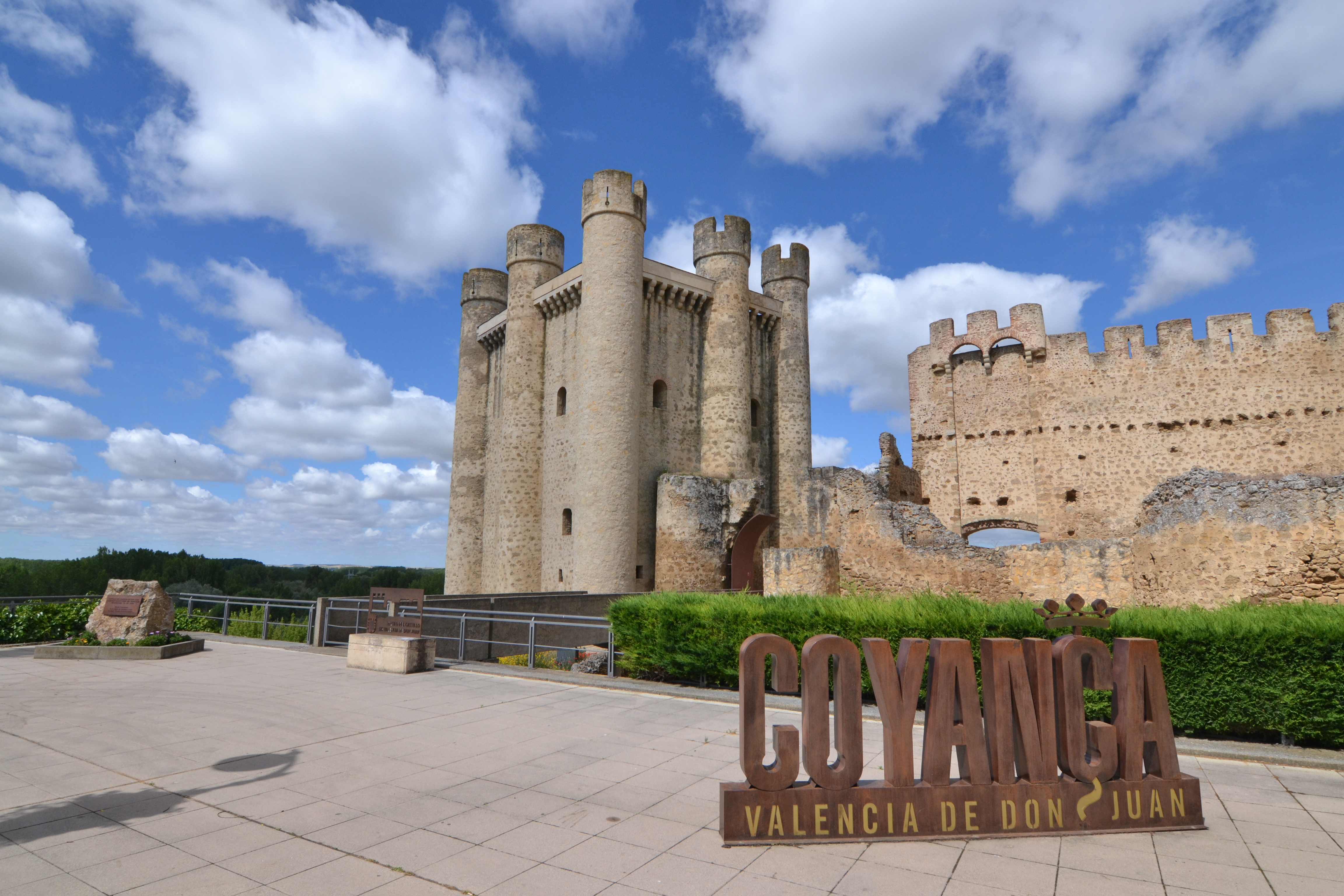
Valencia de Don Juan Castle, also known as Coyanza Castle, is the town’s most iconic monument and one of the best-preserved Gothic military fortresses in the north-west of the Iberian Peninsula. It stands on a small hillock beside the River Esla, occupying a strategic location that has been inhabited since the Bronze Age, through the Iron Age and Roman times. Over the centuries, this enclave played an important role in defence and in controlling communications between the kingdoms of León and Castile.
Although there were earlier fortifications, the present-day castle was built during the second half of the 15th century by the powerful Acuña family, the Counts of Valencia de Don Juan. Its design reflects the innovations in military architecture of the period, adapted for use with artillery. The complex was protected by a wide moat and a sturdy barbican, while its thick walls of brick, stone and rammed earth reinforced its defensive capabilities.
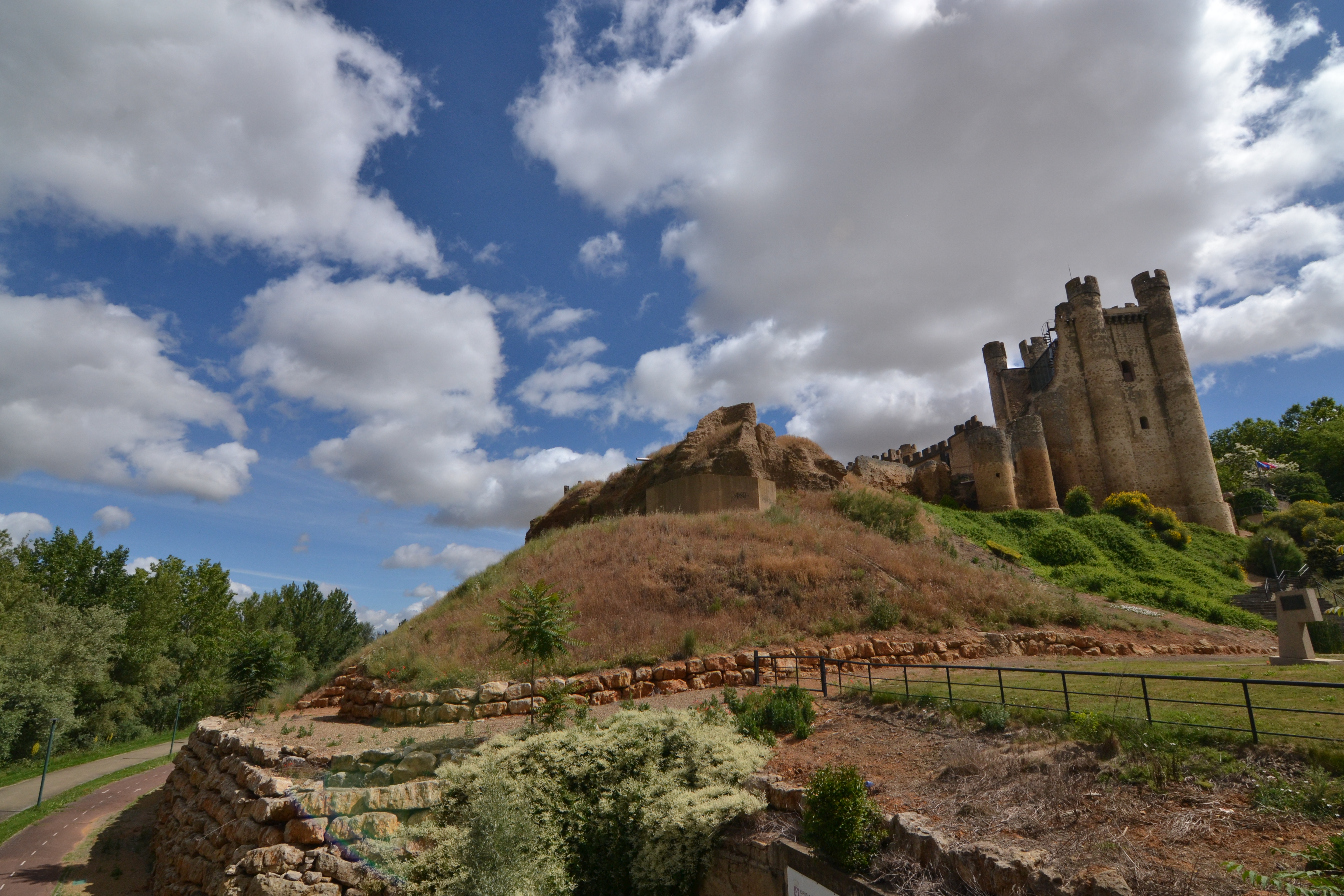
The most striking feature is the keep, which has a square floor plan and rises nearly 30 metres high; from the top, there are magnificent views over the Esla valley. Several cylindrical towers, sections of the ramparts and part of the parade ground have also been preserved, giving an appreciation of the original grandeur of the fortress. Inside the tower is the Castle Museum, which traces the history of Valencia de Don Juan, the castle itself and the Acuña family through archaeological finds, coins, pottery, coats of arms and other objects recovered during the excavations.
Throughout its history, the castle was the scene of numerous military conflicts and fell into gradual disrepair from the 16th century onwards. Designated a Historic-Artistic Monument in 1931, it has undergone a number of restoration projects which have seen it regain some of its former splendour. A little-known fact is that an inverted image of the castle served as the inspiration for the depiction of Camelot in the film "Monty Python and the Holy Grail" (1975).