


Net of Nature
Trails

Stage 3: Martos Station – Vado-Jaén Station







Description
The immensity of the olive trees
This stage of the Olive Oil Greenway Nature Trail links the railway stations of Martos and Vado-Jaén, following the historic route of the "Olive Oil Train". Along the route, you will enter the immensity of the landscape of Jaén: an authentic sea of olive trees only interrupted by the great viaducts of the old railway line.
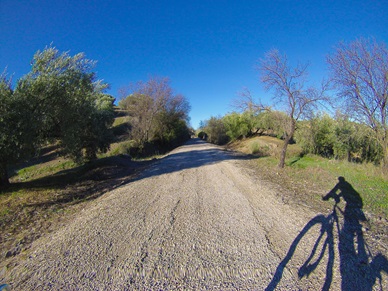
The third stage of the Olive Oil Greenway Nature Trail begins at the old train station in Martos, at the end of the Greenway avenue. From there, the route goes straight ahead along the centre of the avenue until it leaves the municipality behind, along the Cajón tunnel, which allows to cross under the A-316 motorway.
The route continues winding around wide bends surrounded by olive groves. Without turning off at any of the crossings, you reach the Pasarela del Chinche footbridge, which crosses the A-316 road again, offering a beautiful panoramic view of the countryside.
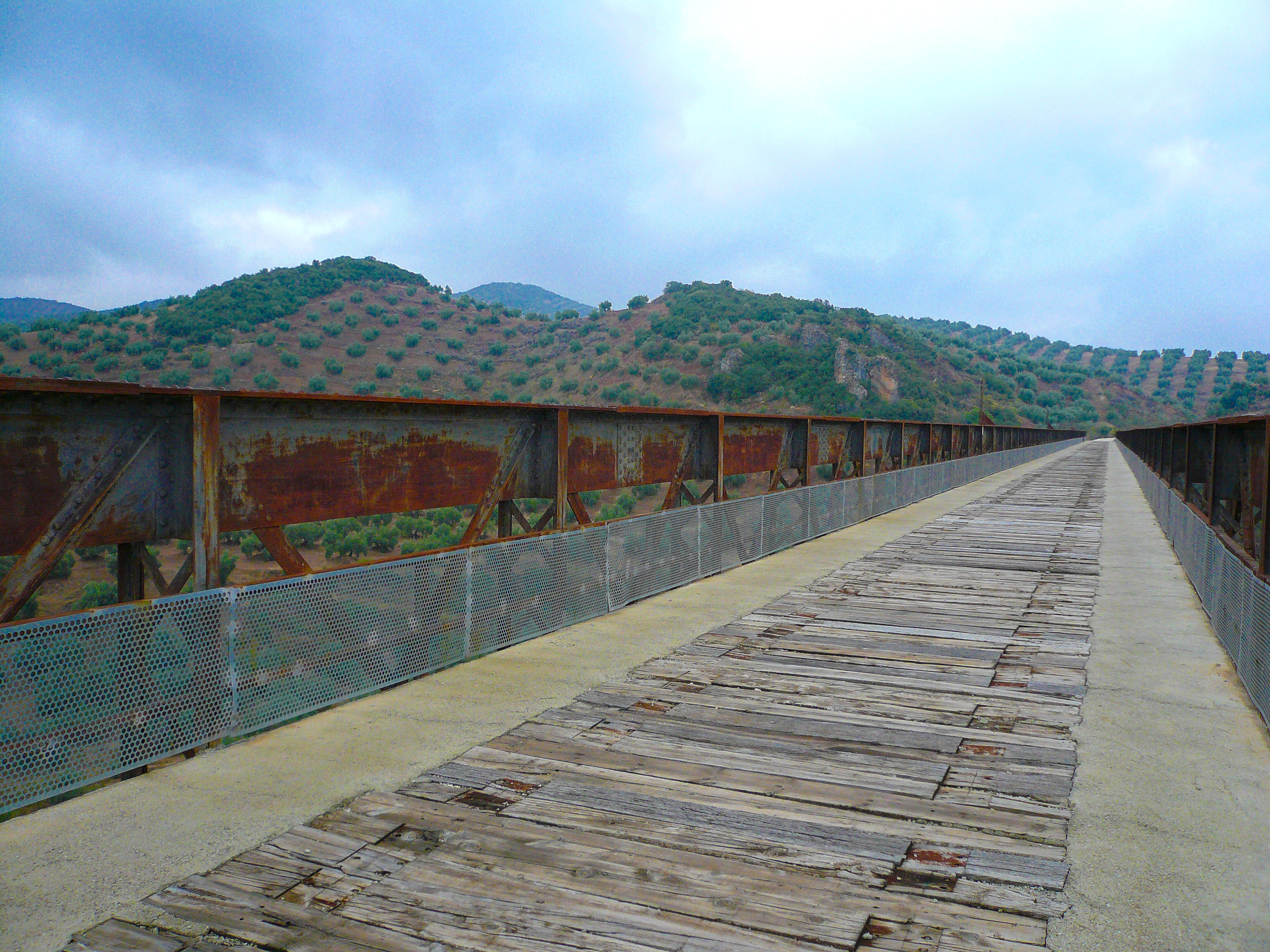
The first, more than 200 m long and 50 m high, rises above the valley of the Salado stream, which, although it usually has a low flow, can be wild in winter. The second, smaller viaduct is 133 m long and 20 m high, but retains the same industrial charm. Both buildings were designed at the end of the 19th century by the French engineers Daydé and Pillé, disciples of Eiffel. Its structure combines the iron of the railway beams with limestone pillars and has been adapted for pedestrian use by reusing the railway beams for the floor.
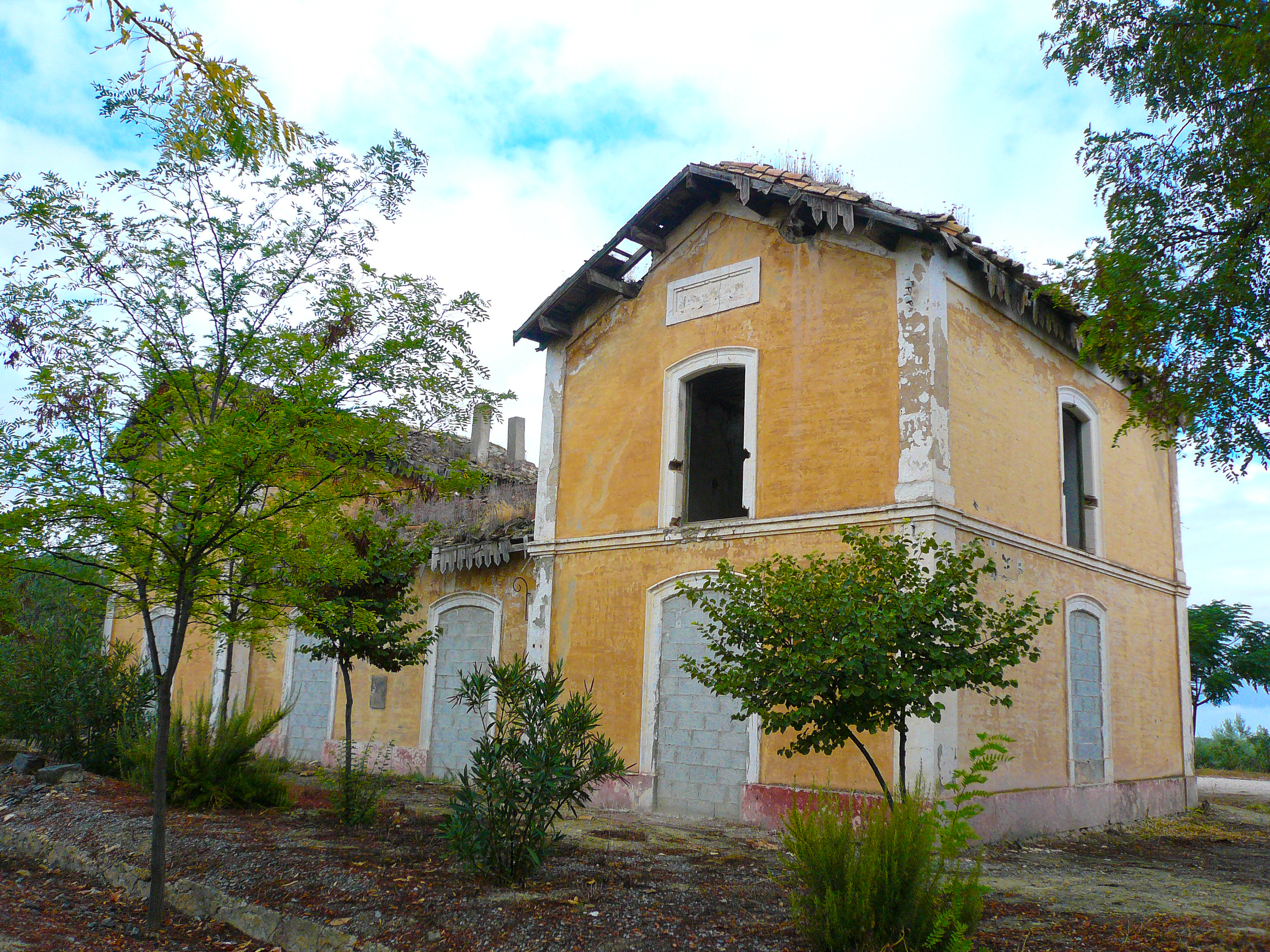
The route ends at the old Vado-Jaén railway station, where a rest area invites to take a break. This station, 7 km away from the nearest population centres, was in the past a strategic point in the management of freight train crossings on the Puente Genil-Linares line until it was closed at the end of 1984.
The subsequent section is still easy to follow, staying on the wide, asphalted road until you reach two of the most impressive structures on the road: the Arroyo Salado viaduct and the Arroyo del Higueral viaduct.
Management entities
Sites of interest
Puntos de interés
Infrastructure
- Estación de Vado - Jaén
- Viaducto del Arroyo del Salado
- Viaducto del Arroyo del Higueral
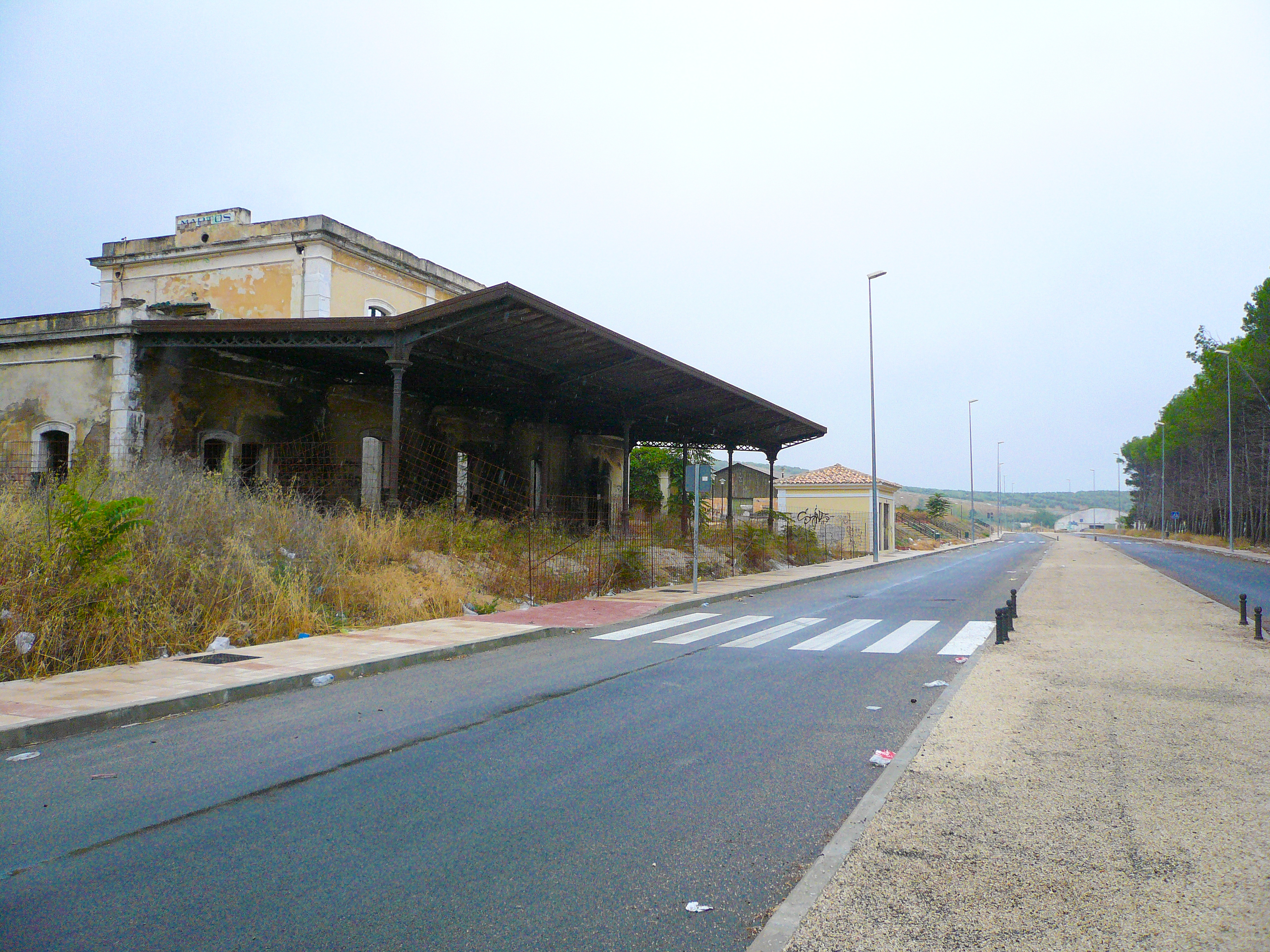
- Estación de Martos
Hostel
Profile
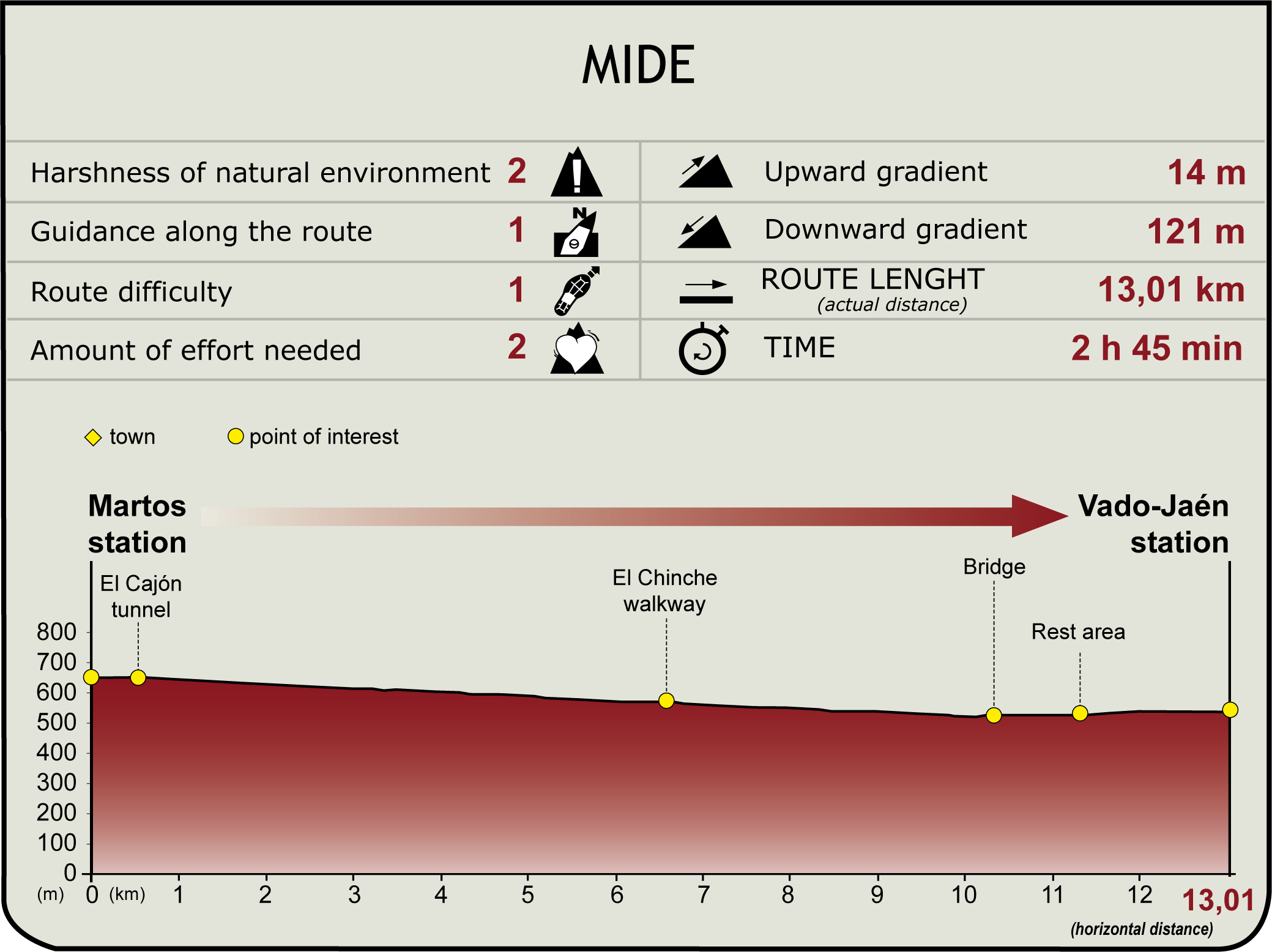
 Harshness of natural environment
- 1. The environment is not risk-free
- 2. There are more than one risk factors
- 3. There are various risk factors
- 4. There are quite a lot of risk factors
- 5. There are many risk factors
 Guidance along the route
- 1. Well defined trails and crossings
- 2. There is a clearly marked trail and signage
- 3. Requires the identification of geographic features and cardinal points
- 4. Requires off-path navigation
- 5. The trail is interrupted by obstacles that have to be gone around
 Route difficulty
- 1. Walking on a flat surface
- 2. Trails with different types of path
- 3. Walking on stepped paths or irregular terrain
- 4. The use of hands or jumping over the terrain is necessary
- 5. The use of hands is required to progress
 Amount of effort needed
- 1. Up to 1 hour of continuous walking
- 2. Between 1 and 3 hours of continuous walking
- 3. Between 3 and 6 hours of continuous walking
- 4. Between 6 and 10 hours of actual walking
- 5. More than 10 hours of continuous walking
(Calculated according to the MIDE criteria for an average excursionist with a light load)
Highlights
Further information
Martos Railway Station
The old Martos station, built at the end of the 19th century by the Andalusian Railway Company (Compañía de los Ferrocarriles Andaluces), was located at kilometre point 96.444 of the railway line. It entered service in 1893 as part of the Linares-Campo Real railway line, popularly known as the "Olive Oil Train".
The two-storey building was notable for its façade with a metal canopy resting on iron columns decorated with beautiful palm tree details on the capitals. The ground floor housed offices and waiting rooms; the upper floor housed the station manager's living quarters. Its walls were painted in cream, with white door and window frames and green woodwork, a very characteristic detail of Andalusian railway architecture.
A small village grew up around the station, with an economy based on the production of olive oil. For this reason, between 1954 and 1955, the National Olive Union built a temporary warehouse and logistic centre next to the station with a capacity of 5000 tonnes of olive oil.
Although this building is today in disuse, the Martos Town Council is working on an ambitious rehabilitation project to recover the station and repurpose it for tourism uses, taking advantage of the fact that sits right on the Olive Oil Greenway Nature Trail.
Vado - Jaén Railway Station
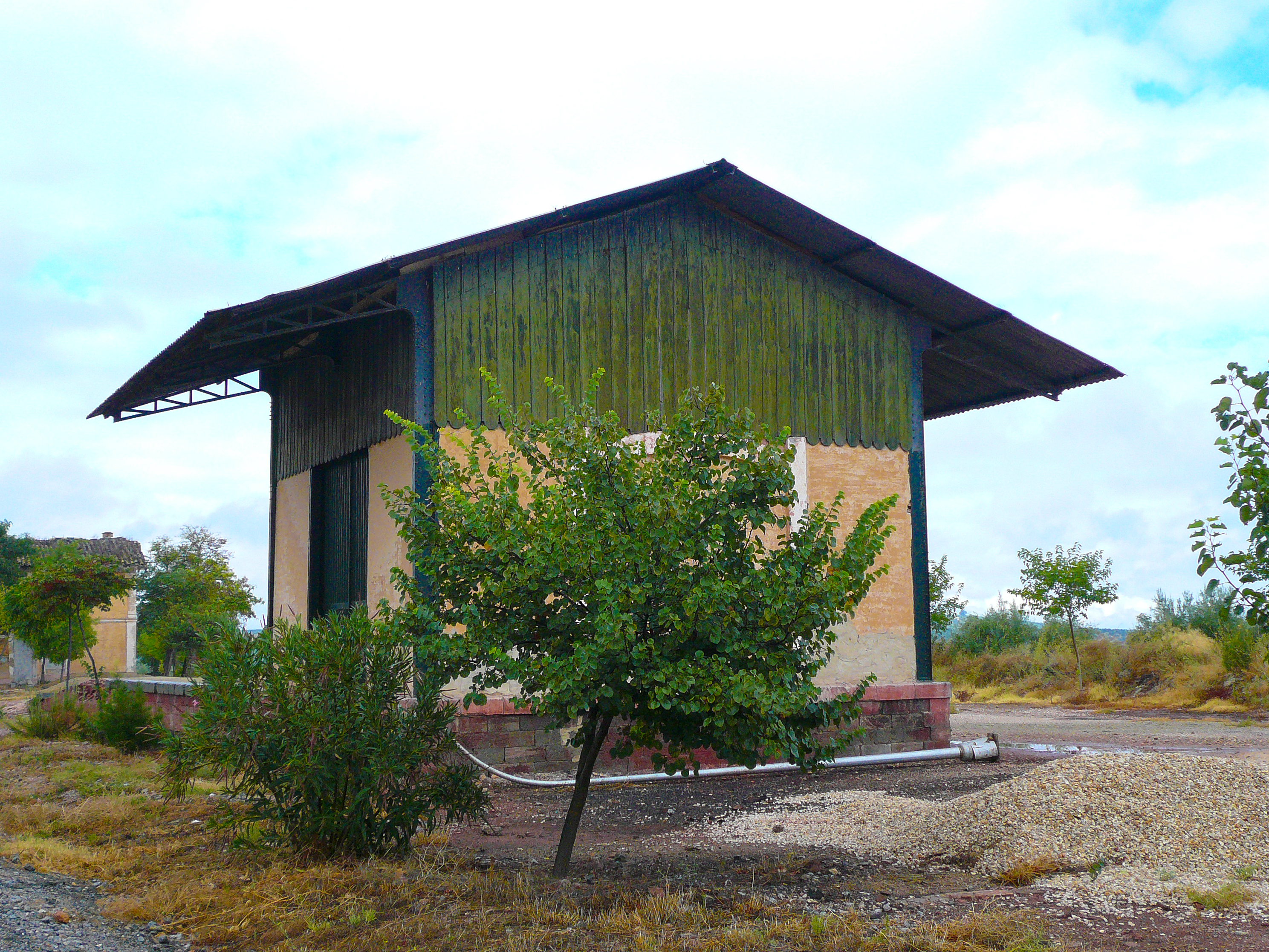
Also built by the Andalusian Railway Company, the Vado-Jaén station dates from 1891 and was the tenth stop on the Oil Train. Its design is very similar to that of other stations on the route, such as Torredelcampo, with a passenger building, loading bay and sidings for freight.
Its interesting location, isolated among the olive groves and far from any town, was no coincidence: its main function was to regulate train and freight traffic, a mission it fulfilled until the line was closed in 1984.
It is currently located in an area fitted out as a recreational and rest area and in the surrounding area, in addition to various ornamental trees, you can see the Loma de las Pilas farmstead, the course of the Salado creek and the landscape of large extensions of olive trees that are characteristic of the area.
Multimedia





Downloads

GPS Downloads


Documents

Cyclability
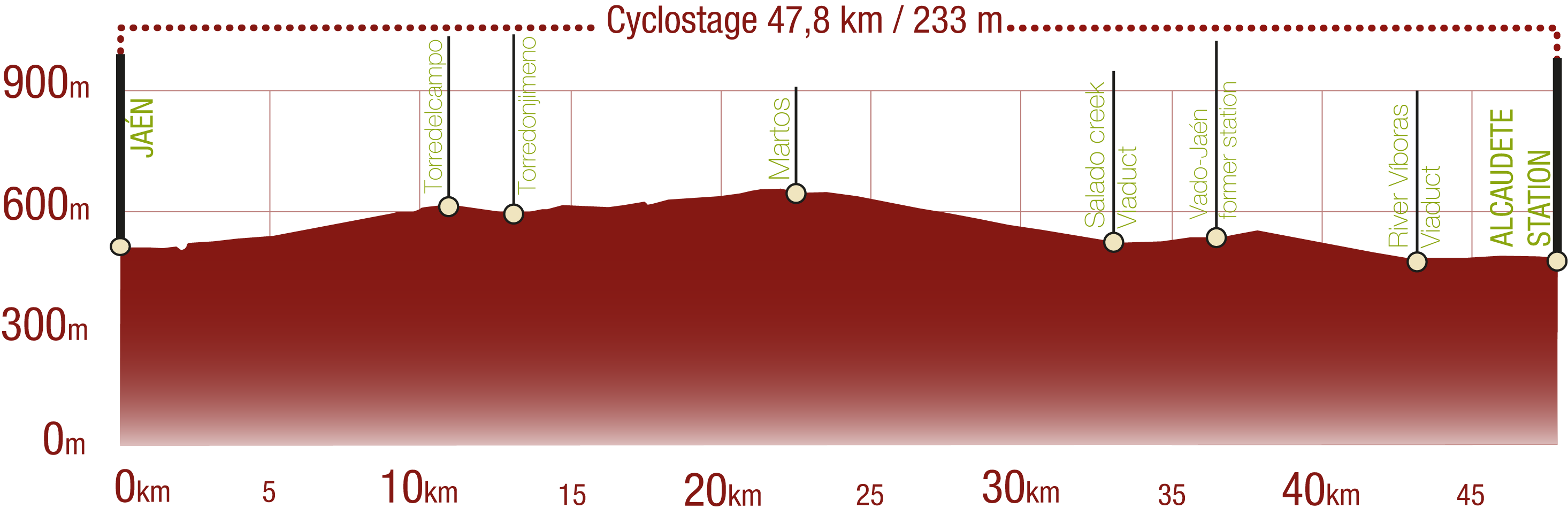
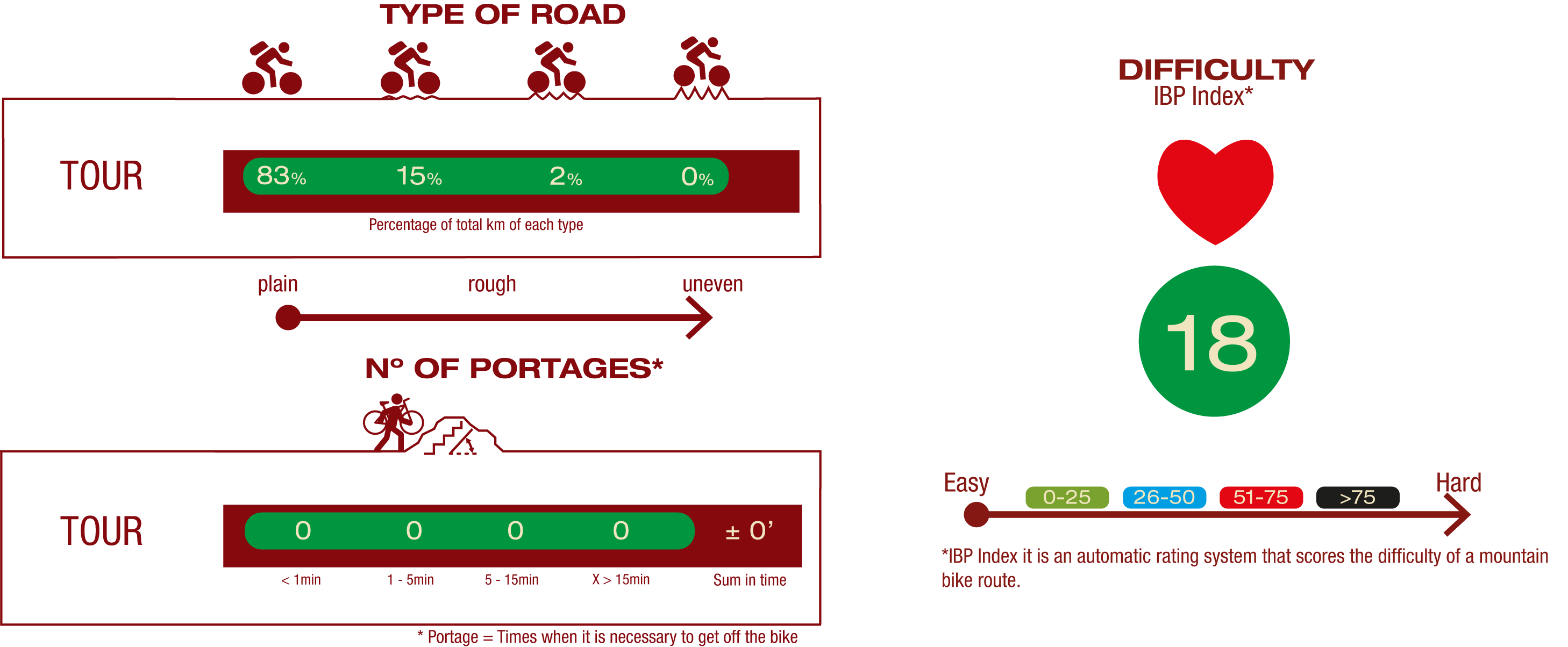
This cycling stage corresponds to the section between Jaén and Alcaudete Station
PROFILE
TYPE OF ROADS, PORTAGES & DIFFICULTY
TEST

GENERAL RECOMMENDATIONS
- Find out about the technical aspects of the route and the weather on the day.
- Take care of the environment. Take care not to disturb animals or damage vegetation. Respect private areas.
- You must give priority to pedestrians and comply with general traffic rules.
- The environment in which you will be riding is open, free to move around and an area where many activities are carried out (sporting, forestry, livestock and agricultural activities).
- Always have an understanding, prudent, responsible and respectful attitude.