

Puntos de Interés

Municipality
San Pedro
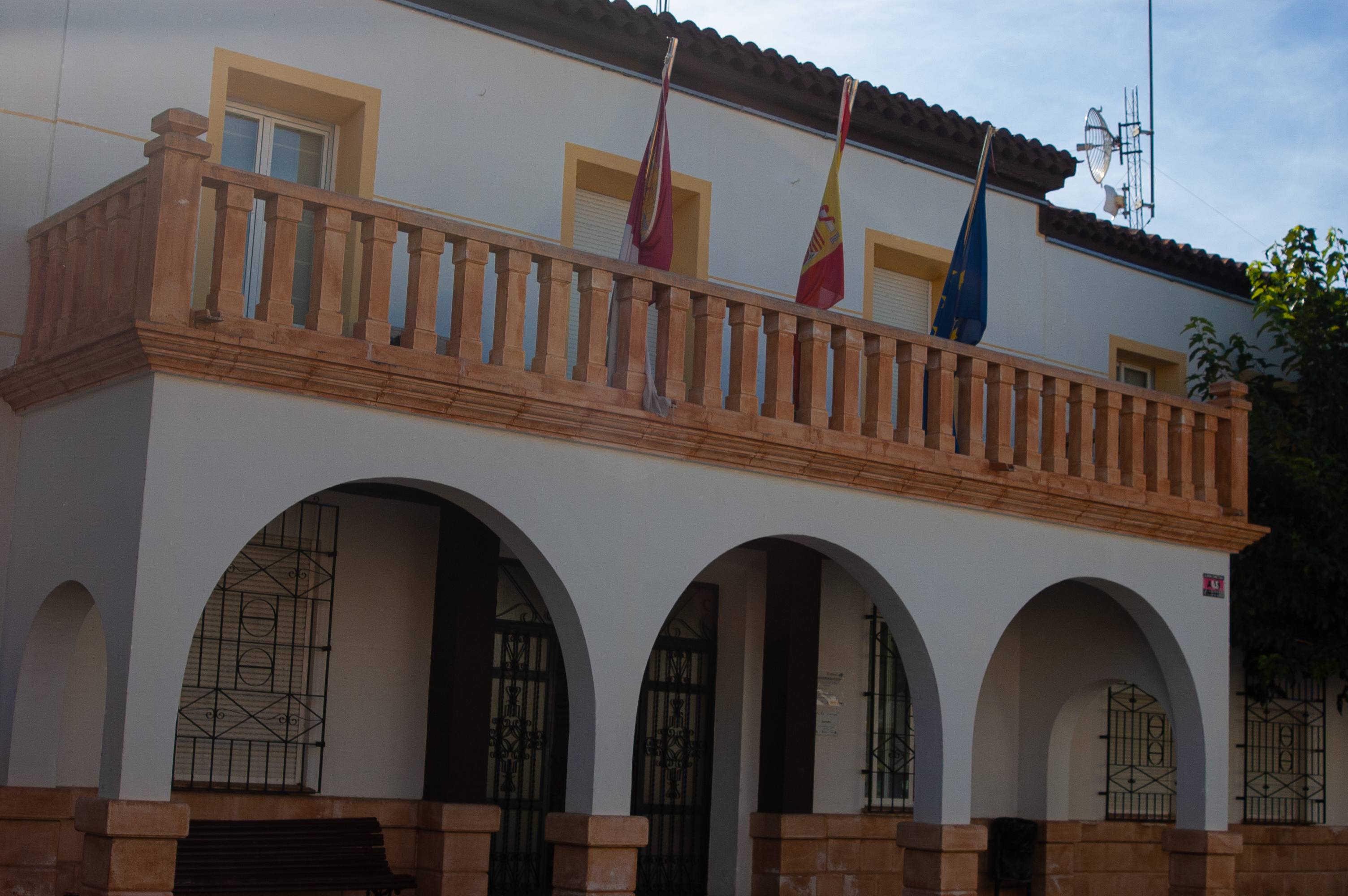
San Pedro is a small municipality in the province of Albacete, in the heart of the Sierra de Alcaraz and Campo de Montiel. It is located some 35 km from the provincial capital at an altitude of more than 830 metres above sea level, surrounded by cereal fields, olive groves and scrubland. Its municipal area covers about 83 km² and has a population of 1,185 inhabitants.
The River Quéjola flows through the landscape, shaping fertile meadows and ancient ravines where for centuries transhumant herds used to graze. The village developed around this agricultural activity during the 19th century, when agriculture and working the land marked the daily life of inhabitants.
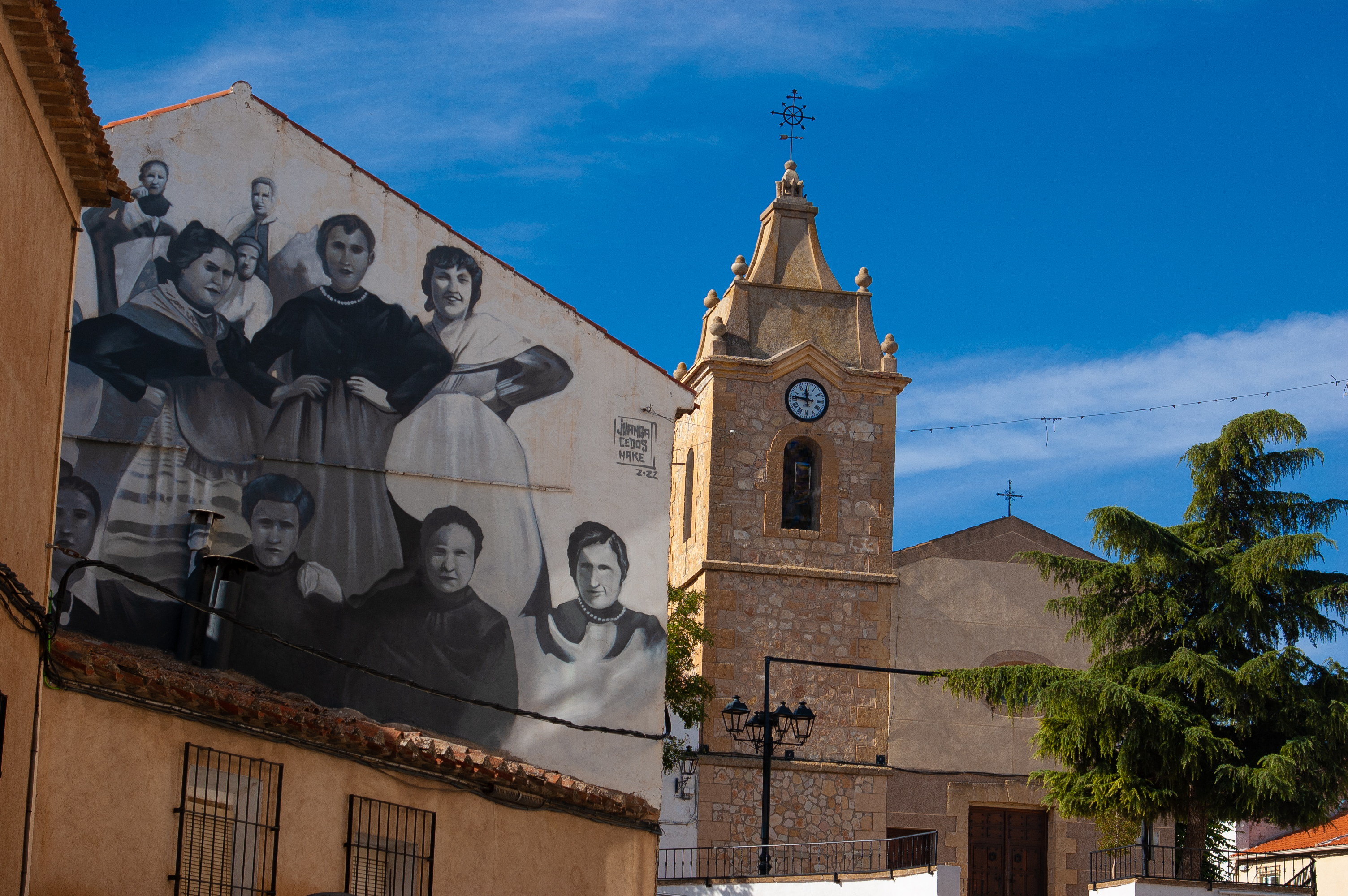
Among the municipality's heritage assets is the parish church of San Pedro Apóstol, whose bell tower was completed in 1846. Also worth a visit is La Fuente, a small spring that irrigates the municipality's fertile plain and offers a cool place to rest. On the outskirts you can also see the traditional cave-houses of nearby hamlets like Cuevas del Molino de las Dos Piedras, which make up a minor architectural heritage linked to the rural environment.
One of the most recent attractions is the route of the murals, inaugurated in 2020 thanks to the Albacete artist Juanga Cedos, who has filled the streets with colour and creativity, connecting past and present through urban art.
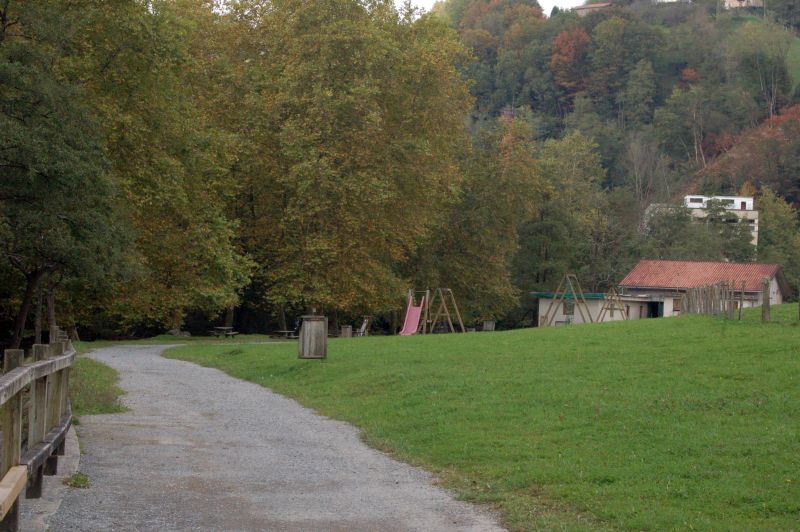
The natural environment of San Pedro combines scrubland, meadows and riverside areas, with the valley of the River Quéjola as the axis of the landscape, making it a popular destination for visitors in search of nature and tranquillity.
The local economy still revolves around the cultivation of cereals and olives, and, to a lesser extent, livestock farming. Its proximity to the capital of Albacete facilitates its connection with regional services and markets, although it maintains its character as a quintessentially rural municipality.
The social life of San Pedro revolves around the local festivals, including the patron saint festivities in honour of St Peter himself on 29 June and the Virgen del Pilar on 12 October, which bring together locals and visitors alike in a festive atmosphere where the protagonists are local gastronomy and tradition. It is known for its local cuisine, with snails a particular delicacy closely linked to local identity.